
 Save
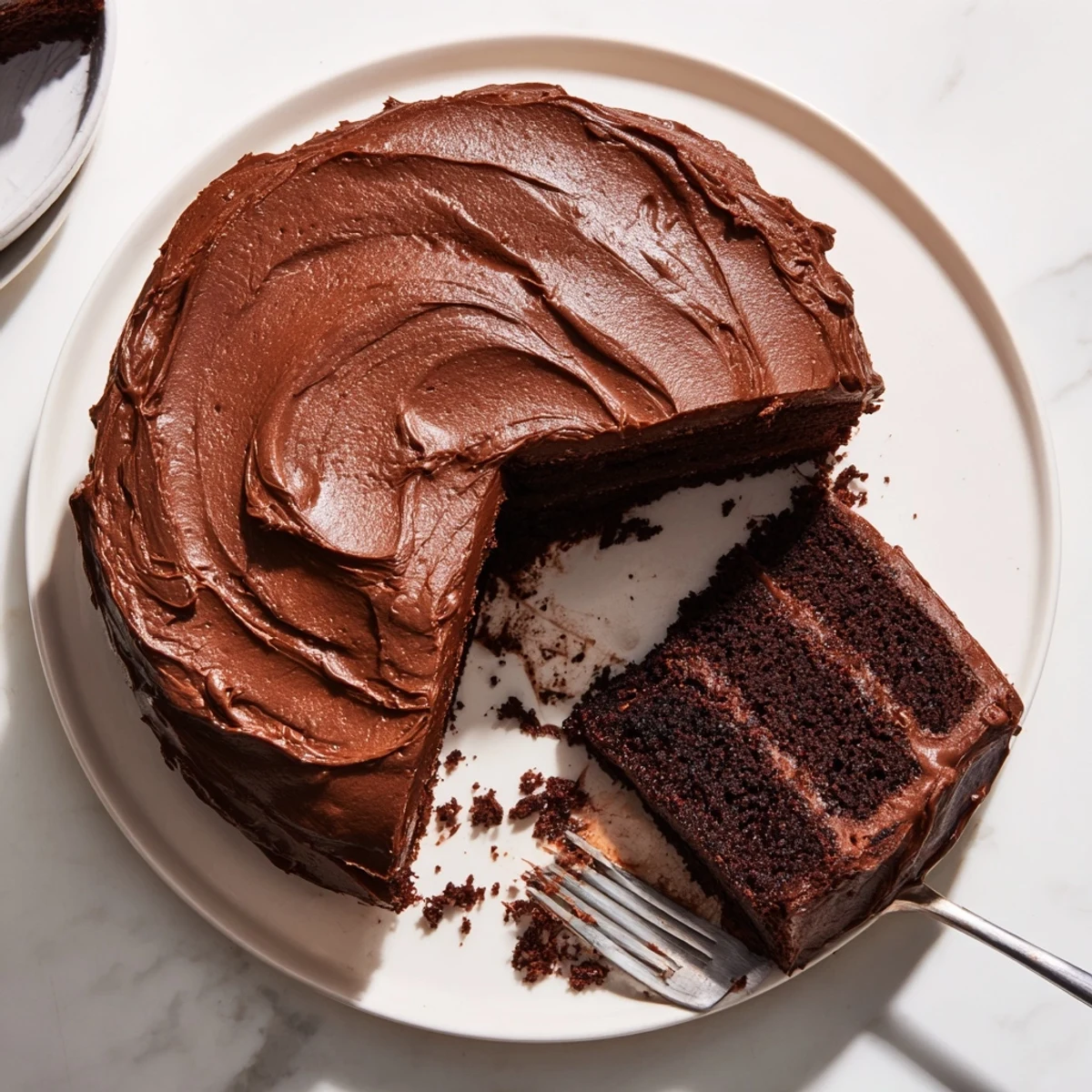
Save This classic chocolate cake delivers deep cocoa flavor in every bite. The layers are incredibly moist, thanks to a unique technique incorporating boiling water into the batter. After baking to tender perfection, the cakes are cooled and then smothered in a velvety chocolate buttercream frosting that's light yet indulgently rich. The entire process takes about an hour from start to finish, yielding twelve generous servings. For maximum moisture, try brushing the cooled layers with simple syrup before frosting, or enhance the chocolate depth by adding a touch of espresso powder to the batter.
My grandmother kept a worn index card in her recipe box for chocolate cake, stained with decades of cocoa fingerprints and butter smudges. The first time I made this version, my kitchen filled with such an intense chocolate aroma that my neighbor actually knocked on the door to ask what I was baking. Now it is the cake I turn to for birthdays, bad days, and Tuesday afternoons when chocolate becomes a necessity rather than a choice.
Last summer I made three of these cakes in one week for various reasons, and each time someone asked for the recipe. Something about a homemade chocolate cake makes people assume you spent hours when really the batter comes together in minutes.
Ingredients
- 2 cups all purpose flour: Sift it first to avoid any lumps in your final cake
- 2 cups granulated sugar: This amount balances the bitter cocoa perfectly
- 3/4 cup unsweetened cocoa powder: Use a high quality brand for deeper chocolate flavor
- 2 teaspoons baking powder: Helps the cake rise and stay light
- 1.5 teaspoons baking soda: Works with the cocoa for that tender texture
- 1 teaspoon salt: Enhances the chocolate intensity
- 1 cup whole milk: Room temperature helps it incorporate evenly
- 1/2 cup vegetable oil: Keeps the cake moist better than butter in the batter
- 2 large eggs: Also bring these to room temperature
- 2 teaspoons pure vanilla extract: Do not skimp here
- 1 cup boiling water: This is the secret ingredient for tenderness
- 1 cup unsalted butter: Softened perfectly for the frosting
- 3.5 cups powdered sugar: Sift it or you will regret the lumps
- 3/4 cup unsweetened cocoa powder: For the frosting
- 1/2 teaspoon salt: Balances the sweetness
- 2 teaspoons pure vanilla extract: In the frosting too
- 1/4 cup whole milk: Plus more to reach your perfect frosting consistency
Instructions
- Prepare your oven and pans:
- Preheat to 350 degrees F and grease two 9 inch round pans with butter then dust with flour. Line the bottoms with parchment paper circles.
- Mix the dry ingredients:
- In a large bowl sift together the flour sugar cocoa powder baking powder baking soda and salt until everything is evenly combined.
- Combine wet and dry:
- Add the milk oil eggs and vanilla to the dry mixture. Beat on medium speed for about 2 minutes until you have a smooth batter.
- Add the boiling water:
- Reduce your mixer to low speed and carefully pour in the boiling water. Mix until completely incorporated. The batter will look very thin but this is correct.
- Bake the layers:
- Divide the batter evenly between your prepared pans. Bake for 30 to 35 minutes until a toothpick inserted in the center comes out clean.
- Cool completely:
- Let the cakes rest in the pans for 10 minutes then turn them out onto a wire rack. They must cool completely before frosting or it will melt.
- Make the frosting:
- Beat the softened butter until completely creamy then add the powdered sugar cocoa powder and salt. Mix on low until combined then add vanilla and milk. Beat on high for 2 minutes until fluffy adding more milk if needed.
- Frost the cake:
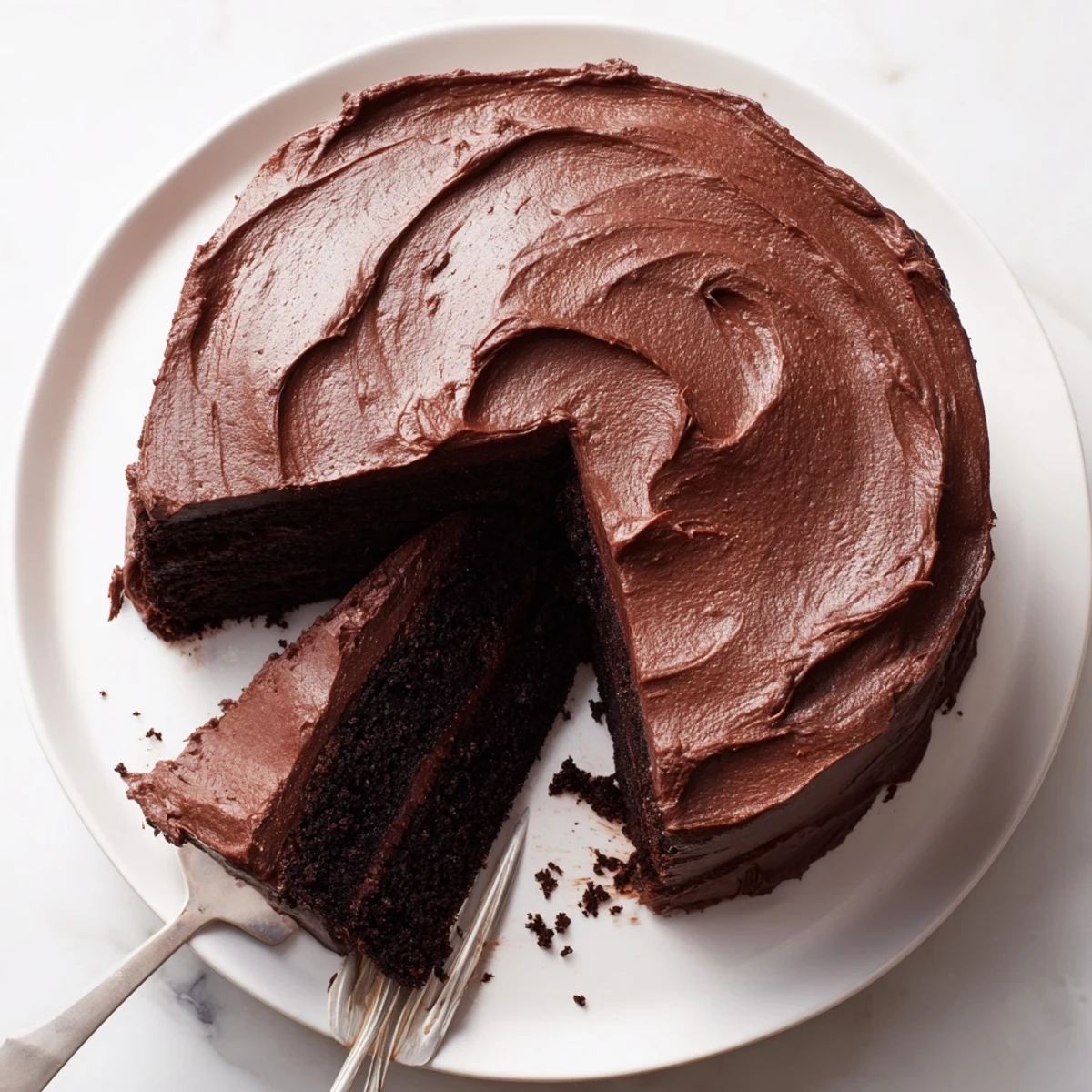
- Place one cooled layer on your serving plate and spread frosting over the top. Set the second layer on top and frost the top and sides of the entire cake.
 Save
Save My sister once tried to frost this cake while it was still slightly warm and ended up with chocolate glaze everywhere. We ate it anyway and declared it a deconstructed masterpiece.
Making It Ahead
The unfrosted cake layers can be wrapped tightly in plastic and frozen for up to three months. Thaw them overnight at room temperature before frosting.
Storage Tips
Keep the frosted cake covered at room temperature for up to three days or refrigerate for up to a week. Bring chilled slices to room temperature for the best texture and flavor.
Serving Suggestions
A slice of this cake needs nothing more than a cup of coffee or a cold glass of milk. However if you want to elevate it serve each slice with fresh raspberries or a scoop of vanilla ice cream.
- Brush the cake layers with simple syrup before frosting for extra moisture
- Add a teaspoon of espresso powder to deepen the chocolate flavor
- Sprinkle chocolate shavings over the top for a bakery finish
 Save
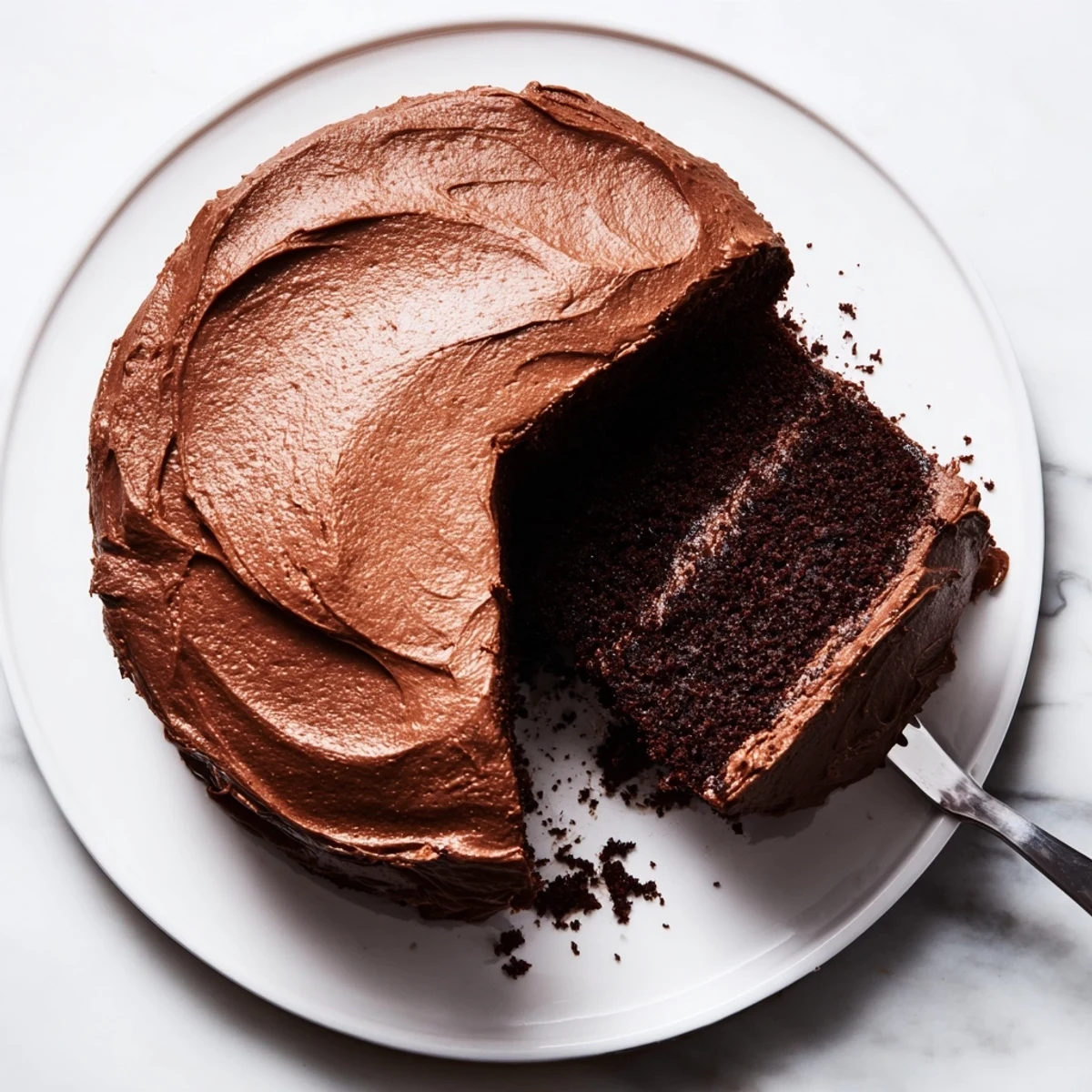
Save Every family deserves a go to chocolate cake recipe that never fails them. This one has never let me down.
Recipe FAQs
- → How do I know when the cake is done baking?
-
Insert a toothpick into the center of the cake. If it comes out clean or with just a few moist crumbs, the cake is ready. The edges should also start to pull away slightly from the pan sides.
- → Can I make this cake in advance?
-
Yes! The unfrosted cake layers can be wrapped tightly and stored at room temperature for up to 2 days or frozen for up to 3 months. Thaw completely before frosting.
- → Why add boiling water to the batter?
-
The boiling water helps bloom the cocoa powder, intensifying the chocolate flavor. It also creates a thinner batter that results in an exceptionally moist crumb once baked.
- → Can I substitute the all-purpose flour?
-
For a gluten-free version, use a high-quality gluten-free flour blend designed for baking. Measure by weight for best results, as gluten-free flours vary in density.
- → How should I store the finished cake?
-
Keep the frosted cake covered at room temperature for up to 3 days. For longer storage, refrigerate in an airtight container for up to a week, though bringing it to room temperature before serving improves texture.
- → What's the best way to frost the layers?
-
Ensure the cake layers are completely cool to room temperature before frosting. Place a small dollop of frosting on your serving plate to prevent sliding, then add the first layer, frost generously, and top with the second layer before frosting the exterior.