
 Save
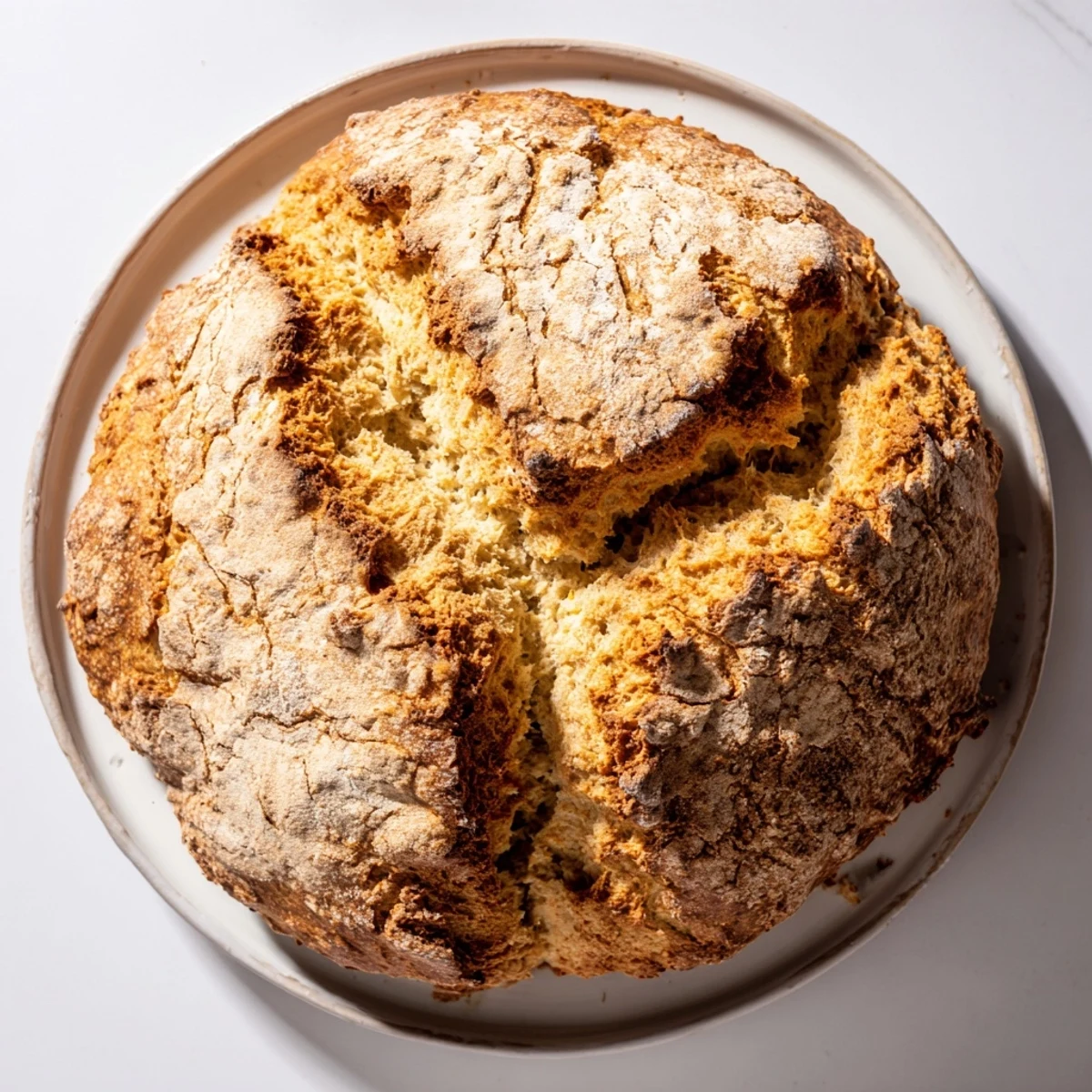
Save This Irish soda bread combines just four ingredients—flour, baking soda, salt, and buttermilk—to create a rustic loaf with a golden crust and tender crumb. Quick to prepare, it uses natural leavening without yeast, ideal for a cozy breakfast or as a side to hearty stews. The dough is gently kneaded then baked until golden and hollow-sounding when tapped. Variations include swapping half the flour for whole wheat or using milk with vinegar as a buttermilk substitute. Serve warm with butter or jam for best enjoyment.
The first time I made soda bread, I was skeptical. Four ingredients? No yeast, no rising time? But then I pulled that golden loaf from the oven, tapped the bottom, and heard that hollow thud that signals bread done right. My kitchen smelled like warm flour and comfort, and I understood why this has been Irish staple for generations.
I made this for a St. Patricks Day brunch last year, serving it warm with salted butter while my friends gathered around the kitchen island. We devoured the entire loaf before the stew was even done. Something about tearing into fresh bread together makes people linger and talk longer.
Ingredients
- All-purpose flour: The foundation of the bread, providing structure and that classic tender crumb
- Baking soda: The leavening agent that reacts with buttermilk to create rise
- Fine sea salt: Enhances flavor and helps balance the sweetness of the flour
- Buttermilk: The acid that activates the baking soda and adds subtle tang
Instructions
- Preheat and prepare:
- Heat your oven to 425°F and line a baking sheet with parchment paper or dust it lightly with flour.
- Mix the dry ingredients:
- Whisk the flour, baking soda, and salt in a large bowl until everything is evenly distributed.
- Combine and form the dough:
- Create a well in the center, pour in the buttermilk, and stir gently with a wooden spoon until a shaggy dough forms.
- Shape the loaf:
- Turn the dough onto a floured surface, knead briefly just until it comes together, then form into a round, flattened loaf about 2 inches thick.
- Score and bake:
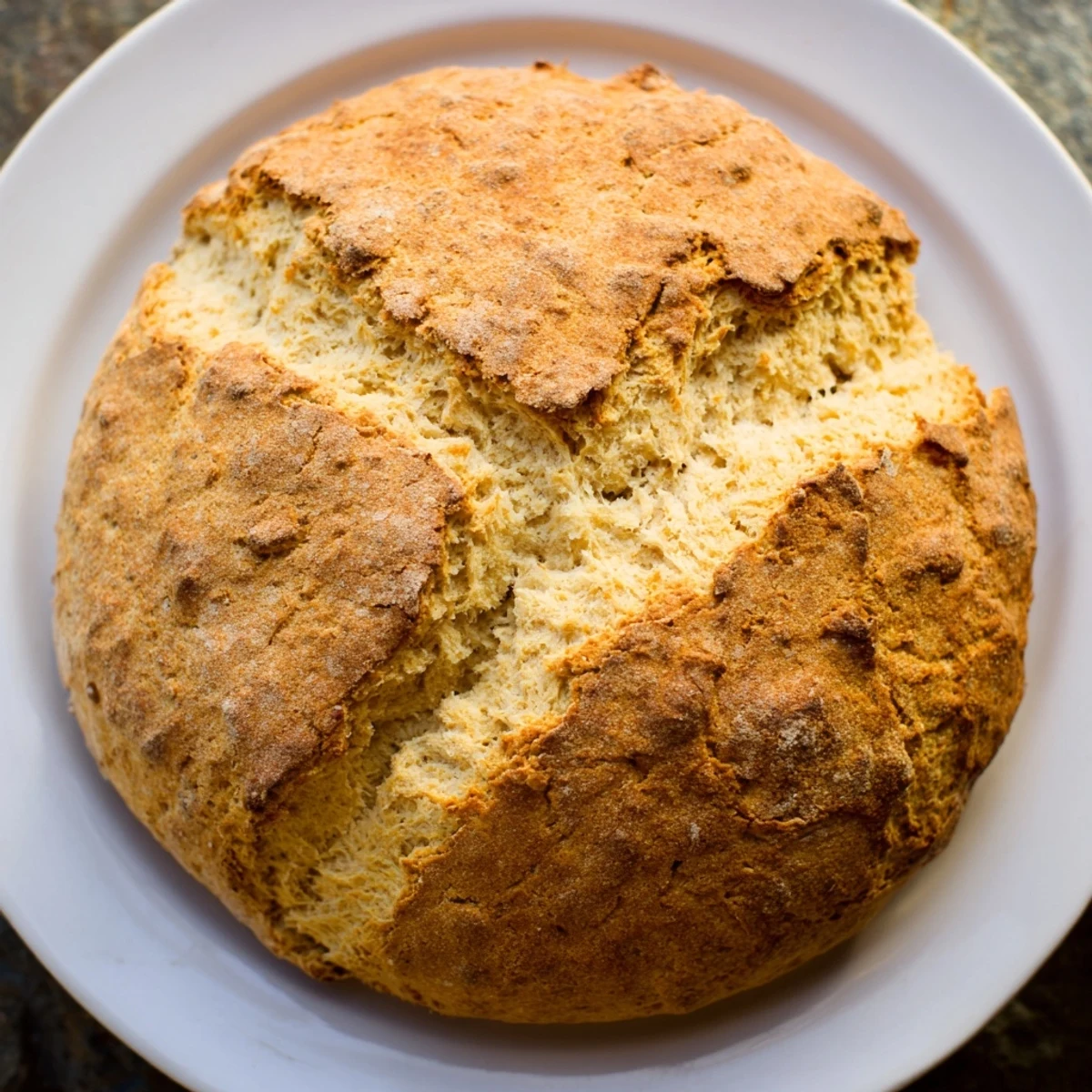
- Cut a deep X across the top with a sharp knife, then bake for 30 to 35 minutes until golden and hollow when tapped.
- Cool completely:
- Let the bread rest on a wire rack for at least 30 minutes before slicing into it.
 Save
Save My grandmother would have laughed at how nervous I was cutting that X the first time. She probably would have told me to stop overthinking and just get it in the oven. That is the beauty of this bread, it forgives hesitation and rewards simplicity.
Making It Your Own
Substituting half the all-purpose flour with whole wheat adds a nutty depth and slight sweetness that pairs beautifully with soups.
The Buttermilk Secret
Fresh buttermilk makes a difference, but in a pinch, regular milk mixed with lemon juice or vinegar works just as well. Let it sit for five minutes until it thickens slightly.
Serving Suggestions
Warm slices with salted butter are unbeatable, but this bread also shines with jam, honey, or alongside a hearty stew.
- Toast leftover slices the next day for breakfast
- Freeze extra loaves wrapped tightly in plastic
- Use day old bread to make breadcrumbs for other recipes
 Save
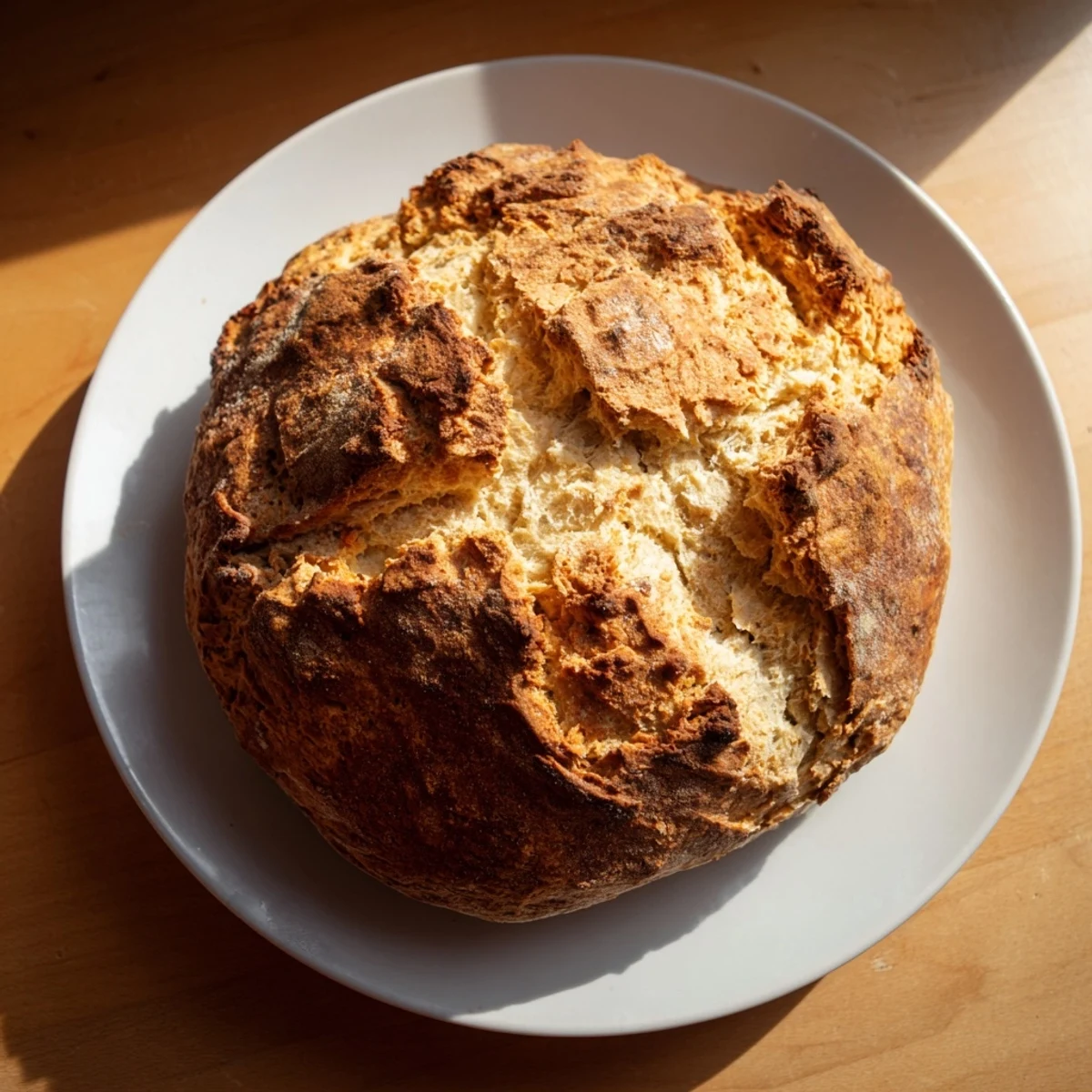
Save There is something deeply satisfying about making your own bread, especially one this simple and reliable. Enjoy every warm, buttered bite.
Recipe FAQs
- → What gives the bread its rise without yeast?
-
Baking soda reacts with the acidity in buttermilk, creating natural leavening that helps the bread rise.
- → Can I substitute buttermilk with something else?
-
Yes, mix milk with lemon juice or vinegar and let it sit for 5 minutes to mimic buttermilk's acidity.
- → How do I know when the bread is fully baked?
-
Look for a golden crust and a hollow sound when you tap the bottom of the loaf.
- → Why is the dough only lightly kneaded?
-
Light kneading keeps the crumb tender and avoids a dense texture.
- → Can I use whole wheat flour in this bread?
-
Yes, substituting half the flour with whole wheat adds richer flavor and texture.
- → What are good serving suggestions for this bread?
-
It's best enjoyed warm, paired with salted butter or your favorite jam, or alongside stews.