
 Save
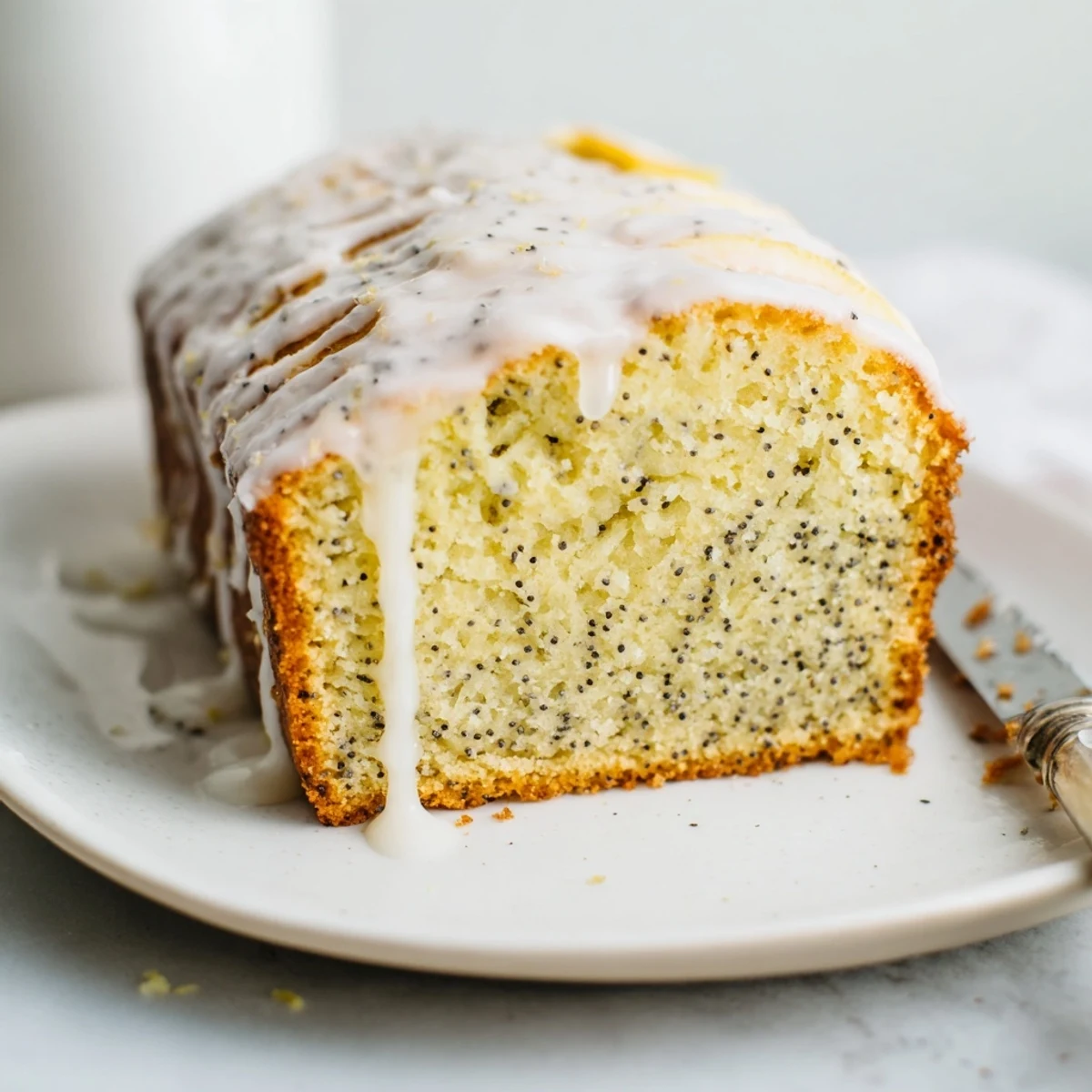
Save This zesty lemon poppy seed cake offers a perfect balance of bright citrus notes and satisfying crunch. The moist, tender crumb comes from creaming butter and sugar until fluffy, while fresh lemon juice and zest provide intense flavor throughout. Poppy seeds add a delightful texture and subtle nuttiness that pairs beautifully with the sweet glaze.
Ready in just one hour with simple ingredients you likely have on hand. The versatile loaf format makes it ideal for afternoon tea, brunch spreads, or casual desserts. Serve alongside fresh berries and whipped cream for an elegant presentation.
The window was open and a warm breeze kept fluttering the recipe card propped against the flour canister. I had been searching for something bright, something that tasted like sunshine on a plate, and this lemon poppy seed loaf answered that craving before the oven even finished preheating. The smell alone made my neighbor knock on the door asking what was happening in my kitchen.
I brought this loaf to a potluck thinking it would be a humble contribution among flashier desserts. It vanished before the brownies did, and two strangers asked me for the recipe before I even finished my coffee.
Ingredients
- Unsalted butter (3/4 cup, softened): Good butter is the backbone here. Let it truly soften at room temperature, because cold patches will leave you with uneven little pockets throughout the crumb.
- Granulated sugar (1 cup): The sugar and butter need to be beaten until almost white, which is what gives this cake its tender lift.
- Large eggs (2): Add them one at a time and let each fully incorporate before the next goes in. Patience here prevents a greasy separated batter.
- Whole milk (1/2 cup): Whole milk gives a softer crumb than lower fat options. Sour cream works beautifully as a swap if you want something even more plush.
- Fresh lemon juice (1/4 cup for batter, 2 tbsp for glaze): Bottled juice tastes flat and metallic next to the real thing. Squeeze it fresh and your cake will sing.
- Lemon zest (1 tbsp): This is where the perfume lives. Zest directly over the bowl so the essential oils fall right into your batter instead of drying on a cutting board.
- All-purpose flour (1 1/2 cups): Spoon and level it gently. Packed flour turns this moist loaf into something dense and heavy.
- Baking powder (1 1/2 tsp): Check the date. Expired baking powder is the silent killer of perfectly good batter everywhere.
- Salt (1/4 tsp): A small amount that makes the lemon taste brighter and the sugar taste more balanced.
- Poppy seeds (2 tbsp): Toast them briefly in a dry pan to wake up their flavor before folding them in. It is a tiny step with a noticeable payoff.
- Powdered sugar (3/4 cup for glaze): Sift it to keep the glaze silky smooth with no gritty lumps.
Instructions
- Set the stage:
- Preheat your oven to 350 degrees F and grease your loaf pan generously or line it with parchment paper, leaving overhang on the sides so you can lift the cake out cleanly later.
- Build the creamy base:
- Beat the softened butter and sugar together in a large bowl until the mixture turns pale, fluffy, and almost cloudlike, about three to four minutes of steady mixing.
- Welcome the eggs:
- Drop in one egg at a time, beating well after each addition until the batter looks smooth, glossy, and emulsified before moving forward.
- Add the liquid sunshine:
- Pour in the milk, fresh lemon juice, and lemon zest, stirring until combined even though the batter might look slightly curdled and worry you. It always does that and it always bakes out beautifully.
- Mingle the dry team:
- In a separate bowl, whisk together the flour, baking powder, salt, and poppy seeds so the leavening and those little seeds are evenly distributed before they meet the wet mixture.
- Bring it all together:
- Fold the dry ingredients into the wet in two or three gentle additions, stirring just until you no longer see streaks of flour. Overmixing is the enemy of tender cake.
- Pour and smooth:
- Transfer the batter into your prepared loaf pan and use a spatula to smooth the top, nudging it into the corners so it bakes evenly.
- Bake with patience:
- Slide the pan into the center of your oven and bake for 35 to 40 minutes, testing with a toothpick at the 35 minute mark. When it comes out with just a few moist crumbs, the cake is done.
- Cool with intention:
- Let the cake rest in the pan for exactly 10 minutes, then use the parchment overhang to lift it onto a wire rack to cool completely before glazing.
- The crowning drizzle:
- Whisk the powdered sugar and remaining lemon juice together until you have a thick but pourable glaze, then drizzle it over the cooled cake and watch it cascade down the sides.
 Save
Save A friend told me later that she stood alone in her kitchen at midnight eating the last slice over the sink, and honestly that is the highest compliment any cake can receive.
Smart Swaps and Additions
Sour cream makes a wonderful substitute for the whole milk if you want a denser, more tender crumb with a slight tang. You can also double the lemon zest for a version that practically shouts citrus, or fold in a cup of fresh blueberries for a loaf that tastes like a bright morning in June.
Serving Suggestions
This loaf is lovely on its own with afternoon tea or morning coffee, but it becomes genuinely memorable when served alongside a scoop of vanilla bean ice cream and a handful of fresh raspberries. A light dusting of powdered sugar over the plate before serving makes it look like you tried much harder than you actually did.
Storage and Make Ahead Advice
Wrap the cooled loaf tightly in plastic wrap and it stays beautifully moist on the counter for up to three days. For longer storage, freeze individual slices wrapped in foil and tucked into a freezer bag, then thaw at room temperature whenever the lemon craving hits.
- Glaze the cake only on the day you plan to serve it for the prettiest presentation.
- Freezing unglazed slices means you can enjoy one at a time without committing to the whole loaf.
- Always let the cake cool completely before wrapping or trapped steam will make the surface sticky.
 Save
Save This little loaf turned an ordinary Tuesday into something worth remembering, and I suspect it will do the same for you. Bake it once and it becomes the recipe people will keep asking you to bring everywhere.
Recipe FAQs
- → Can I make this cake ahead of time?
-
Yes, this cake actually tastes better the next day as flavors develop. Store wrapped at room temperature for up to 3 days or refrigerate for up to a week. Add glaze before serving.
- → How do I know when the cake is done baking?
-
Insert a toothpick into the center—if it comes out clean or with just a few moist crumbs, the cake is ready. The top should be golden brown and spring back when gently pressed.
- → Can I use bottled lemon juice instead of fresh?
-
Fresh lemon juice provides the best flavor and acidity balance. Bottled juice can work in a pinch, but may result in a less vibrant citrus taste. Fresh zest is essential for that bright lemon aroma.
- → What if I don't have poppy seeds?
-
You can substitute with an equal amount of chia seeds for similar crunch, or omit entirely. The cake will still be delicious, though you'll miss the classic texture contrast and subtle nutty flavor.
- → Can I freeze this cake?
-
Absolutely. Wrap the cooled cake tightly in plastic wrap and foil, then freeze for up to 3 months. Thaw overnight at room temperature before adding glaze and serving.