
 Save
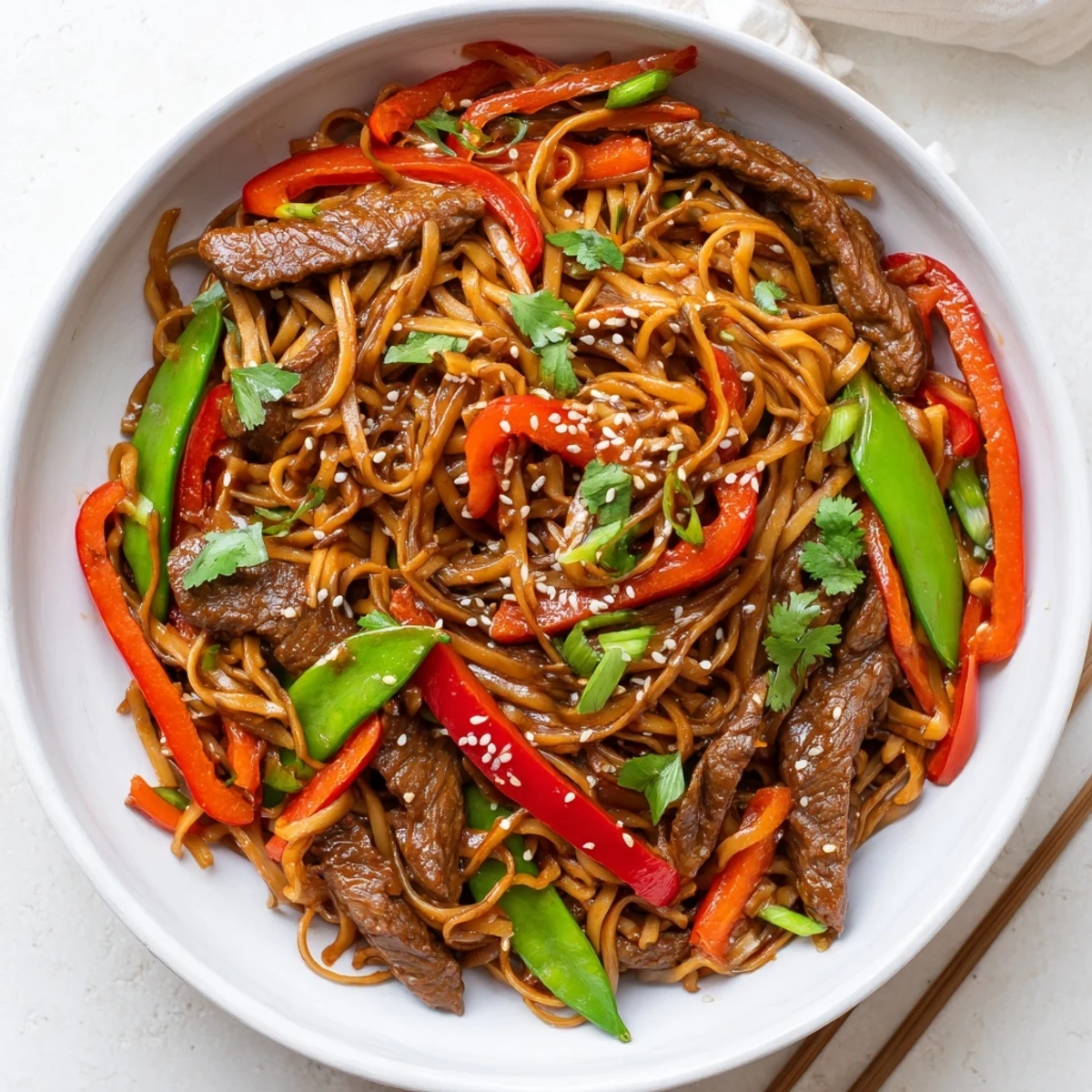
Save This satisfying noodle bowl features thinly sliced flank steak seared to tender perfection, coated in a rich glaze of soy, hoisin, and brown sugar. The glossy sauce clings beautifully to chewy noodles while crisp bell peppers, julienned carrots, and fresh sugar snap peas add vibrant crunch and color.
Fresh ginger, garlic, and aromatic white parts of spring onions build layers of flavor in just minutes of high-heat stir-frying. A final sprinkle of toasted sesame seeds and fragrant coriander leaves adds irresistible aroma and restaurant-style presentation. The entire dish comes together in under 40 minutes, making it perfect for busy weeknights when you crave something bold and satisfying.
The first time I made sticky beef noodles, my kitchen filled with this incredible aroma of caramelized soy and ginger that had my roommate hovering around the stove with a fork in hand. We ended up eating straight from the wok, leaning against the counter because waiting for plates seemed ridiculous when the sauce was that glossy and tempting. Now it's the recipe I turn to when Tuesday night needs something bold enough to make us forget we're tired.
Last winter, my sister called mid-way through making this, convinced she'd ruined everything because her beef looked gray and sad after marinating. I talked her through the sear, and when she called back twenty minutes later, she was practically whispering about how restaurant-worthy it turned out. That moment of watching someone realize a few simple techniques can transform basic ingredients never gets old.
Ingredients
- Flank steak (400g/14oz), thinly sliced against the grain: Cutting against the muscle fibers makes each bite tender instead of chewy, and the cornstarch velveting technique creates that silky restaurant texture
- Rice noodles or egg noodles (300g/10oz): Rice noodles soak up that sticky sauce beautifully, but egg noodles add a nice chew if you prefer more bite
- Red bell pepper, carrot, sugar snap peas: These keep their crunch even after a quick toss in hot sauce, creating texture contrast against the soft noodles and tender beef
- Hoisin and oyster sauce (2 tbsp each): This duo creates that glossy, restaurant-style coating that makes sticky beef noodles so addictive
- Fresh ginger and garlic: Grating the ginger releases more of those aromatic oils than mincing, giving the dish a brighter, more pronounced flavor
Instructions
- Marinate the beef:
- Toss the sliced beef with soy sauce, cornstarch, and sesame oil, then let it sit for 10 to 15 minutes. The cornstarch creates a protective coating that keeps the meat silky when it hits high heat.
- Prep your noodles:
- Cook noodles according to package instructions, drain, and rinse immediately with cold water to stop the cooking process and prevent sticking.
- Mix the sauce:
- Whisk together soy sauce, oyster sauce, hoisin, brown sugar, rice vinegar, and red pepper flakes until the sugar completely dissolves.
- Sear the beef:
- Heat oil in a wok over high heat until smoking slightly, then add beef in a single layer. Let it develop a dark brown crust for 1 to 2 minutes per side before removing.
- Stir-fry vegetables:
- Add more oil if needed and cook garlic, ginger, white spring onion parts, and vegetables for 2 to 3 minutes until bright but still crisp.
- Combine everything:
- Return beef to the wok, add noodles and sauce, then toss for 2 to 3 minutes until every strand is glossy and coated.
- Garnish and serve:
- Sprinkle with sesame seeds, green onions, and fresh cilantro, then serve immediately while the sauce is still clinging to everything.
 Save
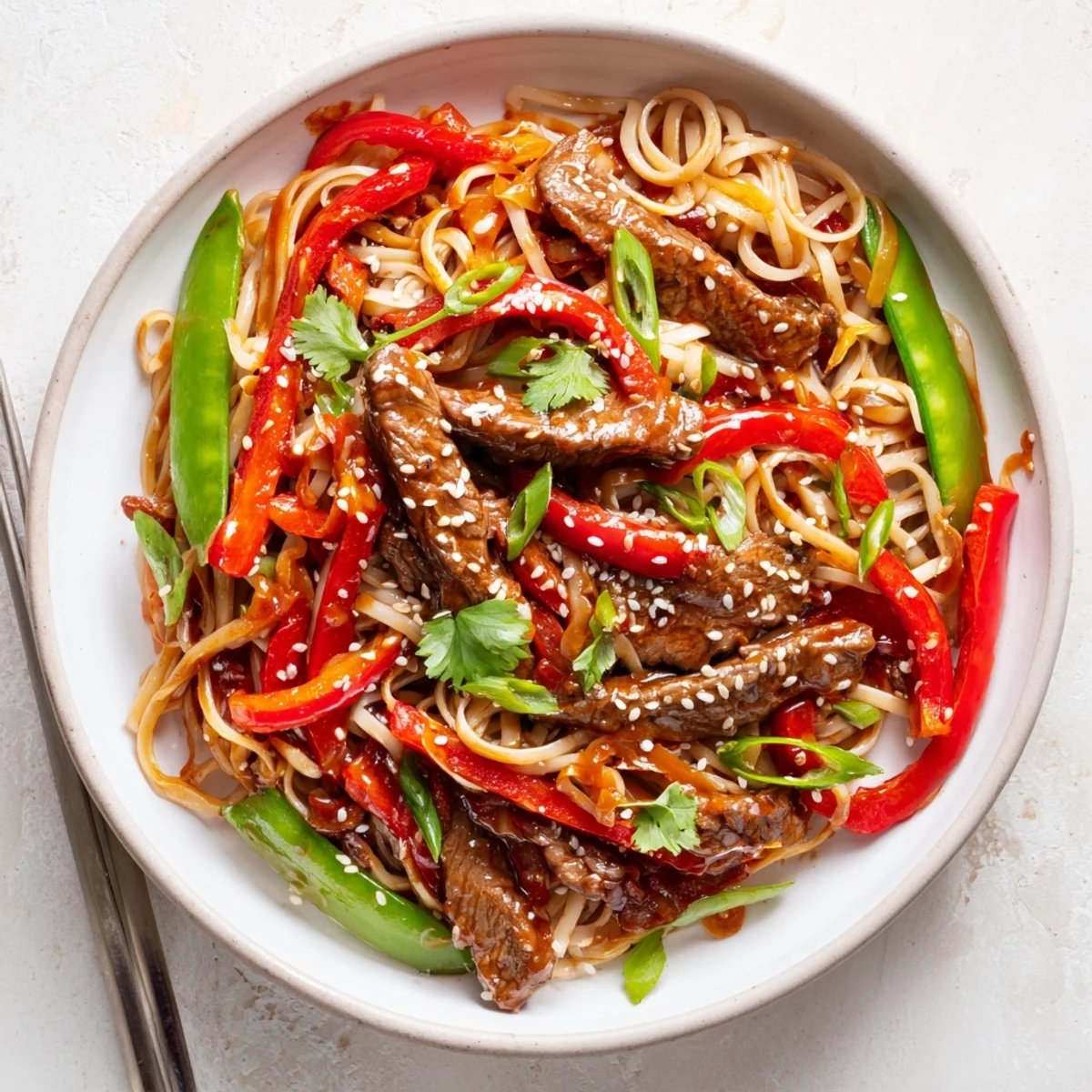
Save My friend's daughter, who normally picks vegetables out of everything, asked for seconds and actually ate the bell peppers because they were coated in that irresistible sauce. Something about the balance of sweet and savory makes even skeptical eaters forget they're eating something nutritious.
Getting The Right Noodle Texture
I learned the hard way that overcooked noodles turn into mush when tossed with sauce. Now I pull them 1 minute early because they continue cooking in the residual heat, and that extra bit of firmness makes all the difference when you're serving this piping hot.
Making It Your Own
Substitute sliced chicken breast, shrimp, or even firm tofu if you're not feeling like beef. The real magic happens in that sauce, so as long as you keep the balance of sweet, salty, and tangy intact, almost any protein works beautifully here.
Timing Is Everything
Mise en place becomes your best friend with this recipe because once you start cooking, everything moves fast. I prep all my ingredients in little bowls beforehand, so I'm not frantically measuring sauces while the beef is searing.
- Have your sauce mixed and ready before you turn on the stove
- Keep a small bowl of water nearby to loosen the sauce if it gets too thick
- Warm your serving bowls so the noodles stay hot longer at the table
 Save
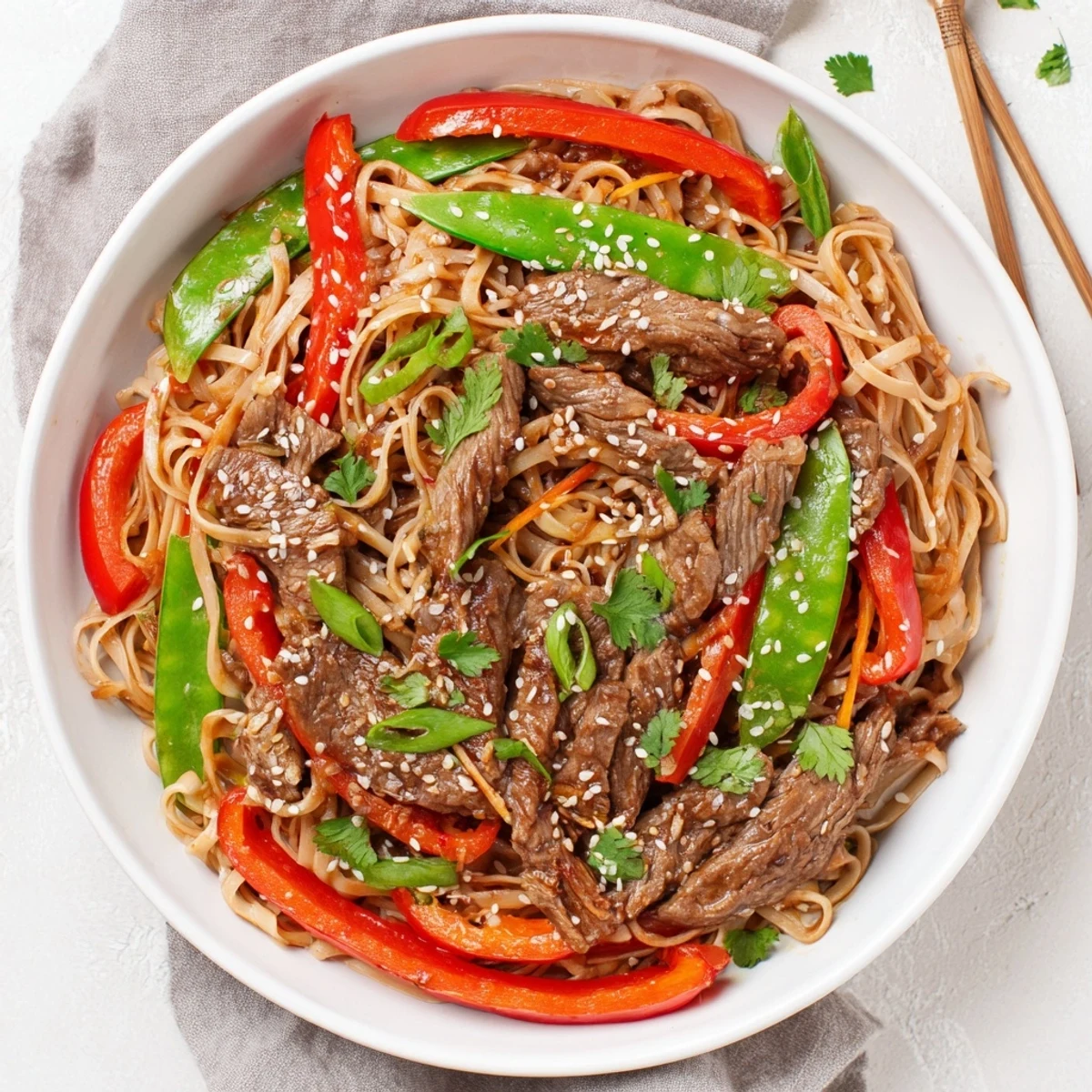
Save There's something deeply satisfying about sliding a bowl of these noodles across the table and watching everyone immediately lean in, chopsticks ready. Good food does that, brings people together without needing to say much at all.
Recipe FAQs
- → What cut of beef works best?
-
Flank steak or sirloin sliced thinly against the grain ensures tenderness. The quick searing method keeps the beef juicy while developing a caramelized exterior that holds the sauce beautifully.
- → Can I make this dish gluten-free?
-
Substitute regular soy sauce with tamari, use gluten-free oyster sauce, and choose rice noodles instead of wheat egg noodles. The flavor and texture remain excellent while accommodating dietary needs.
- → How do I prevent noodles from sticking?
-
Rinse cooked noodles with cold water immediately after draining to remove excess starch. Toss them with a teaspoon of sesame oil before adding to the wok, and they'll separate easily during stir-frying.
- → What vegetables can I substitute?
-
Broccoli florets, sliced mushrooms, baby corn, or bok choy work wonderfully. Aim for vegetables that cook quickly and maintain crunch—avoid dense root vegetables that require longer cooking times.
- → Can I prepare components ahead?
-
Slice the beef and vegetables up to a day in advance, storing them separately in the refrigerator. Mix the sauce beforehand and keep it refrigerated. The dish cooks quickly, so having everything prepped makes the actual cooking seamless.
- → How can I adjust the heat level?
-
Increase red pepper flakes to 1 teaspoon or add chili oil during serving for those who enjoy spice. For milder flavor, omit the flakes entirely—the ginger and garlic provide plenty of flavor depth without heat.