
 Save
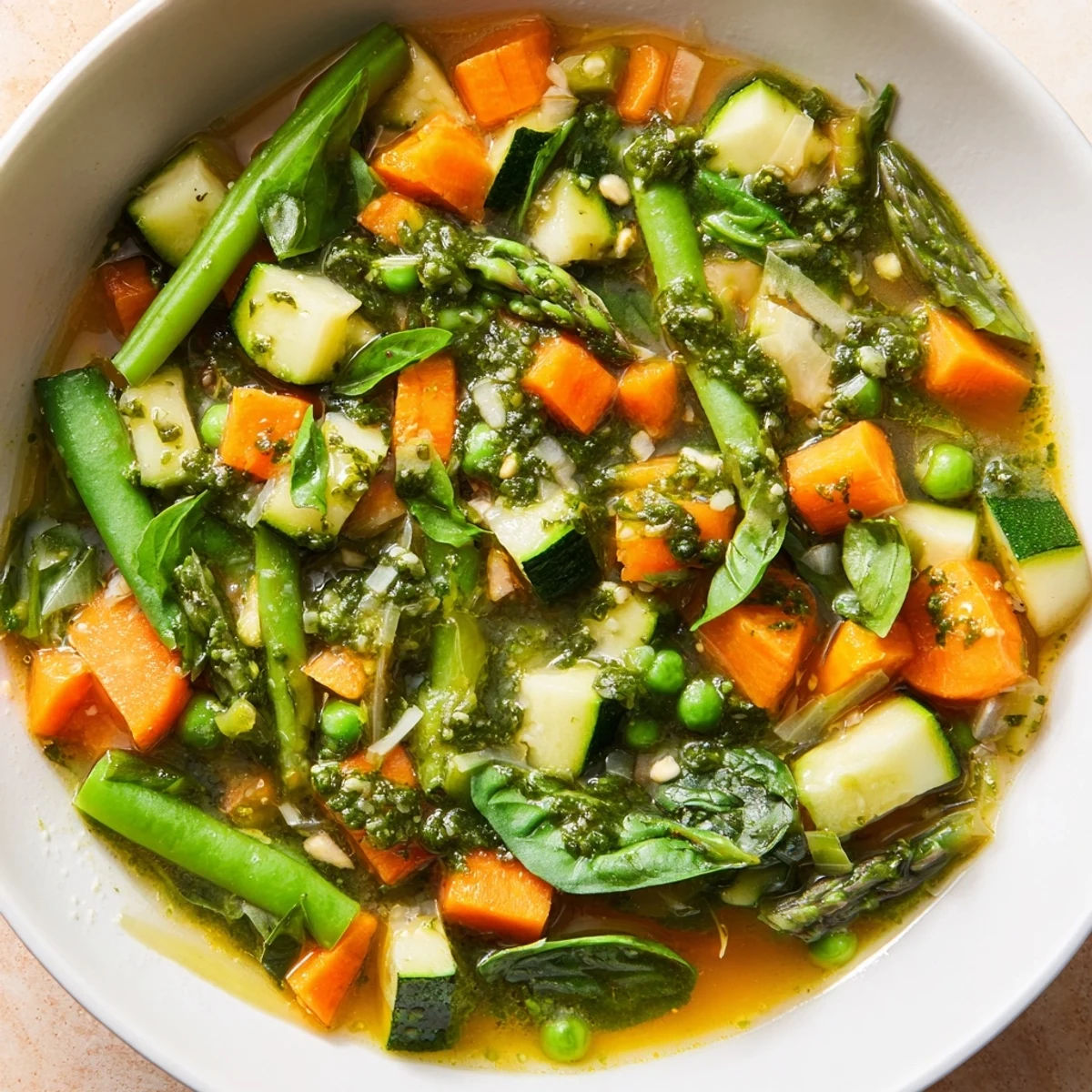
Save This dish features tender spring vegetables gently simmered in a flavorful broth and brightened with a swirl of fresh basil and pine nut pesto. Onions and leeks are sautéed for depth, while green beans, asparagus, peas, zucchini, and spinach provide vibrant color and texture. The pesto, made from basil, garlic, Parmesan, pine nuts, and olive oil, adds a fragrant, creamy finish that complements the vegetables perfectly. Ideal for a light, nourishing meal, the soup balances freshness and richness with every spoonful.
The first time I made this soup, it was a rainy Sunday and I had a bag of mixed spring vegetables from the farmers market that needed using. Something about the bright green colors against the gray day made me feel hopeful about spring actually arriving. My kitchen smelled like garlic and basil within minutes, and suddenly the rain did not matter anymore.
Last spring I served this to friends who claimed they hated vegetable soup. They went back for thirds and asked for the pesto recipe separately. Now it is my go to when I need to feed people something that feels special but does not require me to stand over the stove for hours.
Ingredients
- 1 tablespoon olive oil: Creates the foundation for sauteing the aromatics
- 1 small onion, finely chopped: Builds the savory base of the soup
- 2 cloves garlic, minced: Adds aromatic depth without overwhelming delicate vegetables
- 2 medium carrots, diced: Brings natural sweetness and color
- 1 small leek, white and light green parts, sliced: Offers a mild onion flavor that is essential for French inspired soups
- 100 g (3.5 oz) green beans, trimmed and cut into 2 cm pieces: Hold their texture beautifully in the hot broth
- 100 g (3.5 oz) asparagus, trimmed and cut into 2 cm pieces: The quintessential spring vegetable that tastes like the season itself
- 100 g (3.5 oz) peas (fresh or frozen): Add sweetness and pop of bright green color
- 100 g (3.5 oz) baby spinach: Wilts into the hot broth for extra nutrition and color
- 1 medium zucchini, diced: Absorbs all the flavors while maintaining a tender texture
- 1.2 liters (5 cups) vegetable broth: Use high quality broth as it becomes the primary flavor
- 1 bay leaf: Subtle background note that makes the soup taste professionally made
- Salt and freshly ground black pepper, to taste: Essential for bringing all vegetable flavors forward
- Juice of 1/2 lemon: Brightens the entire soup and balances the sweetness of vegetables
- 40 g (1.5 oz) fresh basil leaves: The star of the pesto that makes this soup unforgettable
- 30 g (1 oz) pine nuts: Add richness and buttery texture to the pesto
- 1 small garlic clove: Raw garlic in pesto provides a different aromatic profile than cooked
- 40 g (1.5 oz) grated Parmesan cheese: Creates umami depth and creamy texture in the pesto
- 60 ml (1/4 cup) extra virgin olive oil: Brings everything together into a smooth sauce
- Salt and pepper, to taste: Season the pesto generously so it stands out in the soup
Instructions
- Build the aromatic foundation:
- Heat olive oil in a large pot over medium heat. Add onion and leek, and sauté for 3 to 4 minutes until softened and fragrant but not browned.
- Add the hardier vegetables:
- Stir in garlic, carrots, and zucchini. Cook for another 3 minutes, stirring occasionally, until the garlic becomes fragrant and vegetables begin to soften.
- Create the soup base:
- Add green beans, asparagus, and bay leaf. Pour in the vegetable broth and bring to a gentle boil. Reduce heat, cover, and simmer for 15 minutes until vegetables are tender.
- Add delicate vegetables:
- Add peas and cook for 5 minutes more, then add the spinach and cook until just wilted, about 1 to 2 minutes. Remove bay leaf.
- Season to perfection:
- Season the soup with salt, pepper, and lemon juice to taste. The lemon juice is crucial as it wakes up all the flavors.
- Make the pesto:
- In a food processor, blend basil, pine nuts, garlic, and Parmesan. With the motor running, slowly add olive oil until a smooth, spoonable paste forms. Season with salt and pepper.
- Finish and serve:
- Ladle the soup into bowls and swirl a generous spoonful of pesto into each serving. Serve immediately while the vegetables are still vibrant.
 Save
Save This soup has become my spring ritual, the dish that officially says winter is over. There is something about watching the pot fill with green vegetables that makes everything feel possible again.
Making It Your Own
I have learned that spring vegetable soup is beautifully adaptable. When asparagus prices skyrocket, I add more peas or snap peas. Sometimes I throw in small pasta shapes to make it more filling for hungry teenagers.
The Pesto Secret
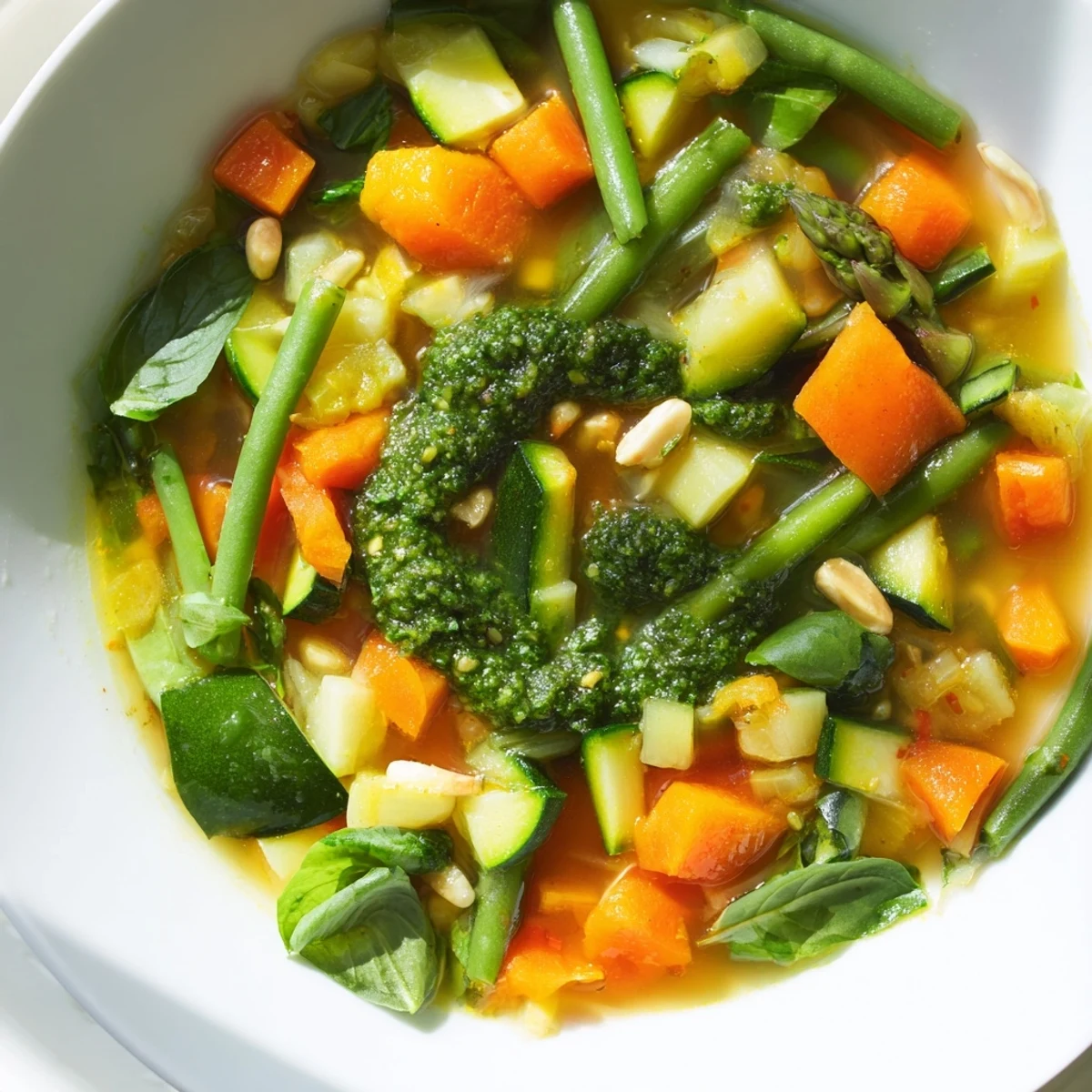
The pesto makes this soup extraordinary rather than just good. I keep the pesto slightly thicker than I would for pasta so it creates distinct ribbons throughout the soup. The contrast between the hot broth and the cool, garlicky pesto is pure magic.
Serving Suggestions
This soup deserves to be the star of the meal, though crusty bread for dipping is non negotiable. A crisp white wine like Sauvignon Blanc cuts through the richness of the pesto beautifully.
- Top each bowl with extra shaved Parmesan for an indulgent finish
- Keep some pesto on the table so guests can add more to their taste
- The soup actually tastes better the next day as flavors meld together
 Save
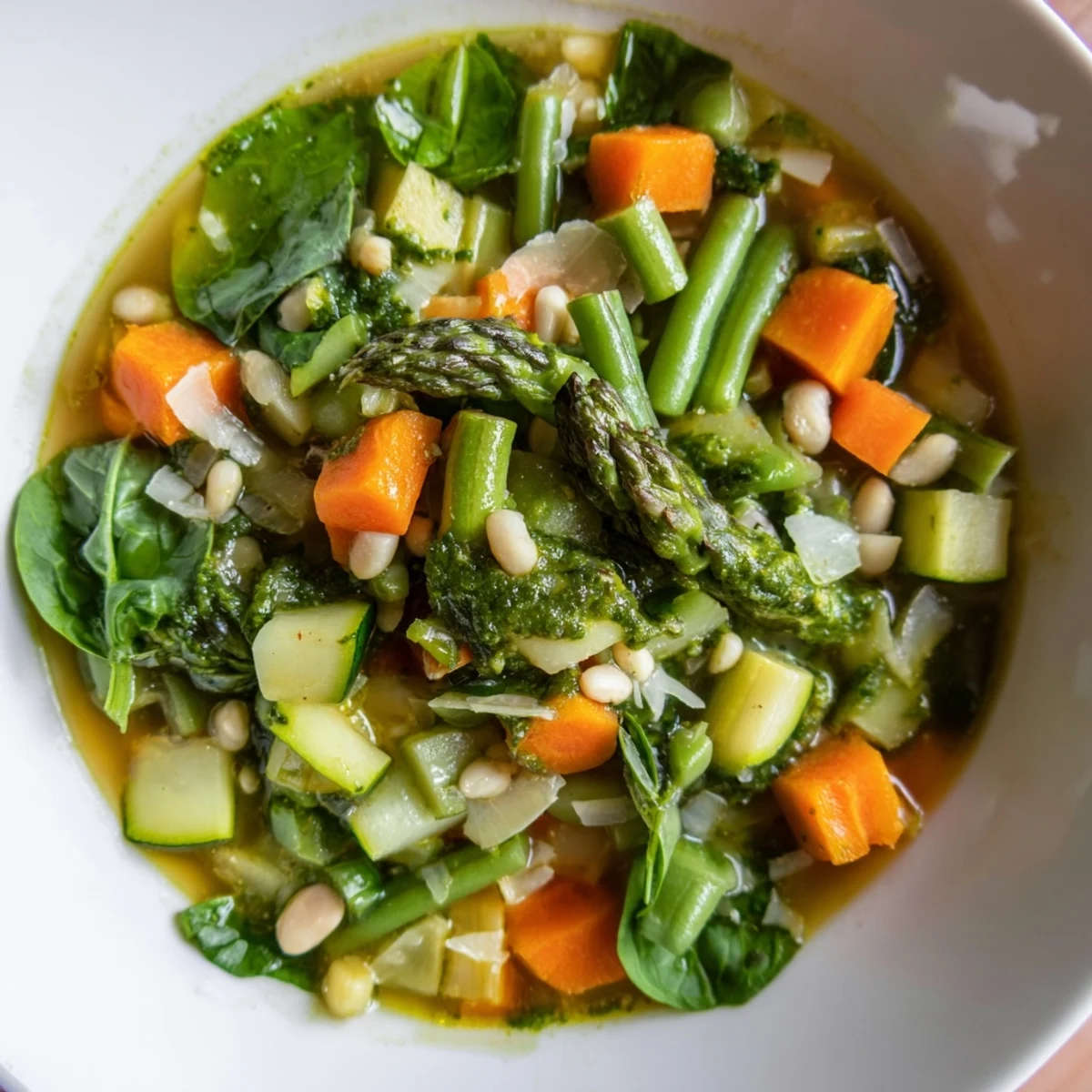
Save There is something deeply nourishing about eating a bowl of vegetables that still taste like themselves. This soup is spring in a bowl, simple and honest and exactly what you need.
Recipe FAQs
- → How do I make the pesto for this dish?
-
Blend fresh basil leaves, pine nuts, garlic, and grated Parmesan while slowly adding olive oil until smooth. Season with salt and pepper to taste.
- → Can I use frozen vegetables for this dish?
-
Yes, frozen peas and green beans work well, ensuring they are added at the right time to maintain texture.
- → What can I substitute for Parmesan in the pesto?
-
For a dairy-free alternative, you can use nutritional yeast to maintain a cheesy flavor.
- → How long should the vegetables simmer?
-
After bringing the broth to a boil, reduce heat and simmer for 15 minutes before adding peas and spinach to cook briefly.
- → What are good accompaniments for this dish?
-
Crusty bread and a crisp white wine like Sauvignon Blanc complement the fresh flavors beautifully.