
 Save
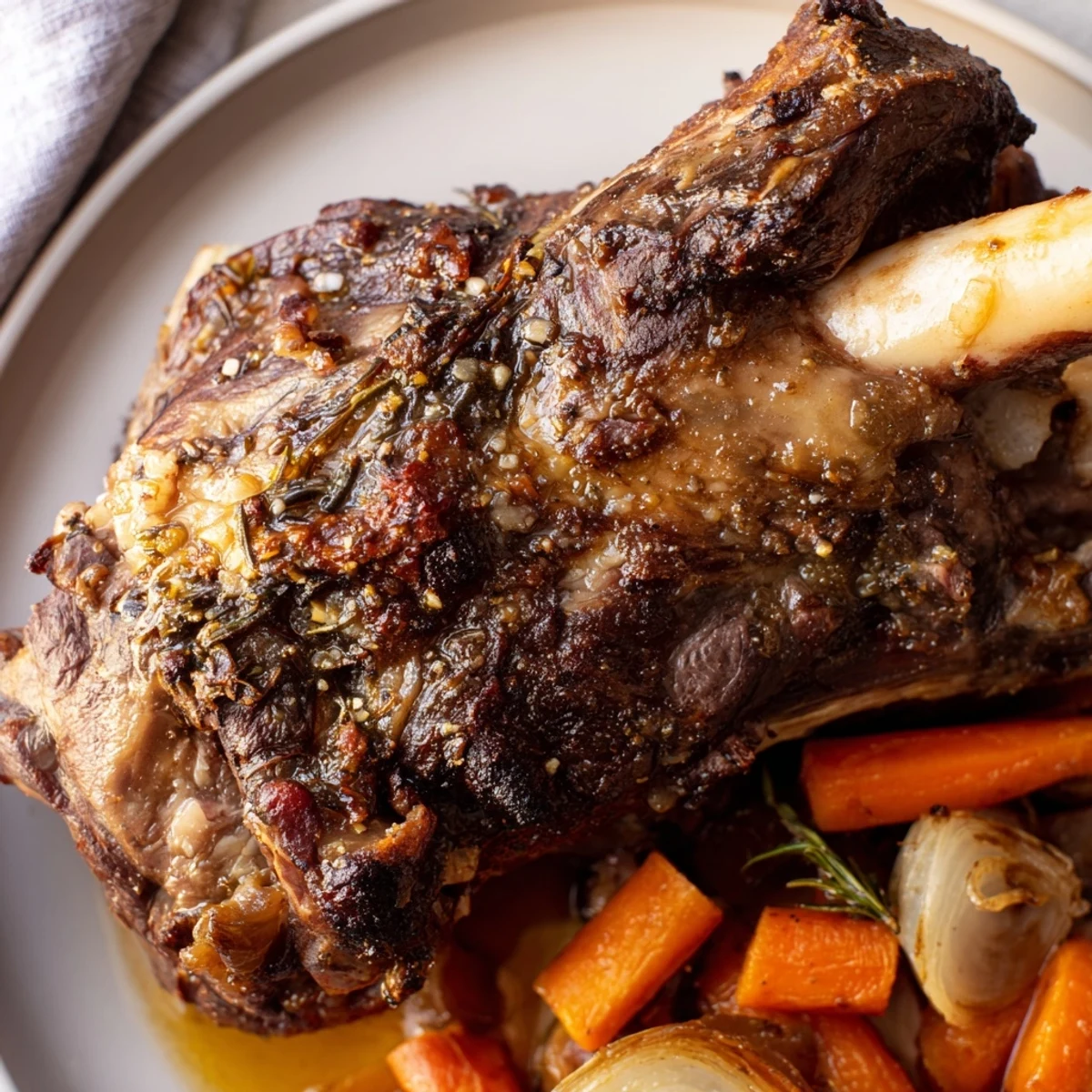
Save This dish features bone-in lamb shoulder rubbed with a fragrant blend of garlic, rosemary, thyme, oregano, and lemon zest. Layered over onions, carrots, and celery, the lamb is slow-cooked until tender and golden, allowing the herb marinade and savory pan juices to infuse deep flavors. The roasting process yields rich, juicy meat ideal for special occasions or comforting meals. Resting before carving ensures maximum tenderness, while pairing with roasted vegetables enhances the natural savoriness. Perfect for a Mediterranean-inspired hearty main course.
The windowsill herb garden had gone completely wild, which felt like the universe telling me it was time for a proper slow roast. I'd never cooked lamb shoulder before, always intimidated by the size and the time commitment, but that afternoon seemed perfect for attempting something that would fill the entire house with impossible aromas.
My sister came over halfway through the cooking time, drawn by what she described as the best-smelling house in the neighborhood. We ended up drinking tea and watching the foil-covered pan in the oven like it was television, both of us slightly hungry but absolutely unwilling to rush something that clearly needed its own sweet time.
Ingredients
- Lamb shoulder: The bone-in version creates the most flavorful cooking liquid and keeps the meat incredibly moist during its long journey
- Olive oil: Use something decent since it's the foundation that helps all those herbs cling to every surface
- Fresh herbs: Rosemary, thyme, and oregano work together like a tiny orchestra, and the fresh ones make an enormous difference
- Lemon: Both zest and juice cut through the rich fat, bringing brightness that prevents the dish from feeling too heavy
- Vegetable bed: Onions, carrots, and celery aren't just accessories, they become a roasted base that flavors every bite
- White wine or broth: This creates steam and eventually transforms into the most incredible pan juices you've ever tasted
Instructions
- Prepare the lamb:
- Pat the shoulder completely dry with paper towels, then use a sharp knife to score the fat layer in a diamond pattern, being careful not to cut into the meat itself. Rub the entire surface with olive oil and season generously with salt and pepper, getting into all the crevices.
- Make the herb paste:
- In a small bowl, combine the minced garlic, chopped rosemary, thyme, oregano, lemon zest, and lemon juice until it forms a fragrant, thick mixture that you'll want to eat with a spoon.
- Massage and prep:
- Work the herb paste thoroughly into the lamb, pressing it firmly into the scored fat and all over the meat, as if you're giving the lamb a spa treatment it richly deserves.
- Build the roasting bed:
- Scatter the sliced onions, chunked carrots, and celery pieces across a large roasting pan, creating an even vegetable layer that the lamb will rest upon throughout its long, slow transformation.
- Position and pour:
- Place the seasoned lamb on the vegetable bed with the fatty side facing up, then carefully pour the wine or broth around the base, avoiding washing away any of that precious herb paste you worked so hard to apply.
- The long slow cook:
- Cover the pan tightly with aluminum foil and roast in a preheated 160°C oven for 2.5 hours, during which time your patience will be rewarded with increasingly tantalizing smells.
- The golden finish:
- Remove the foil, increase the temperature to 200°C, and roast uncovered for another 30 minutes until the fat has crisped to a beautiful golden brown and the meat is tender enough to pull apart with minimal effort.
- Rest and serve:
- Let the lamb rest loosely covered for 15 minutes, which is honestly the hardest part but absolutely essential for keeping all those juices where they belong, then carve against the grain and serve with those roasted vegetables and pan juices.
 Save
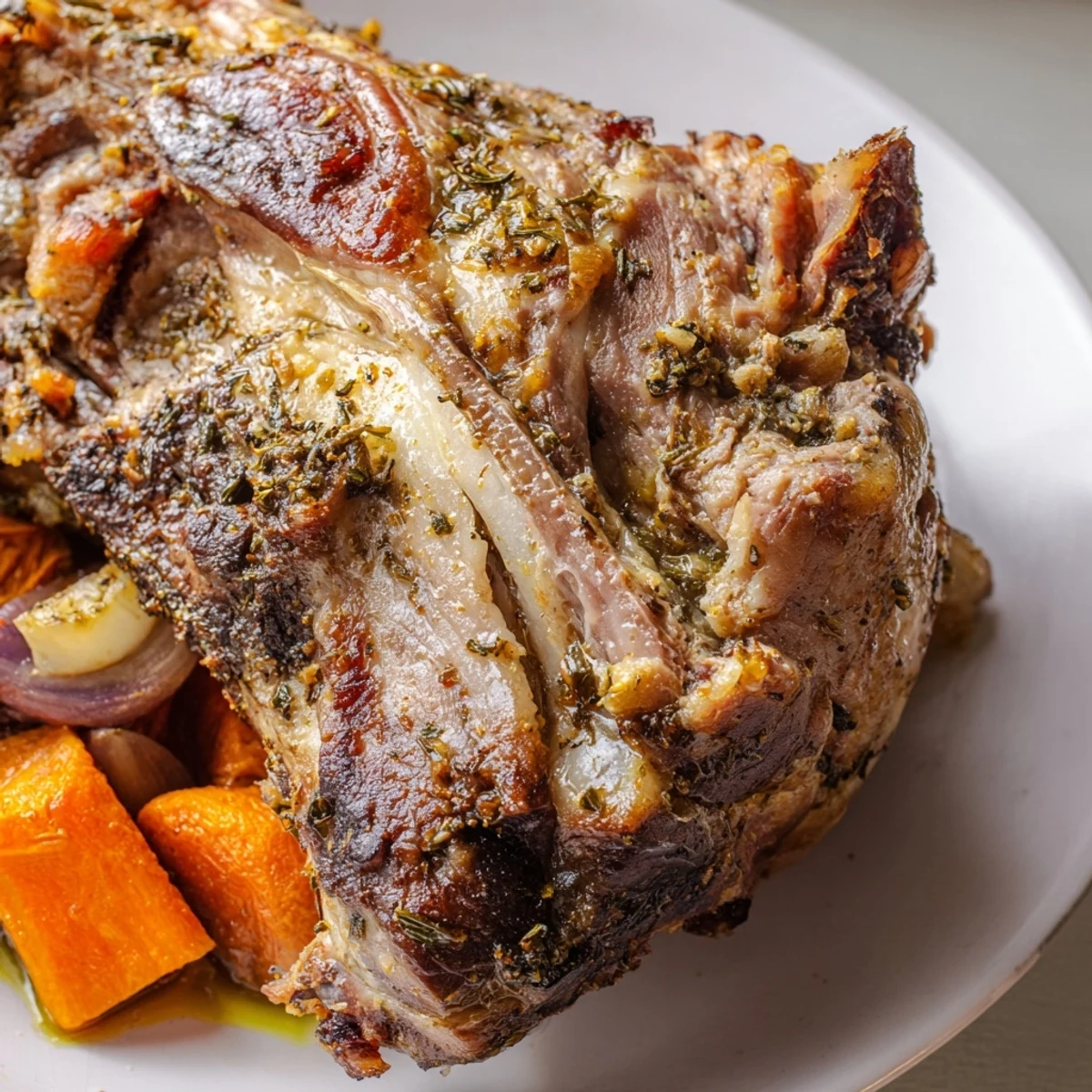
Save That first meal stretched for hours, with everyone leaning back in their chairs and talking about nothing and everything, the kind of dinner that makes you understand why food has always been at the center of human connection. The lamb disappeared slowly, reverently, and the pan juices were fought over with genuine affection.
Making It Ahead
The entire process can be completed a day in advance, and the flavors actually improve with some time to mellow together. Reheat gently at a low temperature, covered, so the meat doesn't dry out.
The Leftover Situation
Leftover lamb shoulder is one of those gifts that keeps on giving, transforming into sandwiches that will ruin you for all other lunches. The cold meat, still streaked with herbs and rendered fat, makes the most incredible filling when piled onto good bread with some sharp mustard.
Wine And Sides
A medium-bodied red wine like a Rioja or Grenache will stand up beautifully to the rich, fatty meat. Serve alongside roasted potatoes that have been tossed in the pan juices during the last 20 minutes of cooking.
- Crisp roast potatoes cooked in the same pan
- A simple green salad with acidic vinaigrette
- Crusty bread for sopping up every drop
 Save
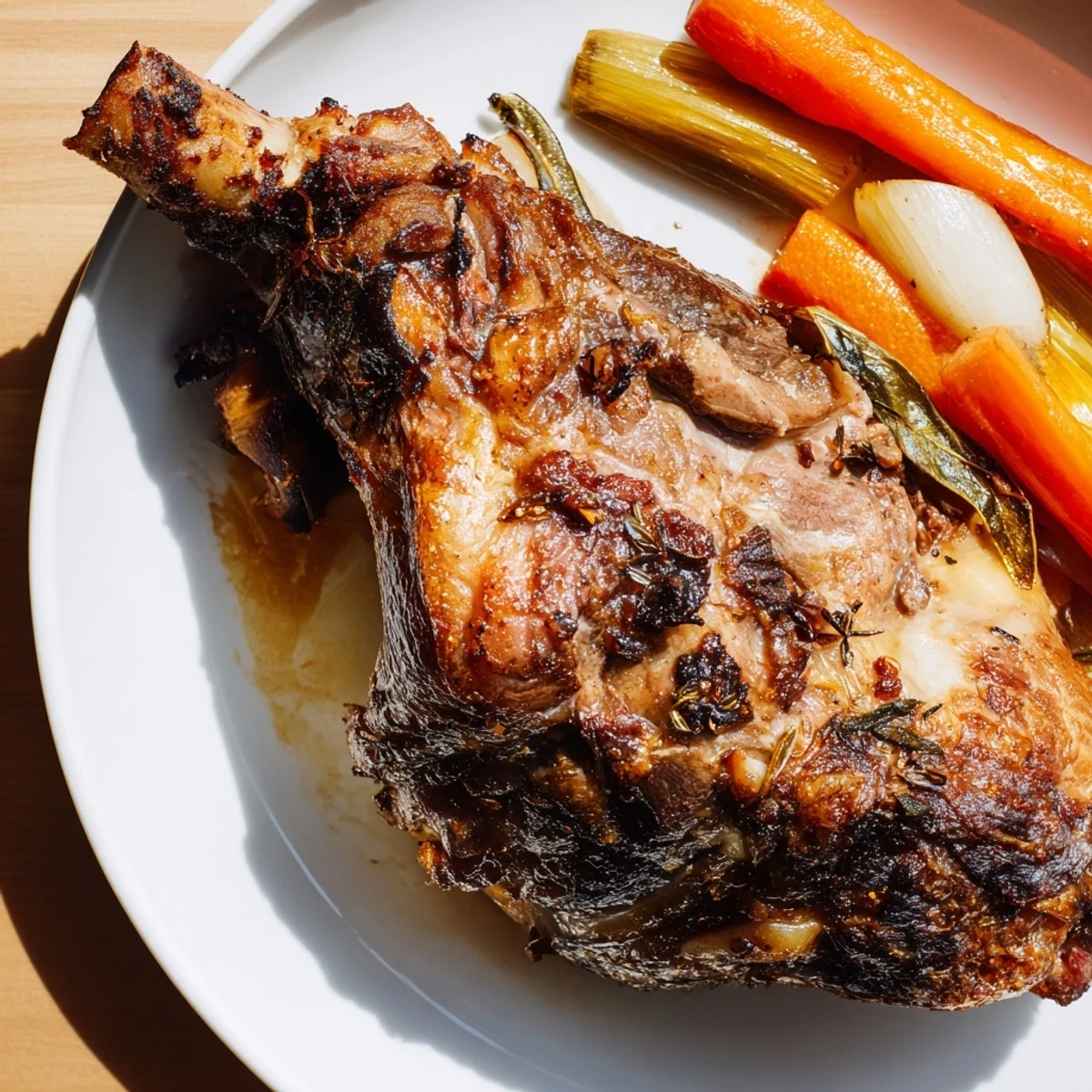
Save There's something profoundly satisfying about a dish that asks so little of you beyond time, then rewards you with something that feels like celebration food every single time.
Recipe FAQs
- → What herbs enhance the flavor of the lamb shoulder?
-
Fresh rosemary, thyme, oregano, and lemon zest combined with garlic create a fragrant herb marinade that complements the lamb's richness.
- → How long should the lamb shoulder be slow-roasted?
-
Roast the lamb covered for 2.5 hours at 160°C, then uncovered at 200°C for 30 minutes until golden and tender.
- → Can I substitute fresh herbs with dried versions?
-
Yes, you can use dried herbs at half the quantity of fresh to maintain balanced flavors.
- → What vegetables are ideal for roasting with the lamb?
-
Onions, carrots, and celery make a flavorful bed that adds sweetness and depth to the dish during roasting.
- → How should the lamb be rested after cooking?
-
Let the lamb rest loosely covered with foil for 15 minutes to allow juices to redistribute and ensure tenderness.
- → What liquids work best for roasting the lamb?
-
Dry white wine or low-sodium chicken broth can be poured around the lamb to maintain moisture and add subtle flavor.