
 Save
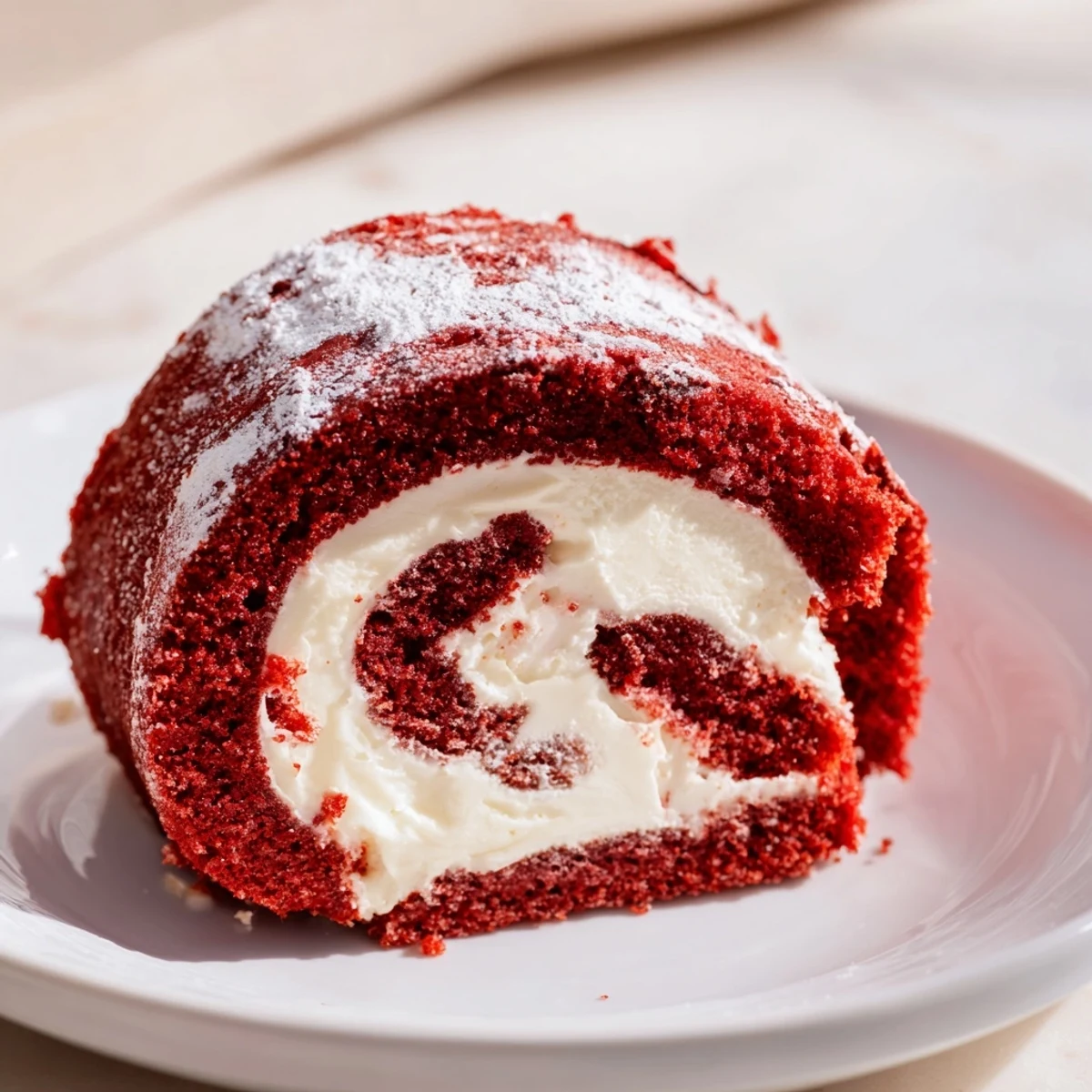
Save This festive dessert features a tender red velvet sponge baked to perfection and rolled while warm to avoid cracks. The creamy, smooth cream cheese filling adds richness and balance. Dusting with powdered sugar enhances presentation and flavor. Ideal for special gatherings, it pairs a subtle cocoa hint with sweet, tangy notes. Preparation includes folding dry ingredients carefully and chilling to set the roll's shape. Simple yet elegant, it brings vibrant color and indulgent texture to any celebration table.
My sister's wedding anniversary was coming up and I wanted to surprise them with something dramatic but nostalgic. They'd had a red velvet cake at their reception, and that deep crimson color always brings back that fluttery reception hall atmosphere. I'd never attempted a rolled cake before, and honestly, the prospect of cracking a freshly baked sponge made my palms sweat.
The first time I made this, my kitchen smelled like cocoa and vinegar and I remember thinking this can't possibly work. But when that cake emerged from the oven, springy and shockingly red, I actually gasped a little. My husband wandered in, asked what on earth I was making, then hovered around until I let him lick the cream cheese beaters.
Ingredients
- All-purpose flour: The structure here is everything since the cake needs to roll without cracking
- Unsweetened cocoa powder: Just enough to give depth without overpowering that classic red velvet flavor
- Baking powder and salt: These lift the sponge while keeping it tender enough to roll
- Room temperature eggs: Seriously important for maximum volume when beating them
- Granulated sugar: Sweetens and helps stabilize all those air bubbles you're about to whip into the eggs
- Vegetable oil: Keeps the sponge moist far longer than butter would
- Buttermilk: That subtle tang is what makes red velvet taste like red velvet
- White vinegar: Reacts with the buttermilk to enhance the red color and tenderize the crumb
- Red food coloring: Go for gel or liquid, whatever you have, but don't skimp
- Cream cheese: Absolutely must be softened or you'll end up with lumpy filling
- Unsalted butter: Also softened, creates that silky smooth consistency
- Powdered sugar: Sift it first or you'll hate yourself when you hit a lump
Instructions
- Preheat your oven like you mean it:
- 350°F with the rack in the middle position, and line your jelly roll pan with parchment paper before giving it a quick grease.
- Whisk your dry ingredients together:
- Flour, cocoa, baking powder, and salt in one bowl, whisked until combined, then set aside.
- Beat those eggs until they're pale and gorgeous:
- Full five minutes on high speed until they've tripled in volume and look like pale yellow clouds.
- Add sugar gradually while beating:
- Keep the mixer going and pour in that sugar slowly, letting it dissolve completely into the egg foam.
- Gently fold in the wet ingredients:
- Oil, buttermilk, vanilla, vinegar, and food coloring, mixing just until everything comes together.
- Fold in the dry ingredients in two batches:
- Be gentle and stop as soon as you no longer see dry streaks, overmixing will make the cake tough.
- Spread batter and tap out the bubbles:
- Pour into your prepared pan, spread evenly, then give the pan a few firm taps on the counter.
- Bake until it springs back:
- About 12 to 15 minutes, and when you lightly touch the center, it should bounce back instantly.
- Prep your towel while the cake bakes:
- Lay out a clean kitchen towel and dust it generously with powdered sugar, this is your rolling partner.
- Roll the cake while it's hot:
- Flip the cake onto the sugared towel, peel off the parchment, and roll from the short end with the towel inside.
- Make the cream cheese filling:
- Beat together softened cream cheese and butter until silky, then add powdered sugar and vanilla until fluffy.
- Unroll and fill:
- Carefully unroll the cooled cake, spread that gorgeous filling everywhere except the very edges.
- Roll it back up:
- Gently roll the cake back up without the towel, wrap it tight, and chill for at least an hour before serving.
 Save
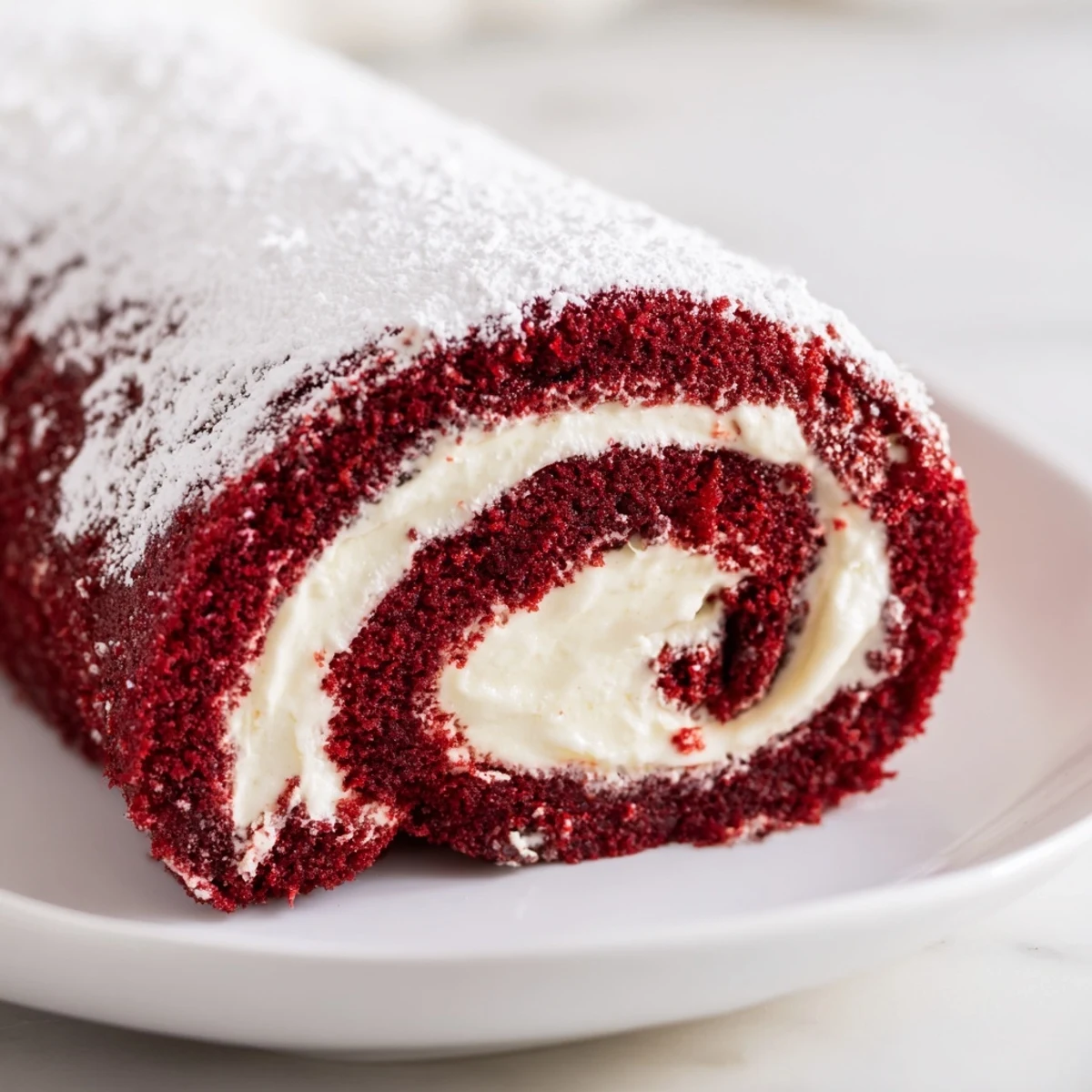
Save When I finally served that anniversary cake, my sister actually teared up seeing that red spiral slice open on the plate. It wasn't just about the dessert anymore, it was about that moment frozen in time, recreated in sugar and cream cheese.
Getting That Perfect Roll
I learned the hard way that waiting even ten minutes too long means the cake sets and refuses to roll gracefully. Have your towel ready and dusted before the cake even hits the oven, because timing matters more than technique here.
Filling Variations I've Tried
My kids went crazy when I added mini chocolate chips to the cream cheese filling, and honestly, that little crunch against the smooth sponge is pretty spectacular. Sometimes I'll fold in crushed raspberries for a fruity brightness that cuts through all that richness.
Make Ahead Magic
This cake actually improves after a night in the fridge, when all those flavors have had time to become better friends. You can freeze the unfilled rolled sponge for up to a month, wrapped tight in plastic, then thaw and fill whenever the mood strikes.
- Freeze the unfilled roll if you want to get ahead of a busy week
- Let the filled cake come to room temperature for about 20 minutes before serving
- Dust with powdered sugar right before serving for that fresh snow effect
 Save
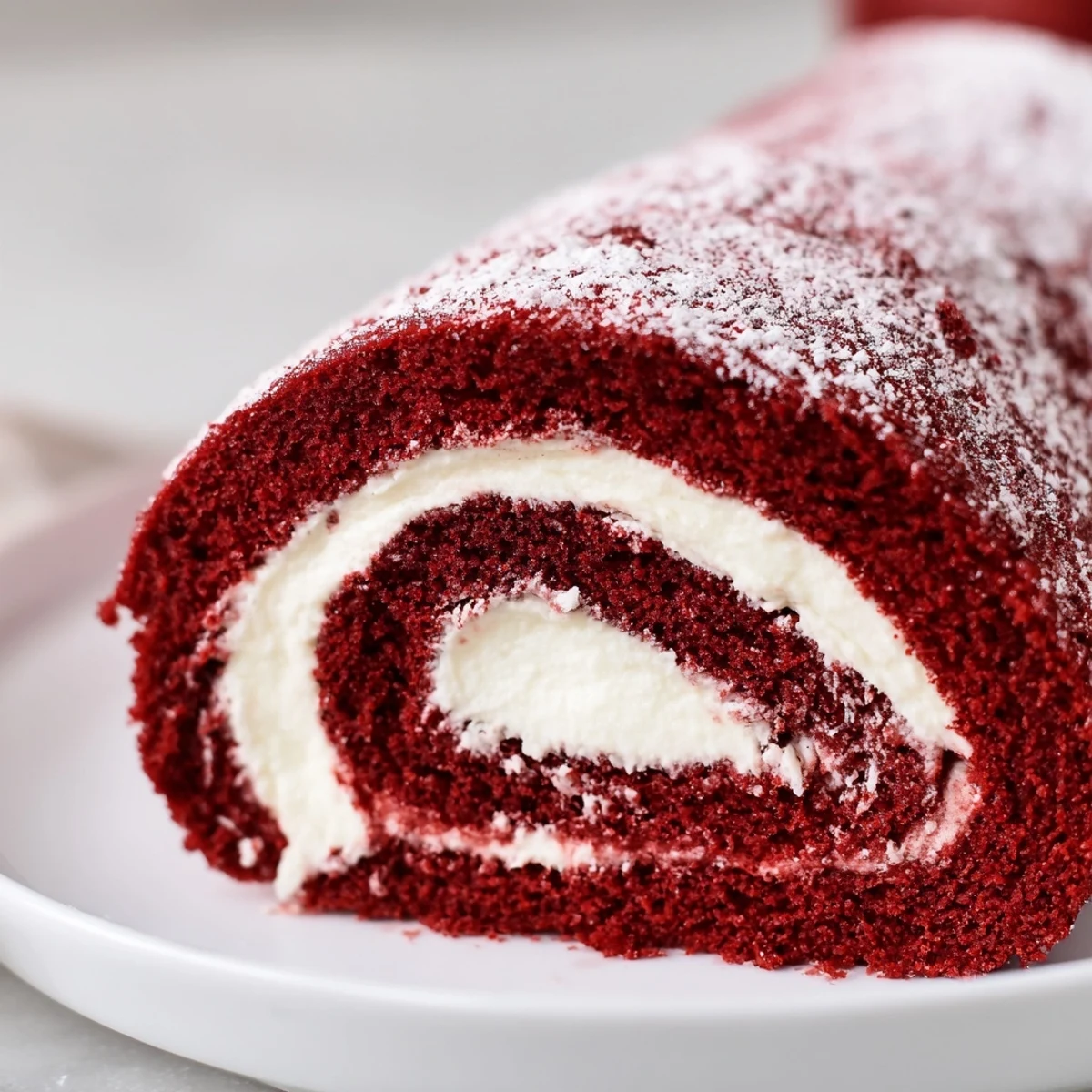
Save There's something deeply satisfying about slicing into that red spiral and seeing the cream cheese peeking through, like you've created something much more complicated than it actually is.
Recipe FAQs
- → How do I prevent the sponge from cracking when rolling?
-
Roll the sponge immediately after baking while it's still warm, using a powdered sugar-dusted towel to help shape it gently without cracks.
- → Can I prepare the filling in advance?
-
Yes, the cream cheese filling can be made ahead and kept chilled. Beat until smooth and fluffy for easy spreading later.
- → What is the best way to store the rolled cake?
-
Wrap the cake tightly in plastic wrap and refrigerate to maintain moisture and set the filling for at least one hour.
- → Can I add extra flavors to the filling?
-
Yes, vanilla extract is used here, but adding lemon zest or a splash of liqueur can enhance the filling's flavor profile.
- → Is it necessary to dust with powdered sugar?
-
Powdered sugar dusting prevents sticking during rolling and adds a delicate sweetness and elegant finish when serving.
- → What tools simplify the preparation process?
-
An electric mixer ensures airy eggs, and a jelly roll pan with parchment paper aids even baking and easy removal.