
 Save
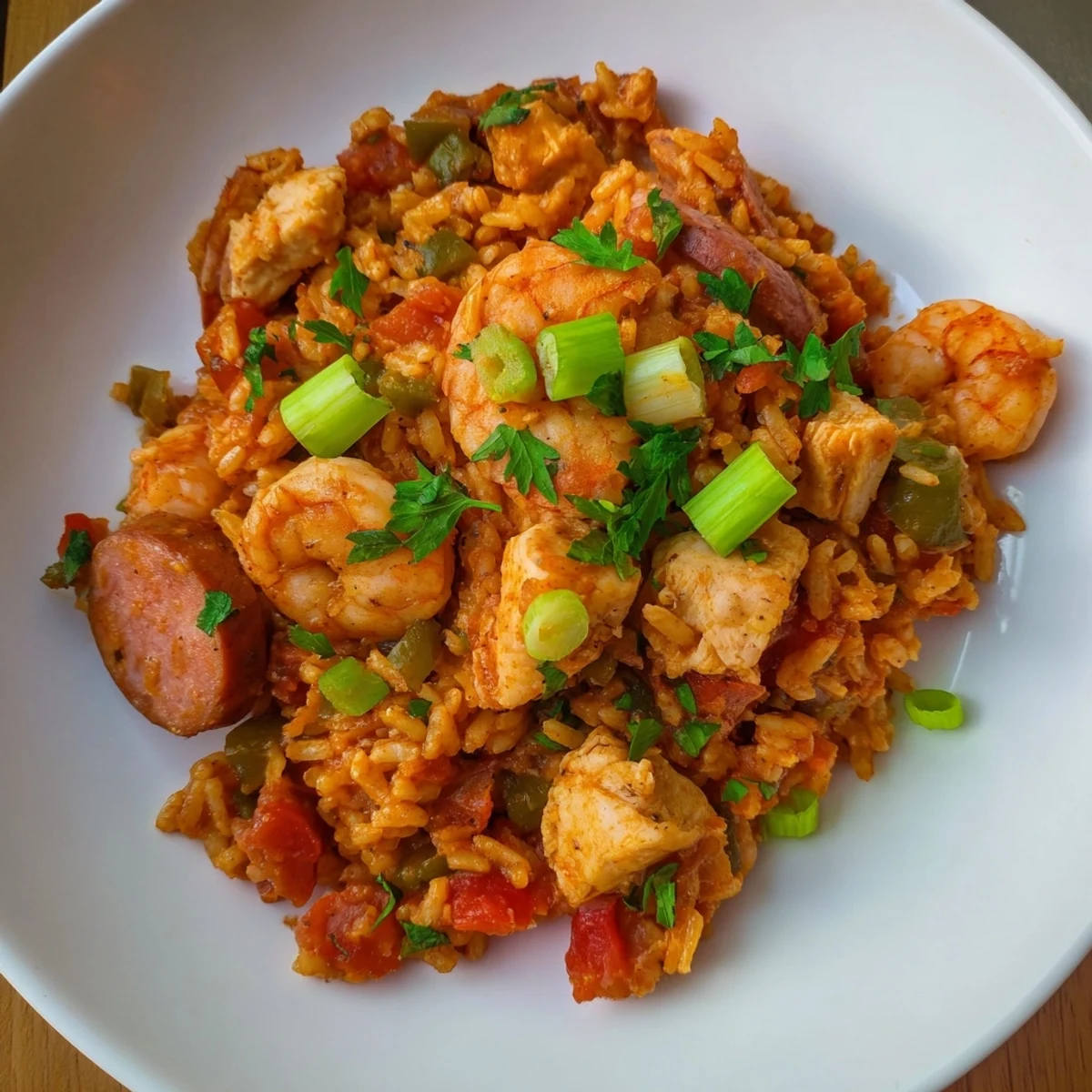
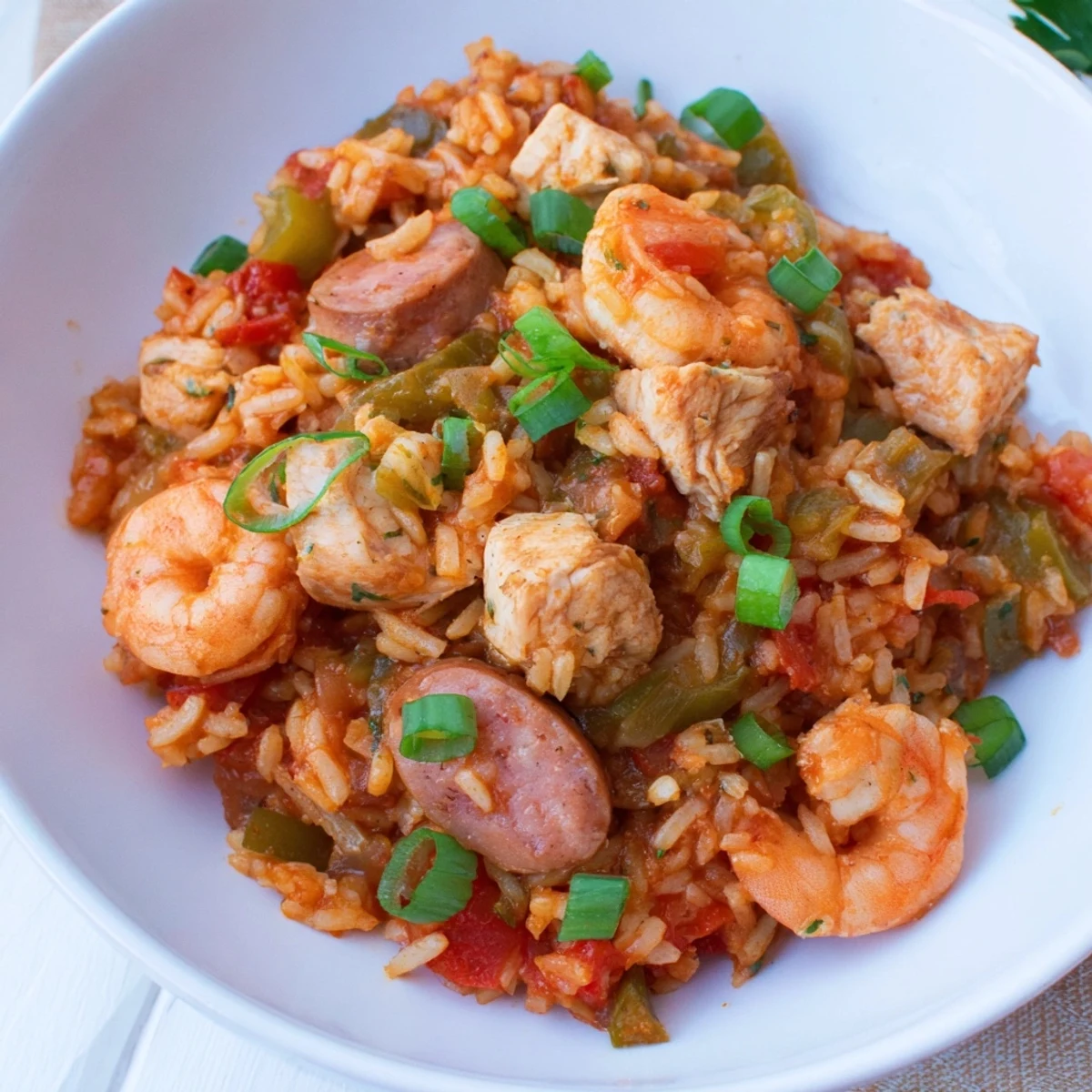
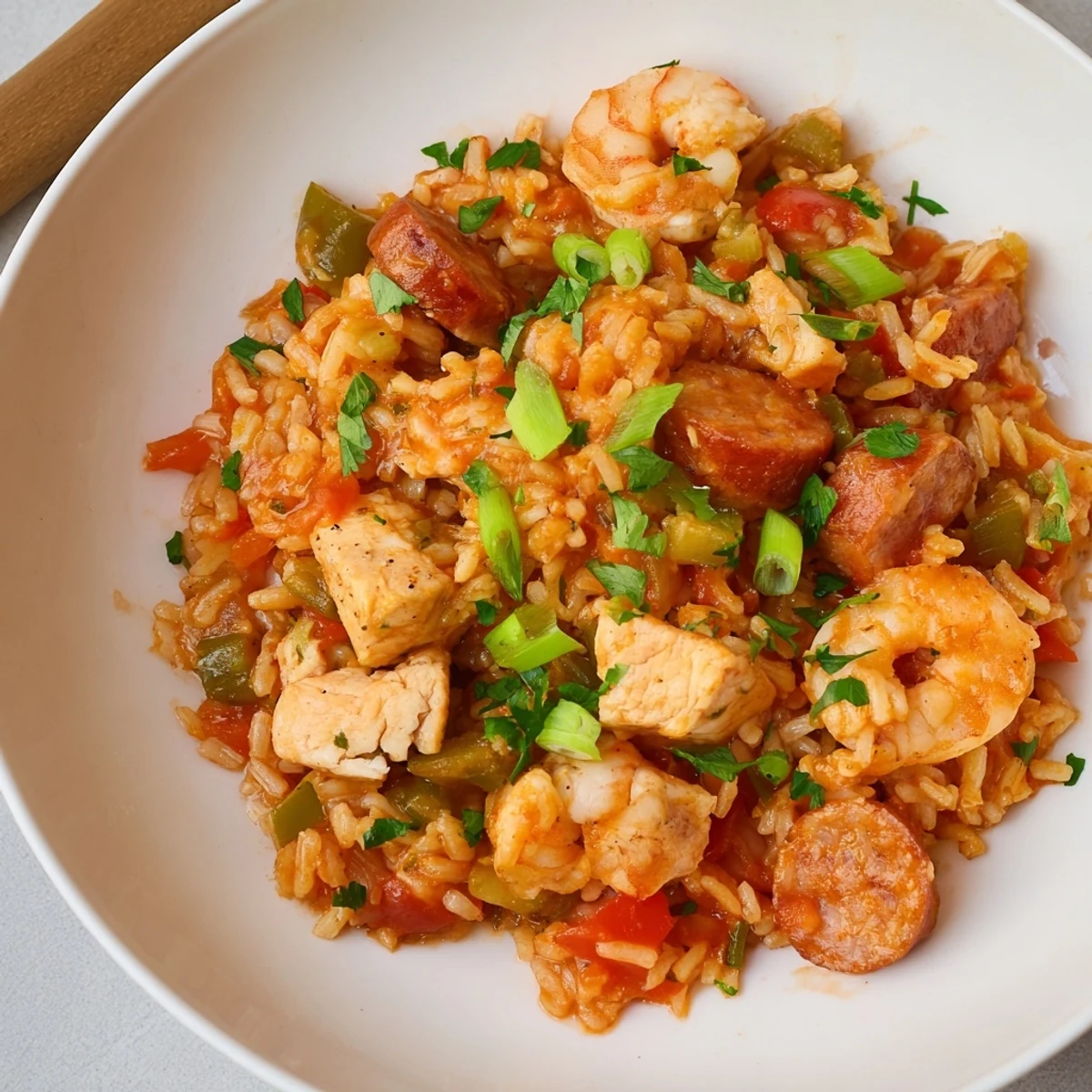
Save This Mardi Gras-inspired Creole classic blends tender chicken, juicy shrimp, and andouille sausage with diced tomatoes, bell pepper, celery, and fragrant spices. Cooked slowly with long-grain rice and chicken stock, the dish develops deep, festive flavors perfect for celebration. Garnished with fresh parsley and spring onions, it offers a harmonious balance of heat and aroma typical of Southern cooking.
The method involves browning proteins, sautéing aromatics, layering spices, then simmering together until the rice is tender and shrimp is perfectly cooked. Ideal for a medium-difficulty, hearty main dish and pairs beautifully with crusty bread or crisp white wine.
The aroma of jambalaya simmering on my stove takes me back to a tiny apartment kitchen years ago, where a roommate from Louisiana taught me that the holy trinity of onion, celery, and bell pepper deserves to be cooked slowly until it practically melts into the pot. We danced around each other in that cramped space, taking turns stirring and adjusting seasonings, while the rest of our friends gathered in the living room waiting for the feast. That night taught me that jambalaya isn't just about following a recipe—it's about patience, layers of flavor building on each other, and the joy of feeding a crowd something that makes them close their eyes and savor every bite.
Last February, I made a triple batch for a Mardi Gras party that started small and somehow grew to twenty people. My stockpot was bubbling away on the back burner while guests kept arriving, and I watched the pot like a hawk, terrified I'd burn the bottom. Someone put on a jazz playlist, another friend brought beads, and suddenly my dining room felt like the French Quarter. The jambalaya disappeared in fifteen flat, and three people asked for the recipe before they even left.
Ingredients
- Chicken breasts: Cutting them into uniform pieces ensures everything cooks at the same speed and stays juicy
- Shrimp: Add them at the very end so they stay plump and tender—overcooked shrimp are rubbery and sad
- Andouille sausage: This is the flavor powerhouse, so dont substitute too lightly, though smoked sausage works in a pinch
- The holy trinity: Onion, bell pepper, and celery form the foundation of Creole cooking—take your time here
- Long-grain white rice: Short-grain rice turns to mush, so reach for something that stays separate and fluffy
- Smoked paprika: This brings that beautiful smoky depth without needing a smoker
- Cayenne pepper: Start with half if youre heat-sensitive, but dont skip it entirely
Instructions
- Build your flavor foundation:
- Heat that oil in your heaviest pot over medium-high, then add your chicken and sausage, letting them develop a gorgeous brown crust and render some of that precious fat into the pan.
- Sweat the trinity:
- Toss in your onion, bell pepper, and celery, stirring occasionally for about five minutes until they're softened and fragrant, then add garlic for just one minute so it doesnt turn bitter.
- Wake up your spices:
- Stir in smoked paprika, thyme, oregano, cayenne, salt, and pepper, letting them bloom in the hot vegetables for thirty seconds before adding tomatoes with their juice.
- Bring it all together:
- Add rice and bay leaves, return the browned meat to the pot, pour in your stock, and bring everything to a rolling boil.
- Let it simmer:
- Reduce heat to low, cover tightly, and cook for twenty minutes, resisting the urge to peek too often as that steam is what cooks the rice through evenly.
- Add the shrimp finish:
- Toss in your shrimp, cover again, and cook just five to seven more minutes until they're pink and curled, then discard bay leaves and adjust seasonings before scattering green onions and parsley on top.
 Save
Save My neighbor smelled this cooking through our open windows last spring and showed up at my door with an empty container and the best excuse I've ever heard. She said her grandmother from Baton Rouge would be proud, which might be the highest compliment I've ever received on my cooking.
Make It Your Own
I've learned that jambalaya forgives many substitutions. Swap in turkey kielbasa for something lighter, throw in some okra if you've got it, or use brown rice if you don't mind it being a bit heartier. One memorable version happened when I was out of shrimp and used crawfish tails instead—my family still talks about that one.
The Art of Roux-Free Jambalaya
Unlike gumbo, jambalaya doesn't require a roux, which makes it more approachable for weeknight cooking. The rice itself provides the thickening power, absorbing liquid and releasing starch as it cooks. This is why stirring too frequently can break up the grains and make your final texture gummy.
Serving It Up Right
A warm crusty baguette is essential for mopping up every last drop of those spiced juices at the bottom of the bowl. I also love setting out hot sauce, extra green onions, and maybe some coleslaw on the side to cut through the richness. Some friends insist on a cold beer, while I pour a crisp white wine that stands up to the bold spices without disappearing.
- Warm your bowls before serving so the jambalaya stays hot longer
- Serve extra hot sauce on the table so heat lovers can customize
- Have plenty of napkins ready—this is finger food at heart
 Save
Save There's something deeply satisfying about serving a dish that makes people pause midconversation to savor a bite. Maybe that's the real magic of jambalaya—it turns dinner into a moment worth lingering over.
Recipe FAQs
- → What type of rice works best for this dish?
-
Long-grain white rice is preferred as it absorbs flavors well and cooks to a fluffy texture without becoming mushy.
- → Can I adjust the spiciness level?
-
Yes, increase cayenne pepper or add hot sauce gradually to suit your heat preference without overpowering the dish.
- → What alternatives exist for andouille sausage?
-
Smoked sausage or turkey sausage can be used as substitutes, adjusting for flavor and dietary needs.
- → How do I avoid overcooking the shrimp?
-
Add shrimp near the end of the cooking process and simmer just until they turn pink and opaque for tender texture.
- → What garnishes complement this dish?
-
Fresh spring onions and chopped parsley add bright color and fresh herbal notes to finish the dish.