
 Save
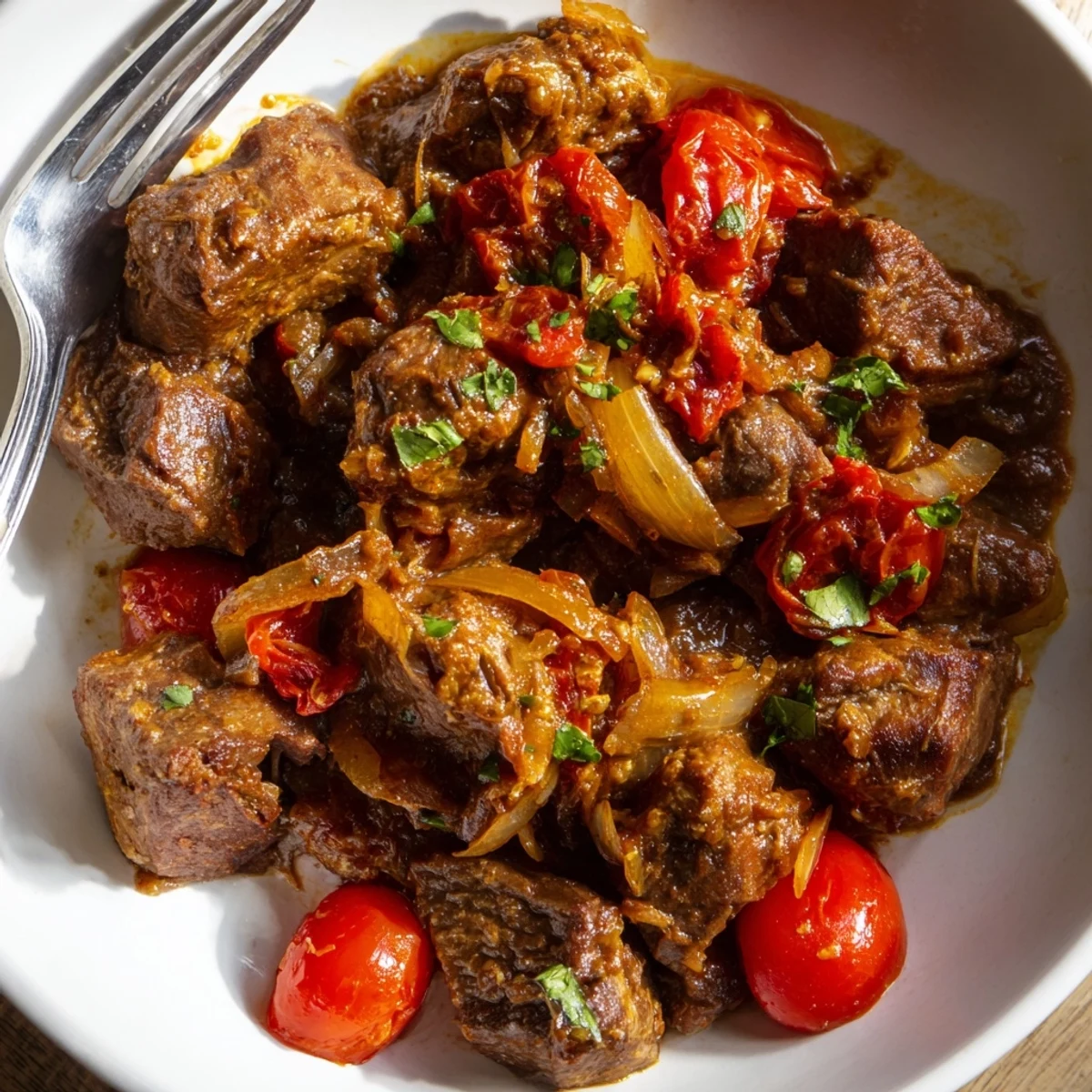
Save This wet fry starts by simmering bite-sized goat with onions, garlic and ginger until tender, then finishing the meat in hot oil with caramelized onions, diced tomatoes and green chilies. Paprika, ground coriander and black pepper build depth while the sauce reduces to a glossy, clingy finish. Stir in fresh coriander and serve hot with ugali, rice or chapati; brown the meat first for extra richness and adjust chilies to taste.
The first time goat wet fry made its way into my kitchen, it was a rainy Saturday and the thought of anything slow-cooked was irresistible. The scent of onions sizzling, mingling with that first fragrant waft of coriander, felt like my tiny apartment was suddenly part of a lively Nairobi kitchen. Peeling ginger, I accidentally lost half to my grater, but salvaged what mattered—the punch of flavor that feels so intrinsic to this dish. Somehow, the whole process ends up as comforting as the first bite itself.
I cooked goat wet fry for friends one night while we argued over the best type of ugali (stiff or soft). Someone claimed the secret was letting the meat sit in its own juices, so we let the pan linger on the stove just a little longer. It turned out to be the kind of evening where no one checks their phones, and everyone’s plate is scraped clean. Kitchens are like that—conversations as much as chopping boards and simmering pots.
Ingredients
- Goat meat: Go for fresh, bone-in chunks if you can—the bones deepen the flavor and keep things tender.
- Onions: Sliced thin and divided, half for the base boil adds sweetness, the rest for frying brings depth.
- Tomatoes: Juicy, ripe tomatoes break down into the sauce, and I’ve learned patience brings out their best.
- Garlic: A necessity—mince it well so you don’t get any harsh little bits.
- Ginger: Nothing beats ginger’s warmth here, and if you’re tempted to skip it, the dish just isn’t the same.
- Green chilies: These are for those who like a little bite; seeds in or out, your call.
- Fresh coriander: Folded in at the end, it turns the whole dish green and lively—don’t hold back.
- Vegetable oil: Any neutral oil works; this is what gives everything that signature gloss.
- Salt: A little at every stage makes layers of flavor—add with a light hand and taste often.
- Black pepper: I love the hint of heat it sneaks in without overpowering the meat.
- Paprika: Choose smoked if you like, and it’ll bring even more depth and color.
- Ground coriander: Its floral note is unmistakable—don’t overlook it.
- Turmeric powder: Totally optional, but it gives a gentle golden hue if you’re feeling colorful.
- Water: Just enough to coax the goat into tenderness, not so much that it turns soupy.
Instructions
- Simmer the goat:
- Place your cut goat meat in a large saucepan, scatter over half the onions, garlic, ginger, and half your salt. Pour in water to barely cover, then bring to a lively simmer—it’ll fill your kitchen with savory, peppery steam as the goat softens, about 25–30 minutes.
- Sauté onions:
- In a heavy-bottomed pan, heat the oil until shimmering, then add the rest of the onions; stir until they melt into golden sweetness and your spoon feels a little heavy with the caramelized edges.
- Add tomatoes and chilies:
- Toss in your diced tomatoes and green chilies, stirring until everything bubbles, thickens, and begins to cling together—it’s worth waiting for that moment when the spatula leaves tracks in the pan.
- Combine and spice:
- Tip in the simmered goat meat with any remaining juices, then stir in paprika, ground coriander, black pepper, turmeric (if you like), and the rest of the salt. Keep the pan uncovered; let it sizzle and reduce as you stir frequently, coating every morsel with glossy sauce—about 10–15 minutes.
- Finish with herbs:
- Taste and adjust, then scatter in the chopped coriander. Give it another stir for a minute or two, and everything turns vivid and aromatic, ready to serve hot.
 Save
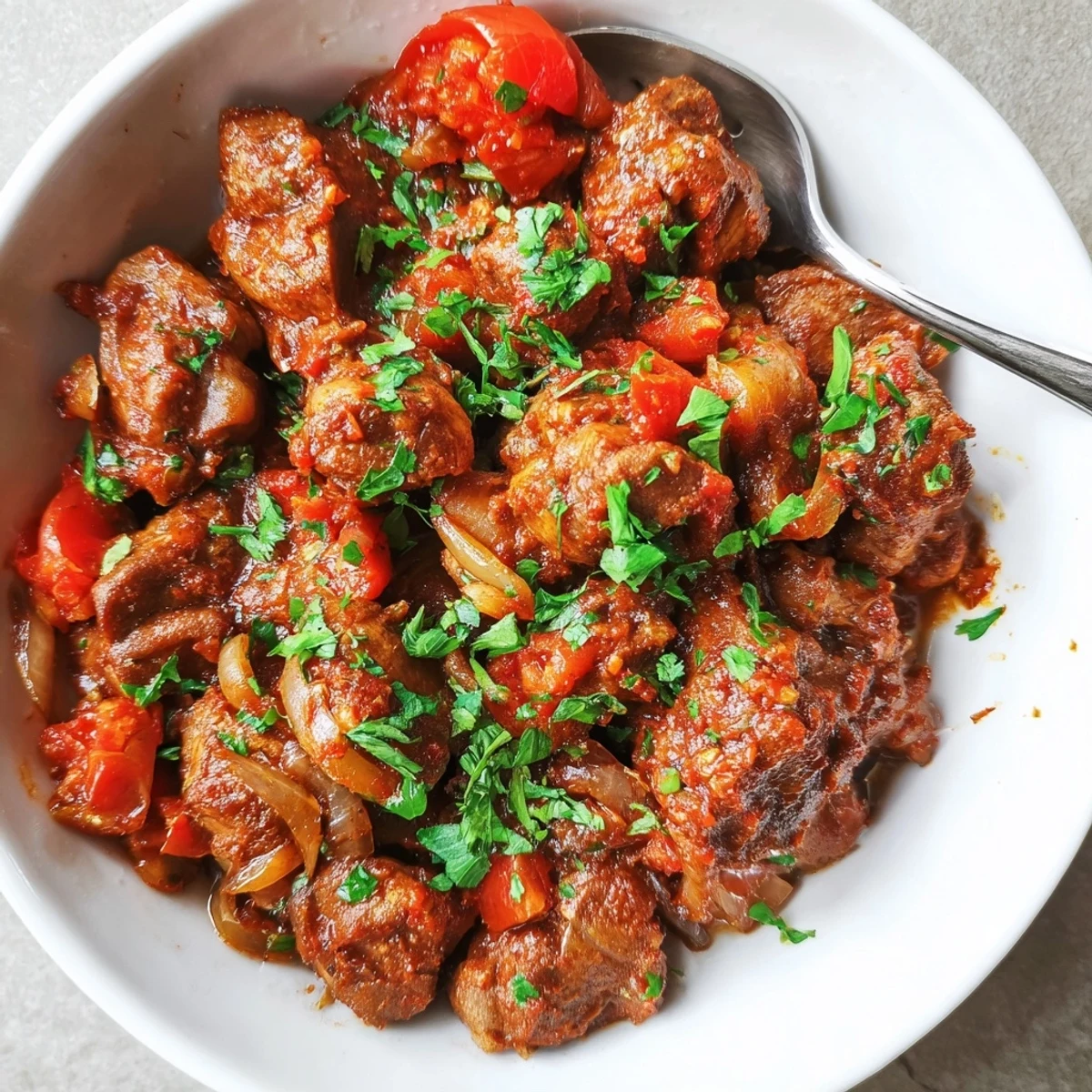
Save The moment this dish became a tradition in my kitchen was during a power cut one evening—we finished it by candlelight and laughter, hands reaching for more chapati. There’s something about that mix of savory goat and fresh coriander that kept us warm no matter the darkness outside.
Making Goat Wet Fry Shine at Home
Your choice of meat makes all the difference—don’t shy away from visiting a good butcher and asking for advice on the freshest cut or even if you should include a few bones. Sometimes, the conversations at the meat counter have gotten me new ideas or a secret tip or two for next time. Don’t worry if the pieces aren’t uniform, either; rustic shapes are part of the charm here.
Adjusting Heat and Aromatics
The green chilies are entirely up to you: sometimes I use one for a subtle tickle of heat, and sometimes three when the night calls for a kick. If you’re worried about things getting too hot, scrape out the seeds beforehand, and if you want more aroma, double up on the ginger. Over the years I’ve found it’s the ginger-garlic dance that really shapes each batch, so taste as you go.
Serving, Leftovers, and Cooking for a Crowd
Ugali is the classic partner for this dish—scoop up sauce and meat with your hands for the full experience, or use steamed rice for a more conventional meal. Any leftovers reheat well in a pan the next day with a splash of water to revive the sauce, making the flavors even more developed. When cooking for a crowd, double the quantities and keep the wet fry simmering on the lowest heat—it only improves as it waits.
- If you’re short on time, prep your vegetables and spices in advance.
- Chop coriander just before using so it doesn’t wilt and lose its bold flavor.
- Never forget to taste at every stage; the dish is forgiving as long as you adjust as you go.
 Save
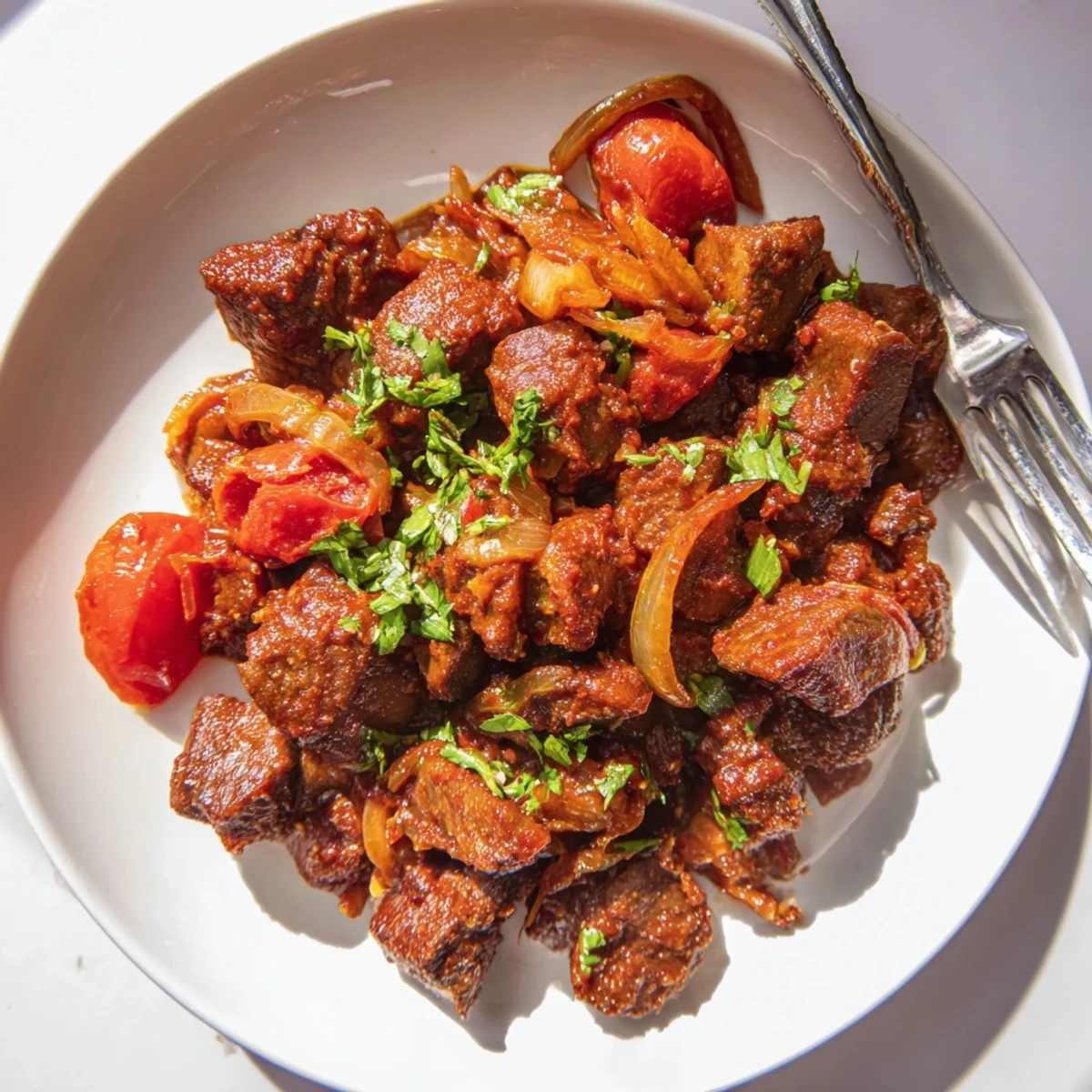
Save Cooking goat wet fry at home is as much about the delicious aroma as the satisfying meal—share it with friends, and it quickly becomes a tradition. Here’s to bold flavors and making new kitchen memories, one simmering pan at a time.
Recipe FAQs
- → What cut of goat works best?
-
Shoulder, leg or neck cuts are ideal because they have enough connective tissue to become tender and flavorful when simmered. Trim excess fat and cut into bite-sized pieces for even cooking.
- → How do I tenderize tougher goat pieces?
-
Simmer the meat gently, covered, until it is fork-tender; low, steady heat for 25–40 minutes usually helps. Browning the pieces briefly before simmering adds flavor and helps develop a richer finish.
- → Can I substitute other proteins?
-
Yes. Beef or lamb give a similar texture and benefit from the same simmer-then-fry approach. Chicken cooks faster—reduce the initial simmer time and watch closely during finishing so it stays juicy.
- → How can I control the spice level?
-
Adjust the number and type of chilies, and remove seeds to mellow heat. Paprika adds color and mild warmth; use less or choose smoked paprika for a different aroma without extra heat.
- → What are good serving suggestions?
-
Serve the wet fry hot with ugali, steamed rice or chapati to soak up the glossy sauce. A simple cucumber salad or lightly steamed greens balances the spices; a light, fruity red wine or cold beer pairs well.
- → How should leftovers be stored and reheated?
-
Cool quickly, refrigerate in an airtight container for up to 3–4 days. Reheat gently on the stove over low heat, adding a splash of water if the sauce has thickened, to restore juiciness.