
 Save
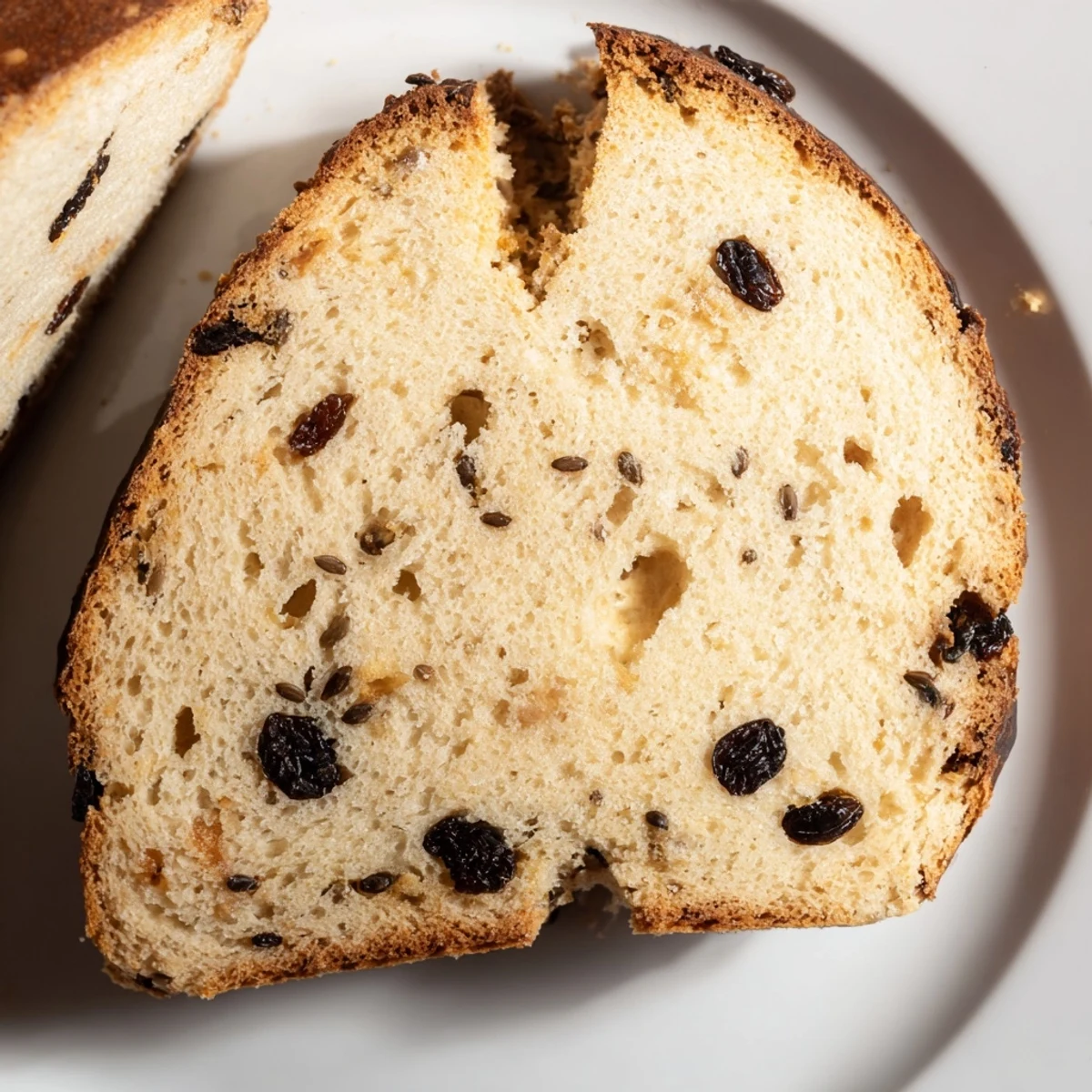
Save This Irish soda bread features a tender crumb enriched with currants and aromatic caraway seeds. Prepared quickly without yeast, it combines all-purpose flour, buttermilk, and butter to create a moist, flavorful loaf. The bread’s gentle sweetness and distinctive aroma make it a delightful choice for breakfast or afternoon tea. Baking involves a simple mix and shape process, with a classic slashed top for even cooking. Cooling before slicing ensures the best texture and taste.
The smell of caraway seeds always pulls me back to my grandmother's tiny kitchen, where she would bake soda bread on rainy Tuesday afternoons. She never measured anything, just poured flour until it felt right, her hands moving with the confidence of someone who had made this bread a thousand times. I remember watching her cut that deep X into the dough, explaining it helped the fairy folk escape, though now I know it's about the bake.
Last March, I brought a warm loaf to a St. Patrick's Day gathering, and it was the first dish to disappear completely. My friend Sarah, who usually claims she doesn't like caraway, went back for three slices and eventually admitted maybe she had been wrong all these years. There is something about the contrast between the tender crumb and the slight crunch from those seeds that makes people pause and ask what exactly they are eating.
Ingredients
- 3 1/2 cups all-purpose flour: The structure of your bread, providing the necessary gluten for that classic soda bread texture
- 1/4 cup granulated sugar: Just enough to enhance the natural sweetness of the currants without making this a dessert bread
- 1 teaspoon baking soda: The leavening agent that reacts with buttermilk to create the rise, working faster than yeast
- 1 teaspoon fine sea salt: Balances the sweetness and helps bring out the subtle nuttiness of the caraway seeds
- 2 teaspoons caraway seeds: The soul of this bread, adding that distinctive earthy, slightly anise like flavor that makes it unmistakably Irish
- 3/4 cup dried currants: Small and concentrated in sweetness, these little jewels distribute evenly throughout the loaf for bursts of flavor in every bite
- 1 3/4 cups buttermilk: The acid that activates the baking soda while creating a tender, moist crumb that stays fresh longer than you would expect
- 4 tablespoons unsalted butter, melted: Adds richness and helps create a golden, slightly crisp crust that protects the soft interior
- 1 large egg: Provides structure and helps bind the dough together, contributing to a lighter texture
Instructions
- Get your oven ready:
- Preheat to 400°F and line your baking sheet with parchment, because this dough needs to go straight into a hot environment for proper rise
- Mix the dry foundation:
- Whisk together flour, sugar, baking soda, salt, and caraway seeds in a large bowl until everything is evenly distributed
- Add the currants:
- Stir them in gently so they are well incorporated but not crushed, ensuring they will be scattered throughout the final loaf
- Combine the wet ingredients:
- Whisk buttermilk, melted butter, and egg in a separate bowl until the mixture is smooth and slightly thickened
- Bring it together:
- Pour the wet mixture into the dry and stir with a wooden spoon just until combined, fighting the urge to keep mixing
- Shape your loaf:
- Turn the sticky dough onto a floured surface and gently knead just enough to form a round, about 8 inches wide, handling it as lightly as possible
- Mark the cross:
- Transfer to your prepared baking sheet and cut a deep X across the top, then brush with a little extra buttermilk for that signature golden finish
- Bake until golden:
- Slide into the oven for 35 to 40 minutes until the crust is deeply browned and a skewer comes out clean from the center
- Patience pays off:
- Let the bread cool on a wire rack for at least 30 minutes before slicing, or the steam will escape and leave you with a gummy texture
 Save
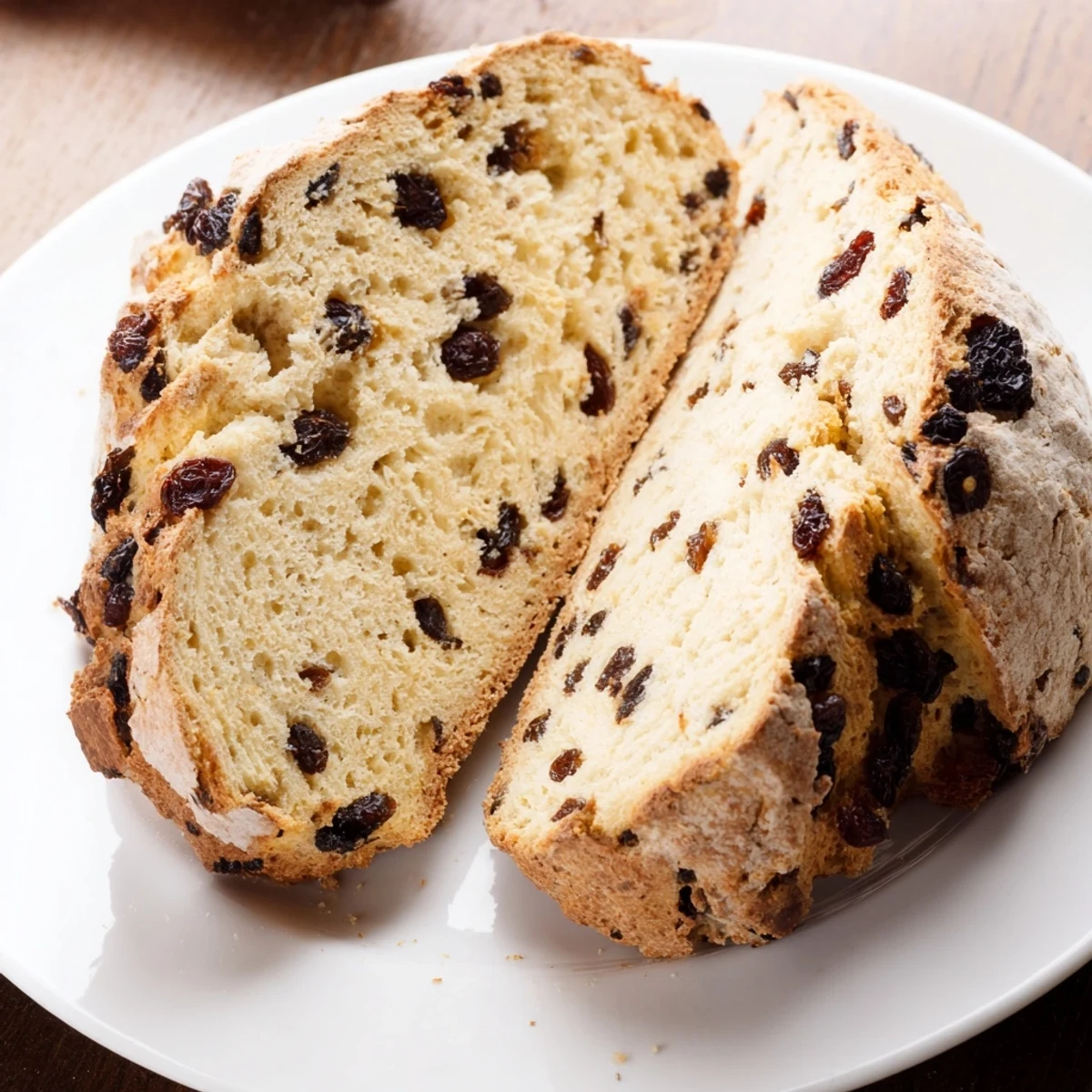
Save This bread became my go to for housewarming gifts after a neighbor mentioned it reminded her of summers at her grandmother's cottage in County Cork. Something about the combination of caraway and currants carries this incredible nostalgia, even for people who have never been to Ireland.
Making It Your Own
Half whole wheat flour works beautifully if you want more depth and a slightly nuttier flavor profile. The trick is keeping the ratio balanced so you do not lose that characteristic tenderness that makes soda bread so satisfying.
Serving Suggestions
While this is perfect with salted butter straight from the oven, I have learned that a sharp cheddar and some apple slices make an unexpected but brilliant pairing for afternoon snacking. The sweetness of the currants plays so nicely with savory elements.
Storage and Freshness
Soda bread is best the day it is made, but wrapping it tightly in foil and refreshing it in a 350°F oven for 10 minutes brings back that just baked magic. The texture will be slightly denser on day two but still incredibly good, especially toasted with a generous layer of salted butter.
- Freeze the whole loaf if you will not eat it within 24 hours, wrapped well in plastic and then foil
- Toasting day old soda bread transforms the texture completely, making it perfect for hearty soups or stews
- The caraway flavor intensifies slightly after a day, so if you are unsure about it, enjoy the bread fresh
 Save
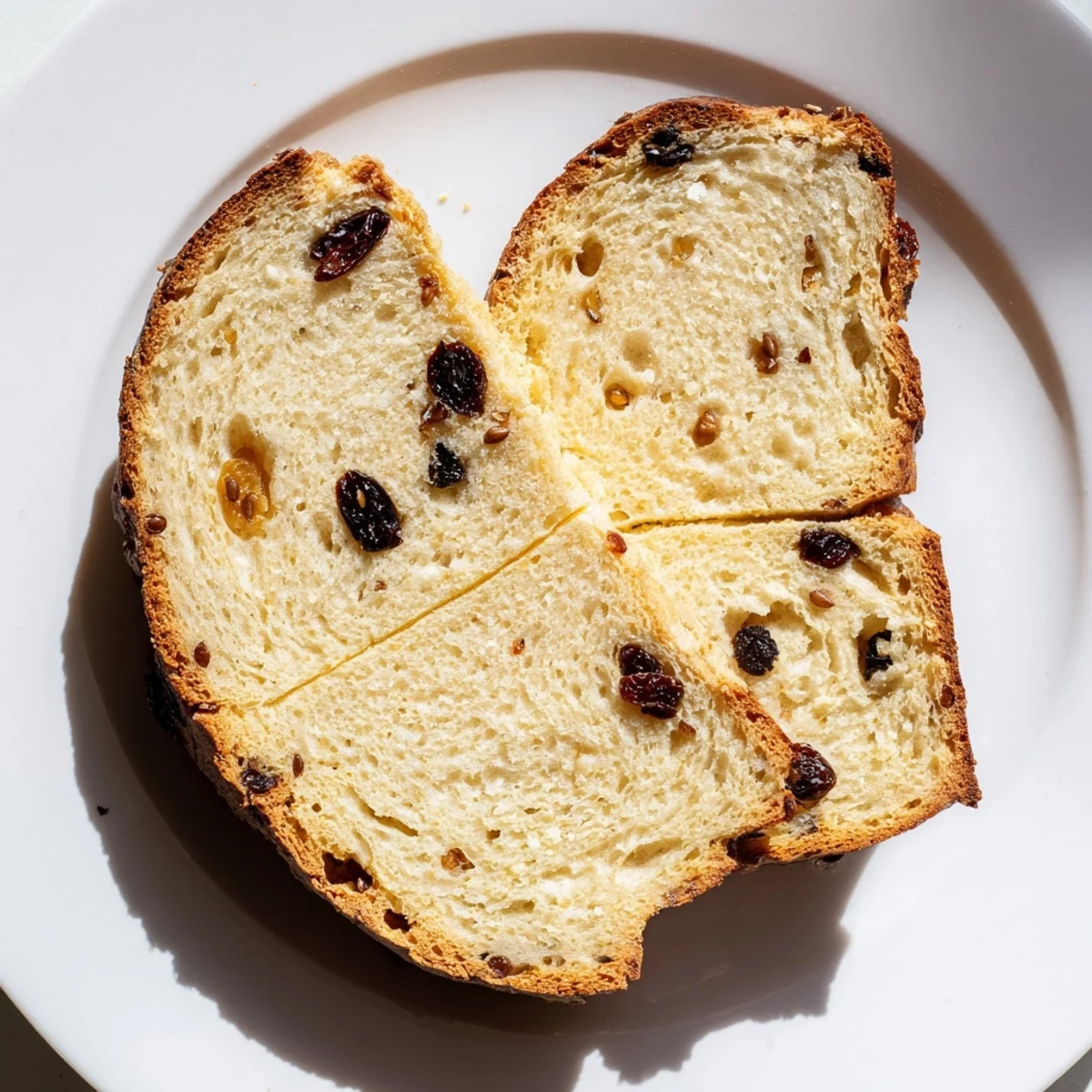
Save Every time I pull a steaming loaf from the oven, I am reminded of how something so simple can bring so much comfort. That first slice, still warm from the baking sheet, is worth every minute.
Recipe FAQs
- → What gives this bread its distinct aroma?
-
Caraway seeds provide a warm, slightly sweet and earthy aroma that pairs beautifully with the currants.
- → Can I substitute currants with another dried fruit?
-
Yes, raisins or dried cranberries work well as alternatives to currants, adding a similar sweetness and texture.
- → Why is baking soda used instead of yeast?
-
Baking soda acts as a leavening agent that reacts with buttermilk to give a quick rise, making the bread fast and easy to prepare.
- → How do I know when the bread is fully baked?
-
The bread is done when its crust is golden brown and a skewer inserted into the center comes out clean.
- → Can I use whole wheat flour in this bread?
-
Yes, substituting half the all-purpose flour with whole wheat flour adds a richer flavor and heartier texture.