
 Save
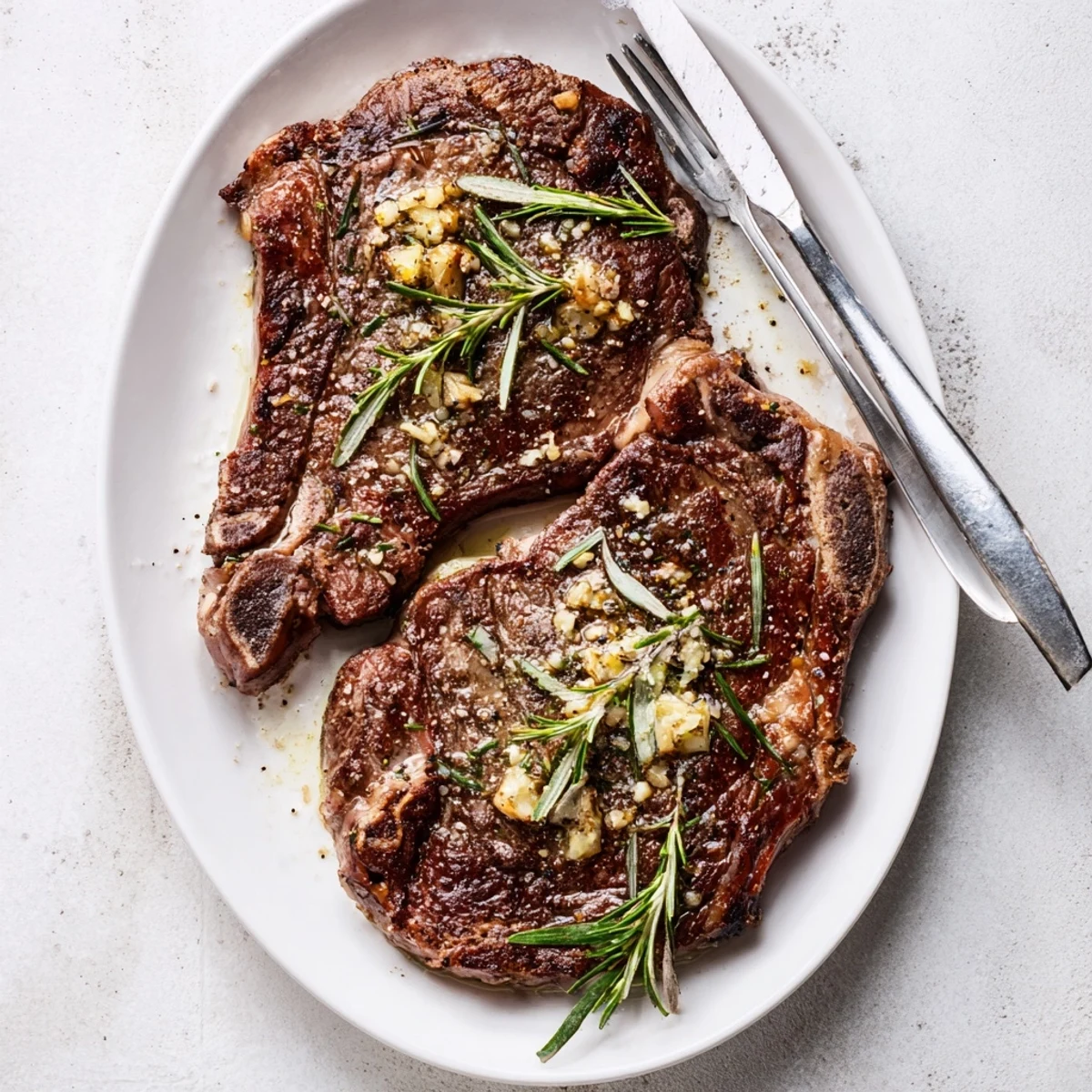
Save This pan-seared steak delivers restaurant-quality results with a rich garlic butter finish. The technique involves searing ribeye steaks over high heat to develop a caramelized crust, then basting continuously with melted butter infused with garlic and fresh herbs. This method creates incredibly juicy, flavorful steak with that professional steakhouse touch. The entire process takes just 25 minutes from start to finish, making it perfect for weeknight dinners or special occasions when you want something impressive but uncomplicated.
The sizzle of a steak hitting a screaming hot cast iron pan is one of those sounds that makes everyone in the house wander into the kitchen asking when dinner will be ready. My neighbor Dave once heard it through the open window and showed up at my door with a bottle of Malbec fifteen minutes later. Garlic butter basting turned a simple Tuesday night into something that felt stolen from a steakhouse menu, and honestly, I have not looked back since.
Rainy Sunday evenings became my steak night ritual after I burned my first attempt and learned that patience with the pan temperature changes everything. My partner now refuses to order steak at restaurants because, in her words, we do it better at home for a fraction of the price. That sentence alone made every ruined cut worth the lesson.
Ingredients
- Ribeye steaks (2, about 1 inch thick, 250g each): The marbling in ribeye is what makes this recipe sing, so do not cheap out on the cut if you can help it.
- Unsalted butter (3 tablespoons): Unsalted gives you total control over seasoning and lets the garlic shine without competing with added salt.
- Olive oil (1 tablespoon): Used for the initial sear because it handles high heat better than butter alone without burning.
- Garlic cloves (4, finely minced): Fresh garlic is non negotiable here, and mincing it fine ensures the flavor disperses evenly into the butter.
- Fresh rosemary sprigs (2): Thyme works too, but rosemary infuses the butter with a piney warmth that pairs perfectly with beef.
- Salt and freshly ground black pepper: Be generous with both, as a good crust depends heavily on proper seasoning.
Instructions
- Temper the steaks:
- Pull the steaks from the fridge twenty minutes before cooking and pat them bone dry with paper towels because moisture is the enemy of a good crust.
- Season generously:
- Coat both sides with salt and pepper like you mean it, pressing the seasoning into the meat with your hands so it adheres properly.
- Get the pan ripping hot:
- Heat olive oil in your cast iron skillet over high heat until you see the faintest wisp of smoke rising from the surface.
- Build the crust:
- Lay the steaks in the pan and do not touch them for two to three minutes per side, letting the Maillard reaction do its beautiful work.
- Baste with garlic butter:
- Drop the heat to medium, add butter, garlic, and rosemary, then tilt the pan and spoon that fragrant, foaming butter over the steaks repeatedly for two to three minutes.
- Rest before slicing:
- Transfer the steaks to a warm plate and let them sit undisturbed for five minutes so the juices redistribute instead of spilling onto your cutting board.
 Save
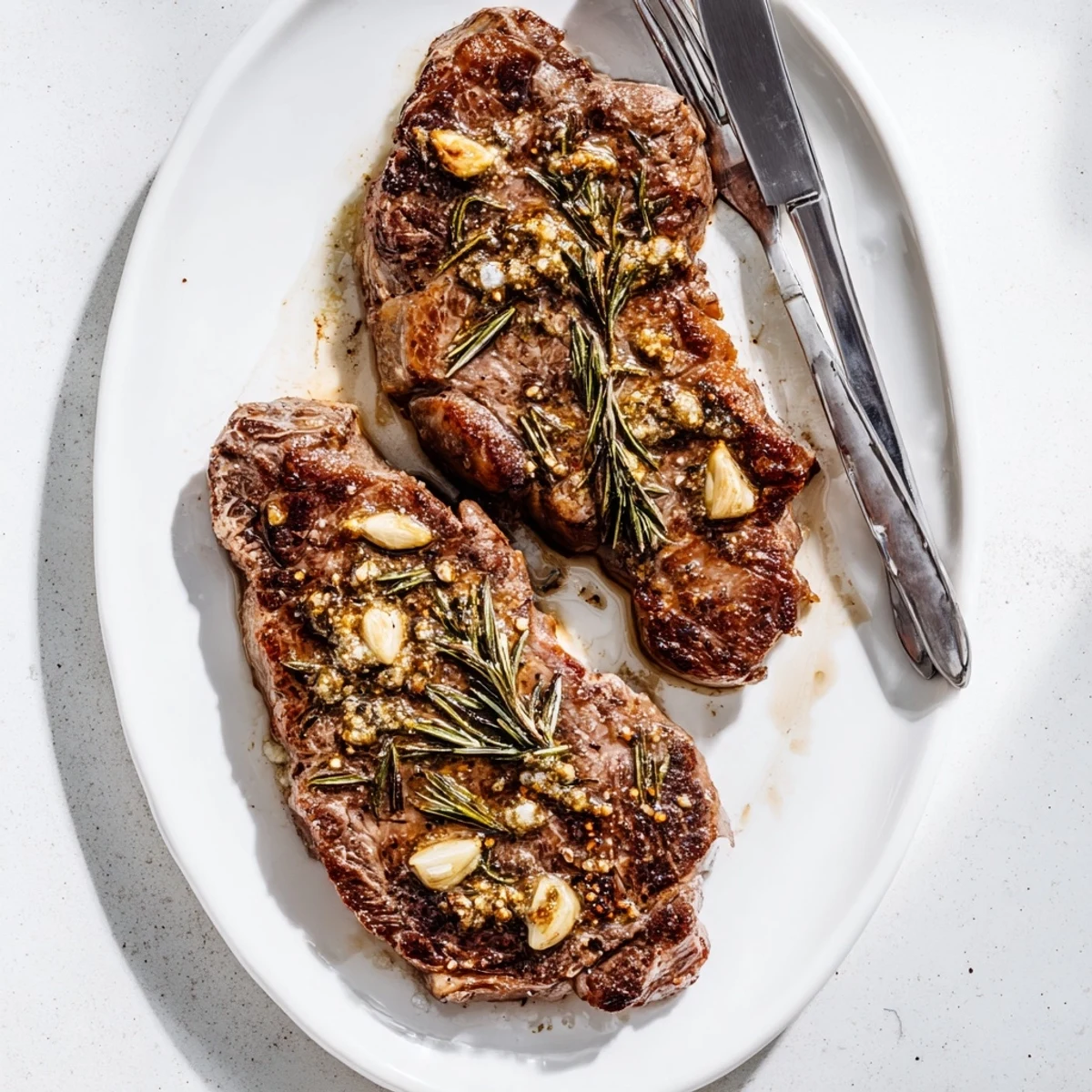
Save The first time I got the basting rhythm right, I stood there spooning butter in circles like some kind of kitchen meditation, and the steak came out with a crust so perfect I actually took a photo of it. That meal turned a regular weeknight into a small celebration, and my dog sat by the table the entire time looking deeply betrayed that she was not invited.
What to Serve Alongside
Roasted potatoes tossed in the leftover pan butter are an obvious move, but a crisp green salad with something acidic cuts through the richness in exactly the right way. Steamed asparagus or charred broccolini also belong on the plate if you want to feel virtuous about eating a half pound of buttered beef.
Picking the Right Wine
A bold Cabernet Sauvignon stands up to the richness of ribeye like nothing else, though a Malbec works beautifully if you prefer something a bit softer. Pour the wine while the steaks rest and the kitchen still smells like garlic and rosemary, because that is the kind of moment worth lingering in.
Getting the Doneness Right
A meat thermometer takes the guesswork out of steak entirely, and medium rare at 130 degrees Fahrenheit is where ribeye shows off its best texture and flavor.
- Always insert the thermometer into the thickest part of the steak from the side, not the top.
- Carryover cooking means the steak keeps warming slightly as it rests, so pull it just before your target temperature.
- A splash of lemon juice or a pinch of flaky sea salt at the very end can elevate the final dish in ways that surprise people.
 Save
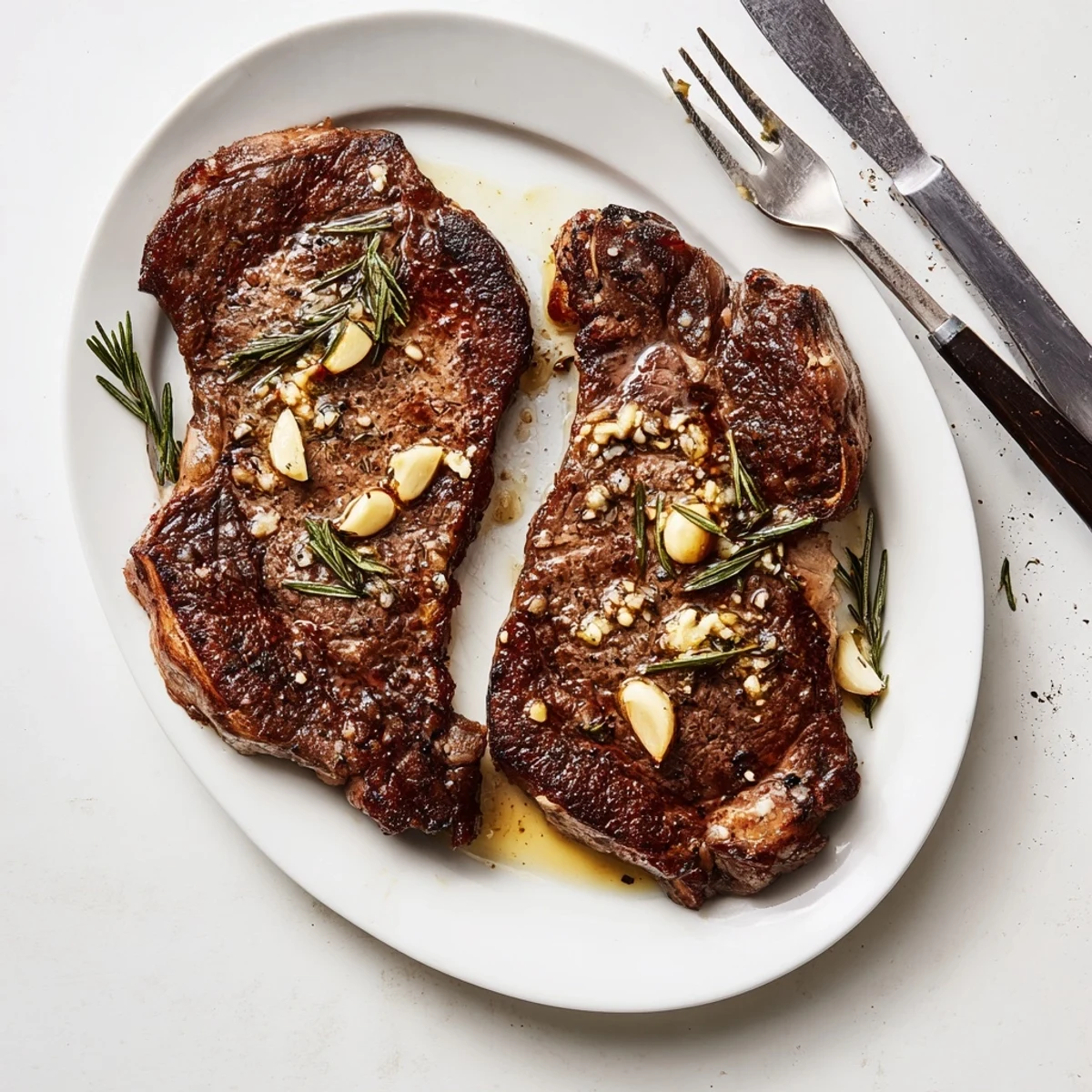
Save Garlic butter steak is proof that a handful of good ingredients and a hot pan can create something extraordinary any night of the week. Share it with someone you love, or keep it all to yourself with no judgment from me.
Recipe FAQs
- → What cut of steak works best for garlic butter preparation?
-
Ribeye steaks are ideal due to their marbling and rich flavor, but sirloin, New York strip, or filet mignon also work beautifully. Choose cuts at least one inch thick for proper searing.
- → Why should steaks rest before cooking?
-
Bringing steaks to room temperature ensures even cooking throughout. Cold meat can sear too quickly on the outside while leaving the center undercooked.
- → How do I know when the steak reaches medium-rare?
-
Use a meat thermometer to check the internal temperature. Medium-rare reaches 130°F-135°F (54°C-57°C). If you don't have a thermometer, press the center with your finger—it should feel like the fleshy part of your palm below your thumb.
- → What's the purpose of basting with butter?
-
Basting infuses the steak with flavor from the garlic, herbs, and browned butter. It also helps cook the top of the steak while creating a beautifully glossy, restaurant-quality finish.
- → Can I use dried herbs instead of fresh rosemary?
-
Fresh rosemary or thyme provides the best flavor, but dried herbs work in a pinch. Use about one-third the amount of dried herbs since they're more concentrated.
- → Why rest the steak after cooking?
-
Resting allows the juices to redistribute throughout the meat. Cutting into a steak immediately causes flavorful juices to escape onto the plate, leaving the meat drier.