
 Save
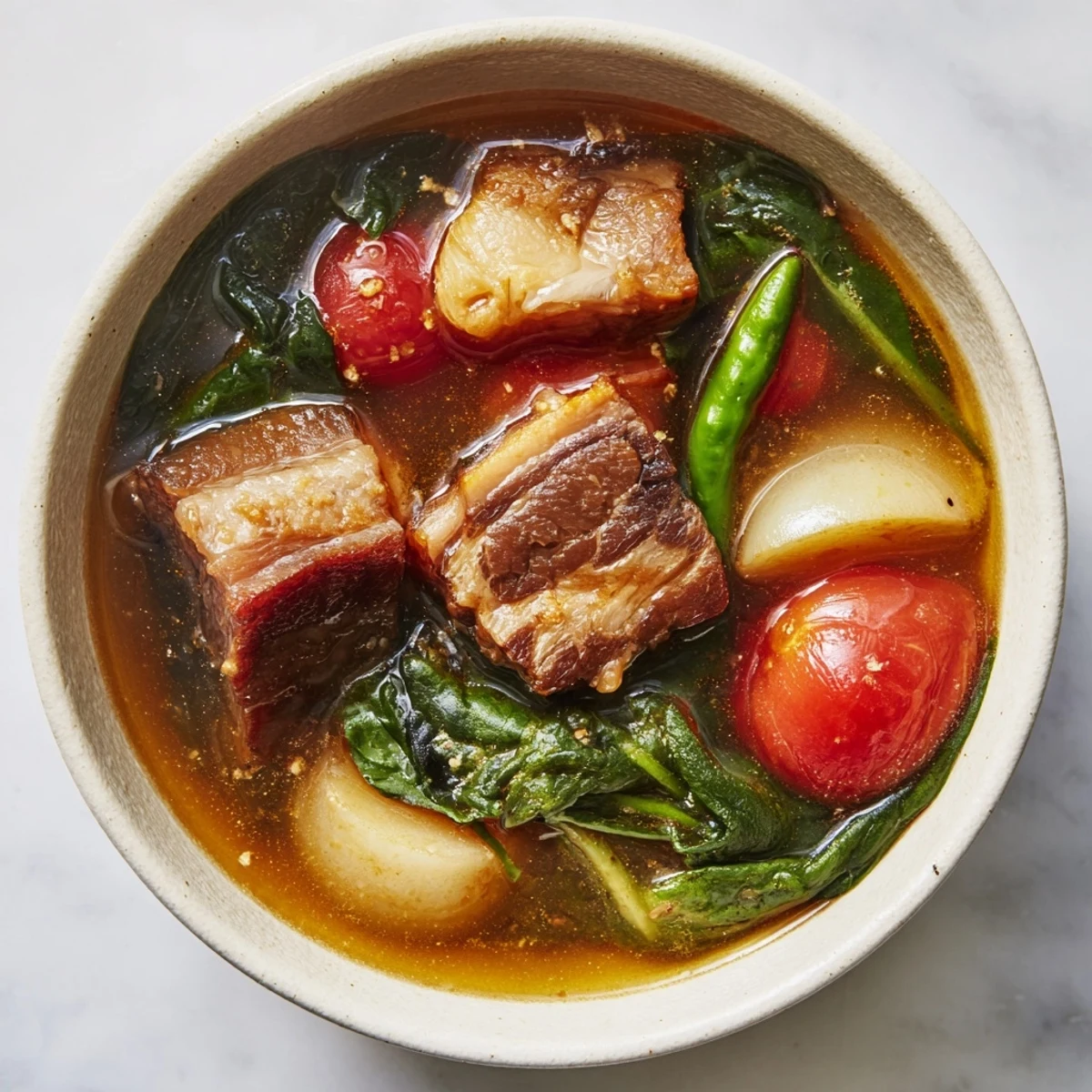
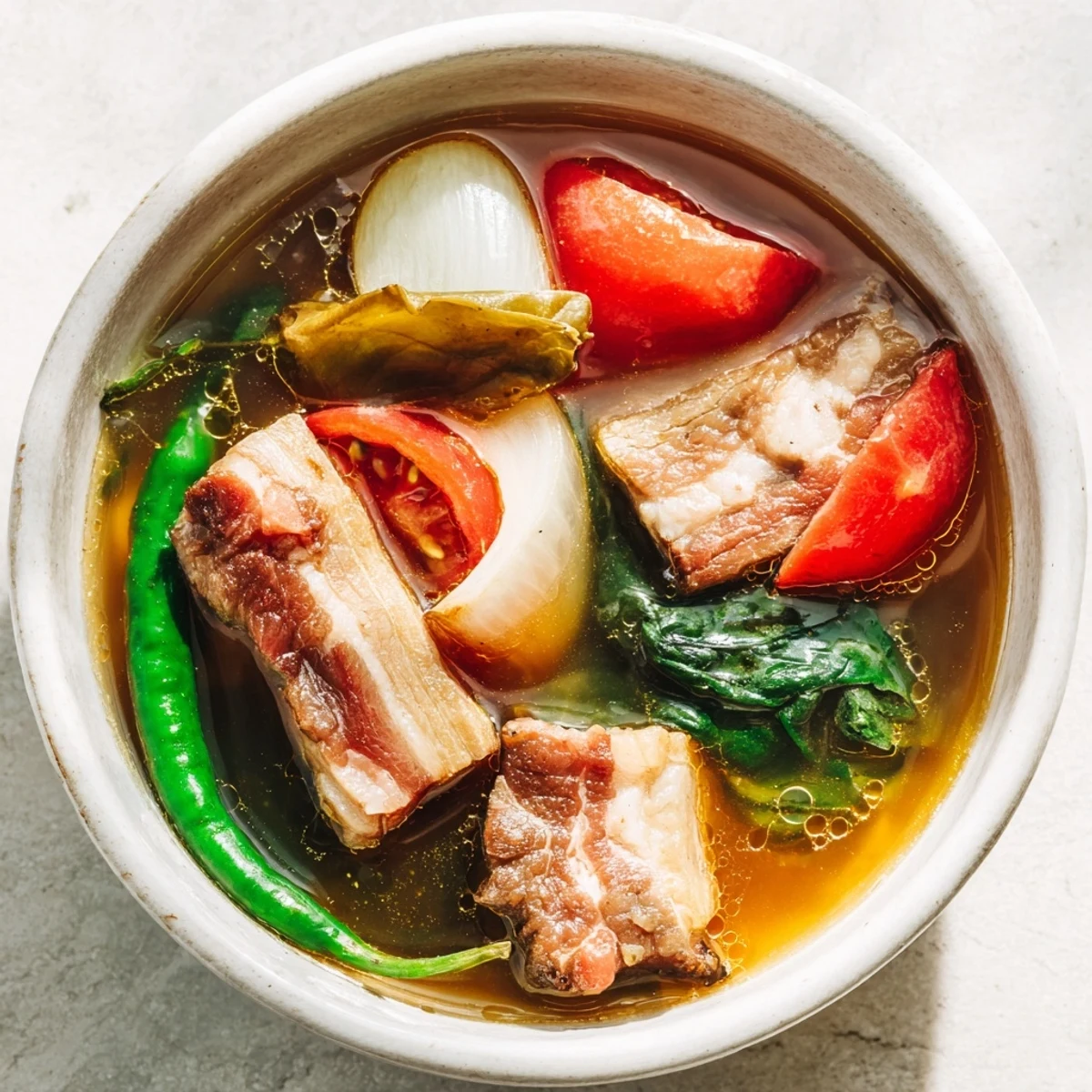
Save Experience the authentic flavors of Filipino cuisine with this classic sinigang, a beloved sour soup that embodies comfort food tradition. The dish features succulent pork simmered to perfection alongside fresh vegetables like daikon radish, eggplant, and string beans, all swimming in a distinctive tangy broth that's both refreshing and satisfying.
The signature sourness comes from tamarind, which creates that perfect balance of flavors Filipinos cherish. Each spoonful delivers a harmonious blend of savory, sour, and slightly spicy notes that warm you from within. Best enjoyed steaming hot with fluffy white rice, this soup brings families together and transforms any meal into a cozy gathering.
The first time my grandmother made Sinigang during a typhoon, I was convinced she had mistakenly added something wrong to the pot. That sharp, mouth-watering tang hit me before I even saw the bowl, and I wrinkled my nose at this strange soup that smelled like nothing I had ever encountered. Then she ladled me a portion with extra pork, her eyes twinkling as she watched me take that first uncertain sip. The way the sour broth warmed me from the inside out, while rain hammered against the windows, became one of my most vivid childhood comfort memories.
Last winter, when my partner came down with a terrible cold, I decided Sinigang would be better than chicken soup. The sour steam from the pot filled our small apartment while the vegetables simmered, and something about that tangy aroma seemed to clear the air before anyone even took a bite. They ate two bowls that night, claiming the soup somehow made breathing easier. Now whenever someone mentions feeling under the weather, I automatically start reaching for the tamarind mix.
Ingredients
- 1 kg pork belly or pork ribs: The fat from pork belly adds richness, but ribs give incredible depth to the broth. Cut into manageable chunks so each spoonful gets some meat.
- 2 medium tomatoes: These break down during simmering and add a subtle sweetness that balances the sourness.
- 1 large onion: Quartered rather than chopped so it holds its shape in the long simmer.
- 1 daikon radish: Peeled and sliced into half-moons, this absorbs the sour broth beautifully and becomes incredibly tender.
- 10 string beans: Trimmed and cut into 2-inch pieces, they add a fresh crunch and vibrant color.
- 1 eggplant: Sliced rounds that soak up the broth like little sponges.
- 2 cups spinach or kangkong: Added at the very end for just a minute until wilted.
- 1 packet tamarind soup base mix: The backbone of that signature sour flavor. Fresh tamarind pulp works too but requires extra work.
- 2 tbsp fish sauce: Adds that essential umami depth. Substitute with salt if needed.
- 1 tsp salt and pepper: Adjust these at the end after the tamarind has fully flavored the broth.
- 6 cups water: Start with this amount, you can always add more if the soup reduces too much.
Instructions
- Start the pork broth:
- Bring water to a boil in a large pot and add pork chunks, skimming off any gray foam that rises to the top for a clearer broth.
- Add the aromatics:
- Drop in tomatoes and onion, then simmer for 20 minutes until the pork starts becoming tender.
- Cook the hearty vegetables:
- Add daikon radish slices and let them cook for 10 minutes until they begin to soften.
- Add the remaining vegetables:
- Stir in eggplant, string beans, and whole chili peppers if using, simmering for 5 minutes.
- Create the sour broth:
- Dissolve the tamarind soup base into the soup, or strain fresh tamarind pulp if you are making it from scratch.
- Season perfectly:
- Add fish sauce, salt, and pepper, tasting and adjusting until the balance of sour and salty feels right.
- Finish with greens:
- Drop in spinach or kangkong leaves and simmer for just 2 to 3 minutes until they wilt but stay bright.
- Serve immediately:
- Ladle hot soup over steaming white rice in bowls.
 Save
Save My sister once requested Sinigang for her birthday dinner instead of cake, something I found both baffling and endearing. We made a massive pot that fed everyone standing around the kitchen island, spoons in hand, debating whether the batch was sour enough or needed more heat. That night became less about the food and more about how this simple soup could bring six people together, laughing over bowls and comparing who made the best version.
Making It Your Own
I have learned that Sinigang is more of a template than a strict recipe, adapting to whatever vegetables are in season or languishing in my refrigerator crisper drawer. Sometimes I add okra when I find it at the market, other times I throw in taro for extra heartiness. The beauty is that as long as you keep that sour-savory balance intact, the dish remains recognizably itself while being completely yours.
The Fresh Tamarind Choice
There is nothing quite like making Sinigang with fresh tamarind pods, though it requires patience you might not have on a weeknight. Boiling, mashing, and straining the pulp takes extra time, but the resulting broth has a brightness the mix cannot quite replicate. I save this method for weekends when I am feeling nostalgic and have twenty minutes to spare.
Serving and Storing
This soup is actually better the next day, once the flavors have had time to meld together in the refrigerator. I always make a double batch if I can, portioning the leftovers into containers for quick weekday lunches. The vegetables will soften considerably, but the broth develops an even deeper character.
- Reheat gently to avoid overcooking the vegetables further
- Add fresh spinach when reheating to brighten up the leftovers
- Keep a little extra tamarind mix handy to adjust the sourness if needed
 Save
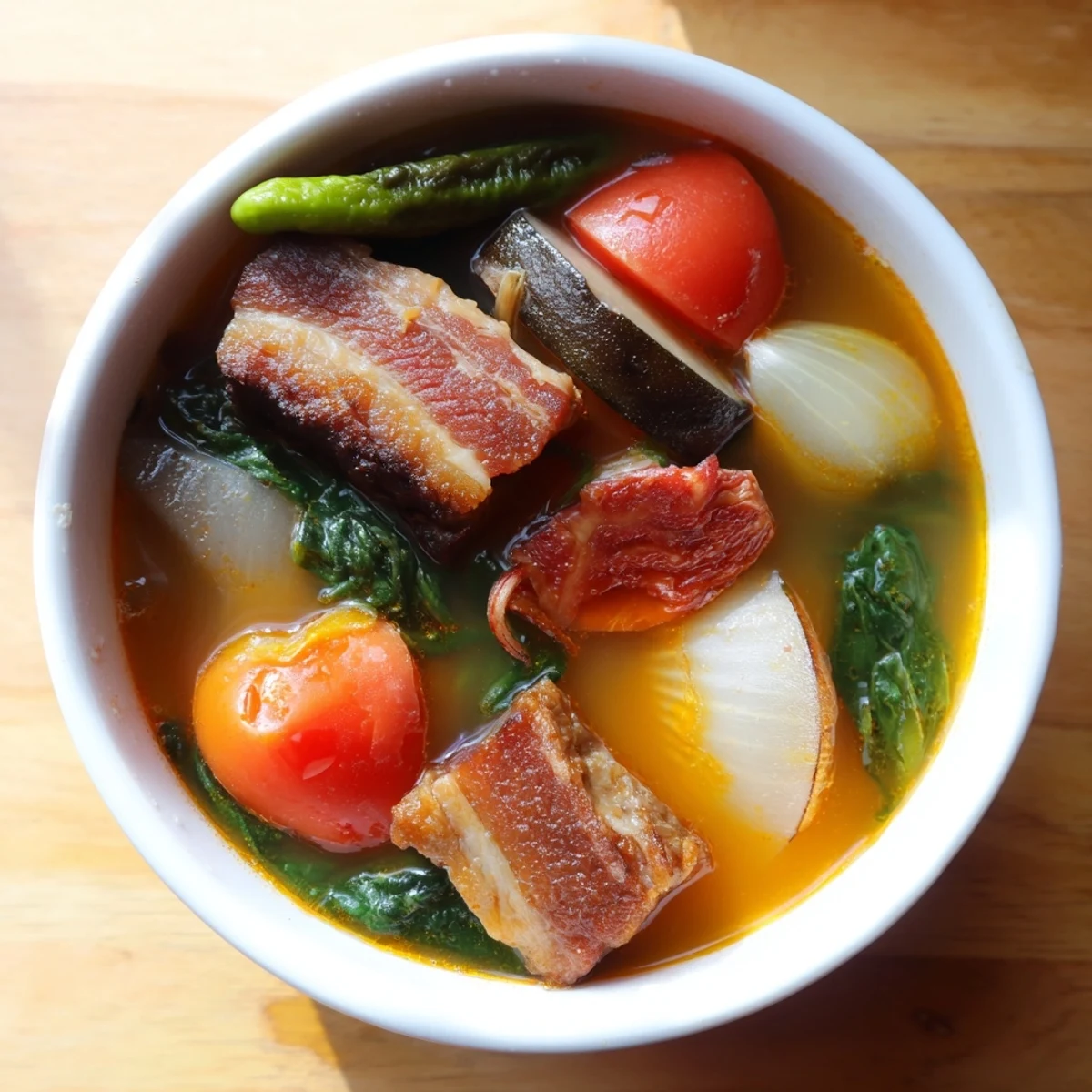
Save Whether you are making this on a rainy day or just need something that tastes like home, Sinigang has a way of making everything feel right again. There is comfort in that first spoonful, something that goes beyond hunger and settles somewhere deeper.
Recipe FAQs
- → What makes sinigang sour?
-
The signature tanginess comes from tamarind, either fresh pulp or soup base mix. This natural souring agent creates the distinctive flavor that Filipinos love. You can also use other sour fruits like guava, calamansi, or kamias as alternatives.
- → Can I make sinigang with other proteins?
-
Absolutely! While pork belly or ribs are traditional, you can easily substitute with beef, shrimp, or fish. Seafood versions are lighter and quicker to prepare—add shrimp or fish during the last 10 minutes to prevent overcooking.
- → What vegetables work best in sinigang?
-
Classic additions include daikon radish, eggplant, string beans, tomatoes, onions, and leafy greens like spinach or kangkong (water spinach). You can also add okra, taro, or other vegetables based on preference and seasonal availability.
- → How do I adjust the sourness level?
-
Start with less tamarind base and gradually add more to taste. If using fresh tamarind, control the sourness by adjusting the amount of pulp you strain into the broth. Remember that flavors concentrate slightly as the soup simmers.
- → What should I serve with sinigang?
-
Steamed white rice is the traditional accompaniment, perfectly balancing the sour broth. For a complete meal, pair with fried fish or grilled meats. A chilled glass of Sauvignon Blanc complements the tangy flavors beautifully.
- → How long does sinigang keep in the refrigerator?
-
Properly stored in an airtight container, sinigang keeps well for 3-4 days in the refrigerator. The flavors often develop and deepen over time. Reheat gently on the stove, adding a splash of water if needed to adjust consistency.