
 Save
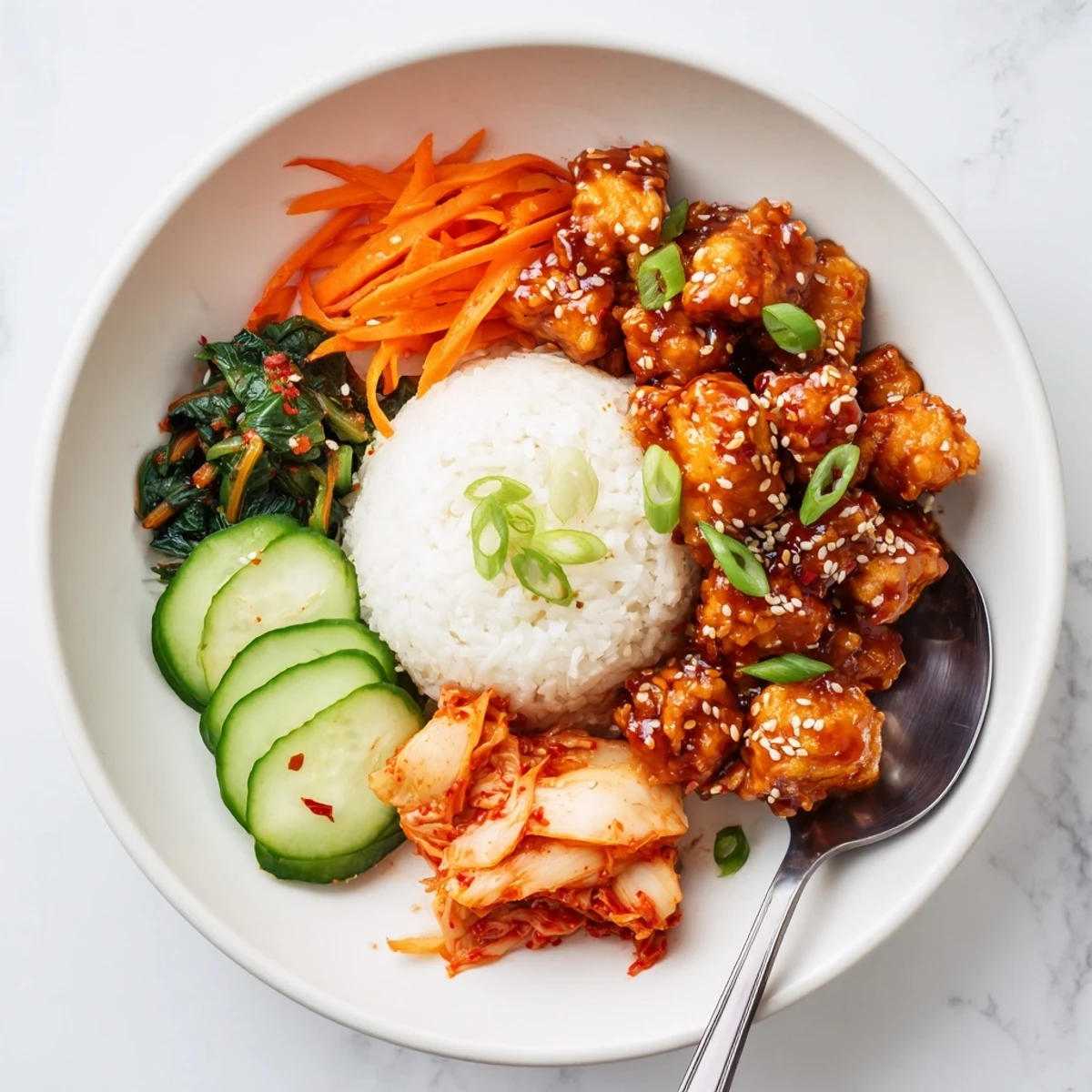
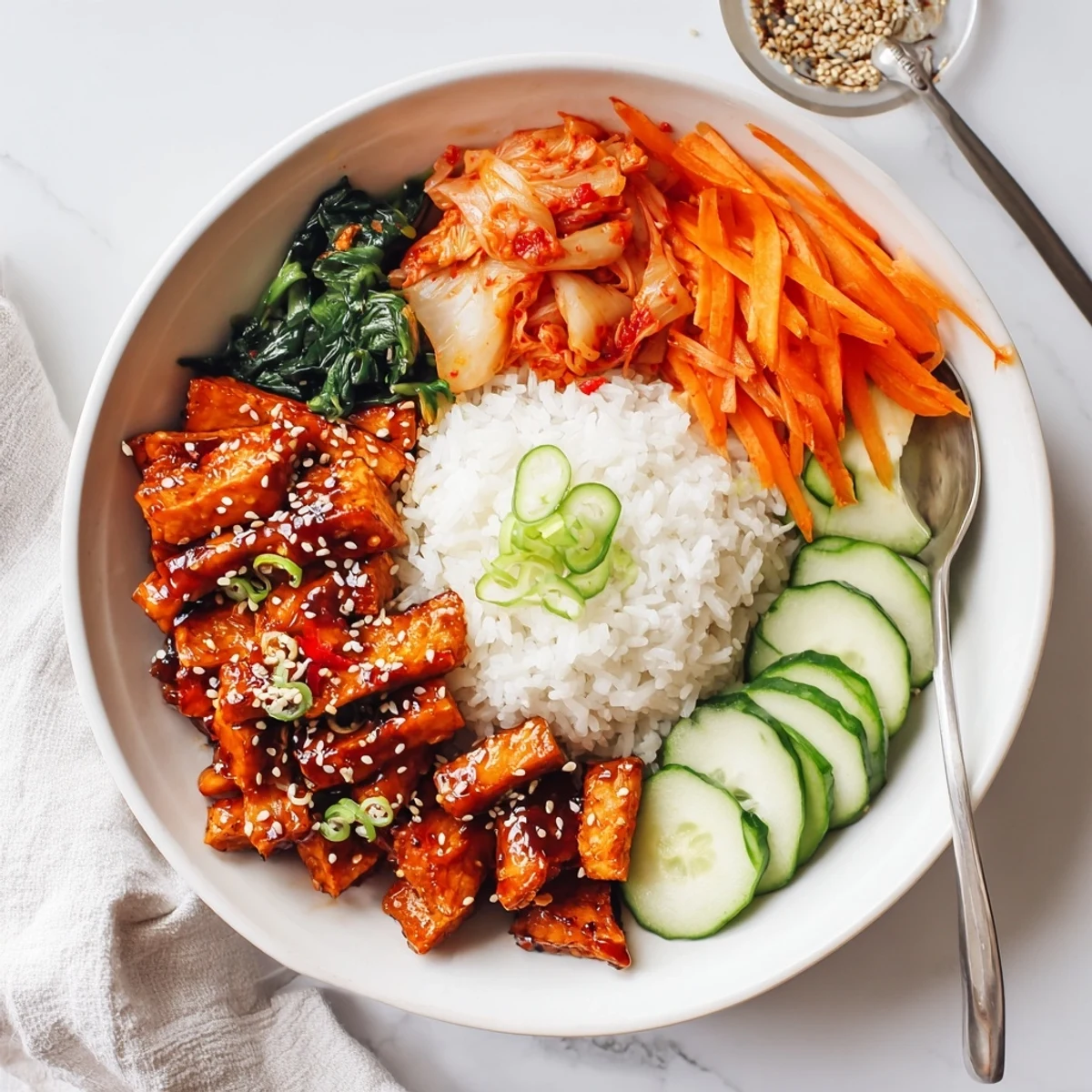
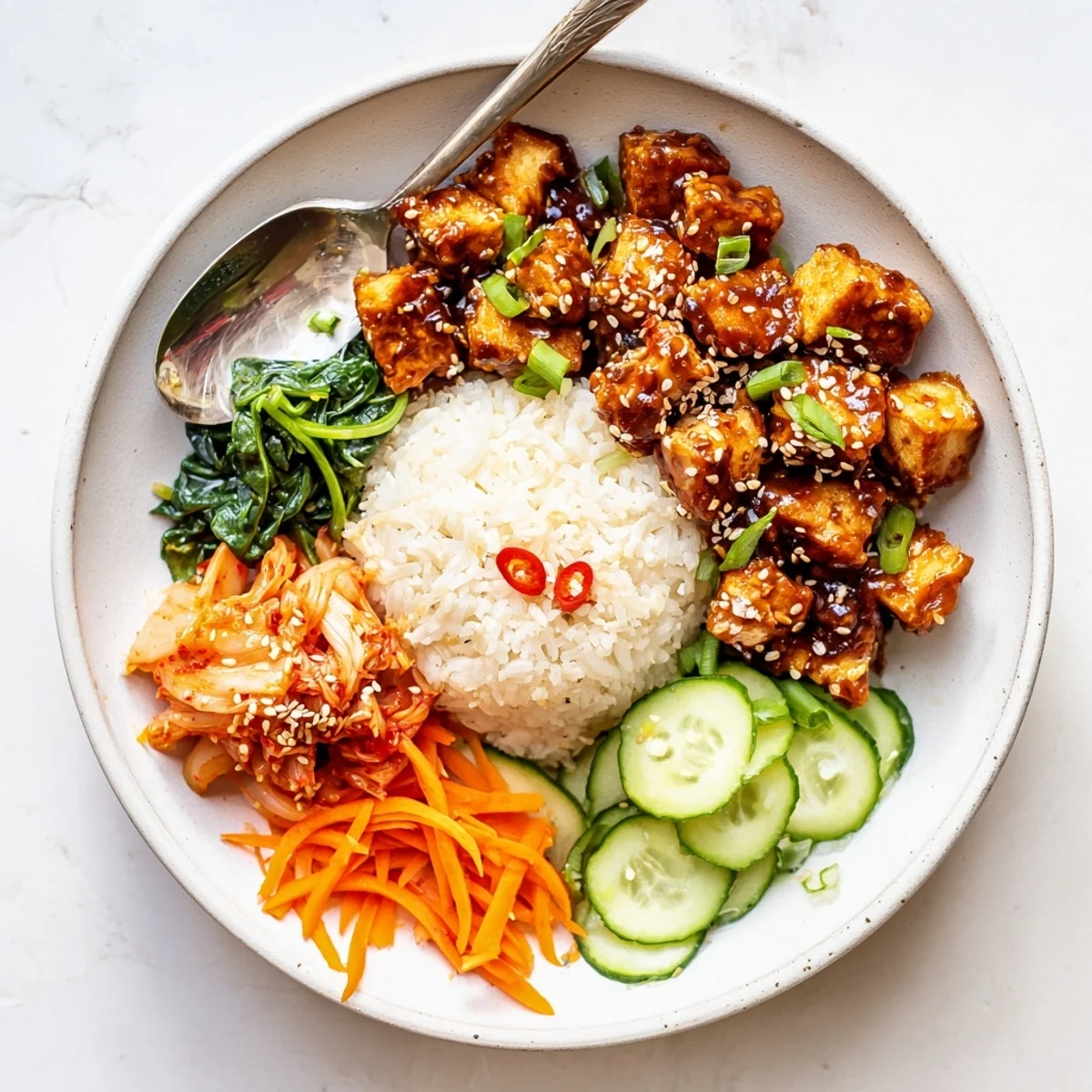
Save This Korean-inspired bowl starts with extra-firm tofu shredded into pulled pieces, coated in cornstarch, and baked until golden and crispy. The tofu gets tossed in a homemade bulgogi sauce made from soy sauce, brown sugar, mirin, sesame oil, garlic, ginger, and a kick of gochujang. Served over warm short-grain rice alongside julienned carrot, sliced cucumber, sautéed spinach, and optional kimchi, it comes together in just 40 minutes. Each bite delivers that perfect balance of sweet, savory, and umami—with satisfying crunch from the tofu and freshness from the vegetables. Swap in brown rice or cauliflower rice for a lighter twist, and keep it gluten-free with tamari.
The first time I shredded tofu instead of cubing it, I honestly felt a little ridiculous standing at the counter pulling it apart like string cheese. But the moment those ragged little strands hit the hot pan and started crackling, I knew I had stumbled onto something completely different from any tofu dish I had made before.
I made this for a friend who swore she did not like tofu and watched her go back for seconds without a word. That silence was louder than any compliment she could have given me.
Ingredients
- Extra-firm tofu (400 g): Pressing it thoroughly is nonnegotiable because any residual water will steam instead of crisp, and the whole texture falls apart
- Cornstarch (2 tbsp): This creates the delicate crust that turns shreds into something almost fried tasting without actually deep frying
- Neutral oil (1 tbsp): Sunflower or canola works best here because you want the oil to disappear and let the tofu and sauce do all the talking
- Soy sauce (4 tbsp): The salty backbone of the whole bulgogi flavor, use tamari if you need to keep it gluten free
- Brown sugar (2 tbsp): This caramelizes against the heat of the tofu and gives the sauce that signature Korean sweet savory depth
- Mirin (1 tbsp): Rice vinegar works in a pinch but mirin adds a subtle sweetness that rounds out the sauce beautifully
- Sesame oil (1 tbsp): A little goes a long way and this is where that unmistakable Korean aroma really starts to build
- Garlic (2 cloves, minced) and fresh ginger (1 thumb-sized piece, grated): Fresh is absolutely worth it here because the ginger especially loses all its brightness when dried
- Gochujang (1 tbsp): Optional but it adds a fermented warmth that sriracha cannot replicate, even though sriracha will work if that is what you have
- Toasted sesame seeds (2 tsp) and green onion (1, finely chopped): These finish the sauce and also double as bowl garnish so keep them close
- Cooked short-grain white rice (500 g): The sticky texture is what makes each bite feel like a proper Korean comfort bowl
- Carrot (1 medium, julienned) and cucumber (1 small, thinly sliced): Raw crunch against the hot tofu is the contrast that keeps every spoonful interesting
- Sautéed spinach (100 g): A quick blanch with a drop of sesame oil turns plain spinach into something you actually look forward to eating
- Kimchi (1 tbsp, optional): Even a small amount adds a sour funk that cuts through the sweetness of the bulgogi sauce
Instructions
- Get the oven screaming hot:
- Preheat to 220°C (425°F) or set a large non-stick skillet over medium-high heat if you prefer pan-frying. The surface needs to be hot enough that the tofu sizzles the second it touches it.
- Shred and coat the tofu:
- Use your hands or a fork to pull the pressed tofu into bite-sized shreds, then toss with cornstarch until every strand has a dusty coating. Do not be gentle about it because irregular pieces get crispier.
- Crisp it up:
- Spread the coated tofu on a parchment-lined tray, drizzle with oil, and bake 25-30 minutes, tossing halfway through until golden and crunchy. If pan-frying, work in batches so the pieces have room to crisp rather than steam.
- Whisk together the bulgogi sauce:
- Combine soy sauce, brown sugar, mirin, sesame oil, garlic, ginger, gochujang, sesame seeds, and green onion in a bowl. Stir until the sugar dissolves completely and the sauce looks glossy.
- Prep your rice and veggies:
- Divide warm rice among four bowls, blanch the spinach with a pinch of salt and a few drops of sesame oil, and arrange the julienned carrot and sliced cucumber alongside.
- Toss and assemble:
- Add the hot crispy tofu directly into the sauce and fold gently until every strand is coated. Pile the tofu onto the rice, add veggies and kimchi, then finish with sesame seeds, fresh chili slices, and extra green onion.
 Save
Save There was a rainy Tuesday when I ate this whole bowl in near silence at my kitchen table, just listening to the rain and chewing, and it felt like the most peaceful meal I had had in months.
Picking the Right Rice
Short-grain white rice clings together in a way that lets you scoop up tofu and veggies in one bite, which is exactly how a Korean bowl is meant to be eaten. Brown rice or quinoa work fine nutritionally but they change the whole mouthfeel into something looser and less comforting.
Getting That Tofu Crunch Without Frying
The oven method is forgiving because the dry heat surrounds every strand evenly, but a truly hot non-stick skillet will actually give you a slightly deeper crust if you are willing to babysit it. The trick either way is making sure the tofu is spread in a single layer with gaps between pieces.
Making It Yours
Sautéed mushrooms, bean sprouts, or sliced avocado all fold in beautifully and can turn this into whatever you are craving that night. The base formula of crispy tofu plus sweet sauce plus rice is sturdy enough to handle almost any addition.
- Swap kimchi for quick-pickled radish if you want crunch without the fermentation
- A soft fried egg on top makes it feel indulgent without much extra effort
- Double the sauce if you like your rice to soak up every last drop
 Save
Save This bowl started as an experiment and turned into the meal I make when I need something warm, crunchy, and completely satisfying without overthinking it.
Recipe FAQs
- → How do I get the tofu crispy enough?
-
Press and drain the tofu thoroughly, shred it into small pieces, and coat evenly with cornstarch. Bake at 220°C (425°F) for 25-30 minutes, tossing halfway through. The cornstarch creates a light crust that crisps up beautifully in the dry heat of the oven.
- → Can I pan-fry the tofu instead of baking?
-
Absolutely. Heat a large non-stick skillet with a tablespoon of neutral oil and pan-fry the cornstarch-coated tofu in batches over medium-high heat until golden and crisp on all sides. Work in batches to avoid steaming the tofu.
- → Is this bowl gluten-free?
-
With a simple swap it can be. Replace the soy sauce with gluten-free tamari and verify that your gochujang is certified gluten-free, as some brands include wheat. The rest of the ingredients are naturally gluten-free.
- → What can I substitute for gochujang if I don't have it?
-
Sriracha works as a quick substitute for heat, though the flavor profile shifts slightly—gochujang brings a deeper, fermented umami that sriracha lacks. You could also use a mix of miso paste and a pinch of chili flakes to get closer to the original taste.
- → Can I make the bulgogi sauce ahead of time?
-
Yes, the sauce keeps well in an airtight container in the fridge for up to 5 days. The flavors actually deepen as it sits, so preparing it a day or two in advance can improve the taste. Whisk again before using since the sugar may settle.
- → How do I store leftovers?
-
Store the tofu, rice, and veggies separately in airtight containers in the refrigerator for up to 3 days. Reheat the tofu in a dry skillet or oven to restore some crispness—the microwave will make it soft. Assemble fresh bowls when ready to eat.