
 Save
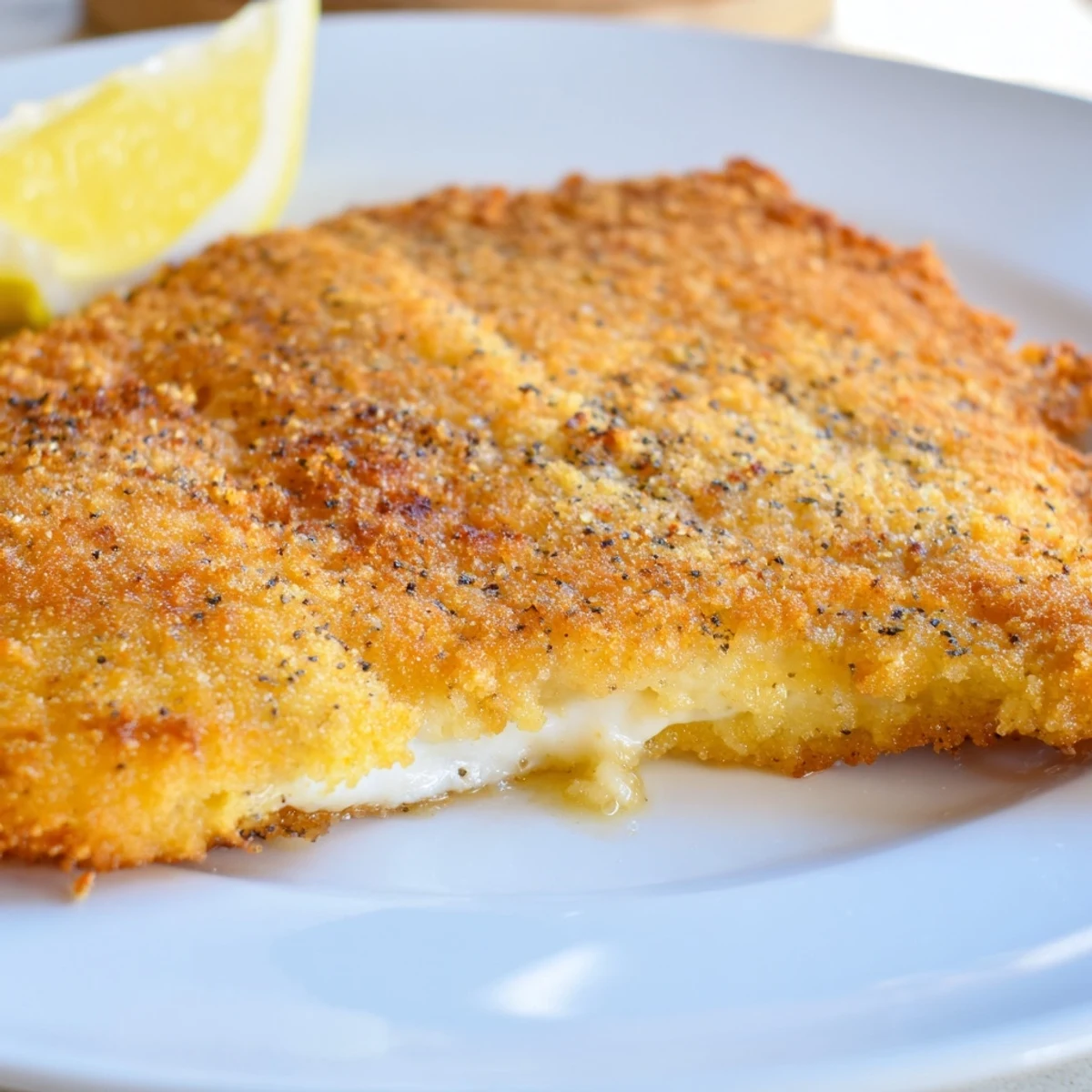
Save Create this beloved Greek specialty featuring firm cheese coated in seasoned flour and pan-fried until golden. The exterior develops irresistible crunch while the interior becomes beautifully melted and creamy. Traditional Kefalotyri or Graviera work wonderfully, though Halloumi makes an excellent substitute.
The entire process takes just 20 minutes from start to finish. Simply slice, dredge, and fry in olive oil for a restaurant-quality appetizer that tastes straight from a Mediterranean taverna. Serve immediately with fresh lemon wedges—the bright acidity perfectly balances the rich, savory cheese.
This naturally gluten-free vegetarian dish pairs beautifully with chilled white wine or traditional ouzo. For extra flavor, sprinkle dried oregano over the hot cheese or drizzle with honey for a sweet-savory variation.
The first time I watched a restaurant owner in Athens flambe Saganaki at our table, I nearly jumped out of my chair. That glorious hiss of lemon hitting hot cheese, the way everyone leaned in simultaneously, the sheer theater of it all, I knew I had to recreate that magic at home.
My husband still talks about the night I accidentally set off the smoke alarm while perfecting this recipe. We ended up eating slightly overdone cheese on the balcony with wine, laughing so hard our neighbors probably thought wed lost our minds, but the cheese was still incredible.
Ingredients
- 250 g firm Greek cheese: Kefalotyri is traditional but Graviera or Halloumi work beautifully, just avoid anything too soft or it will melt away completely
- 80 g gluten-free flour: Creates that essential crispy shell, regular flour works too if dietary restrictions are not a concern
- Freshly ground black pepper: Adds a subtle warmth that cuts through the rich cheese
- 3 tbsp extra virgin olive oil: High heat oil is crucial here, do not skimp or the cheese will stick tragically
- Lemon wedges: The acid is not optional, it is what makes this dish sing
Instructions
- Prep your cheese slices:
- Cut the cheese into uniform pieces about 1 cm thick, then pat each piece thoroughly with paper towels until they feel dry to the touch, this step is what prevents soggy coating
- Create the coating station:
- Mix the flour with a generous grinding of black pepper on a flat plate, then press each cheese slice into the flour, turning to coat both sides completely before shaking off any excess
- Heat your pan properly:
- Warm the olive oil in a non-stick skillet over medium-high heat until it shimmers but does not smoke, testing with a tiny pinch of flour to see if it sizzles immediately
- Fry to golden perfection:
- Carefully place cheese slices in the hot pan without overcrowding, cooking for 1 to 2 minutes per side until deep golden brown, then transfer immediately to paper towels
- Serve immediately:
- Squeeze fresh lemon wedges over the hot cheese right at the table for that spectacular sizzling sound everyone loves
 Save
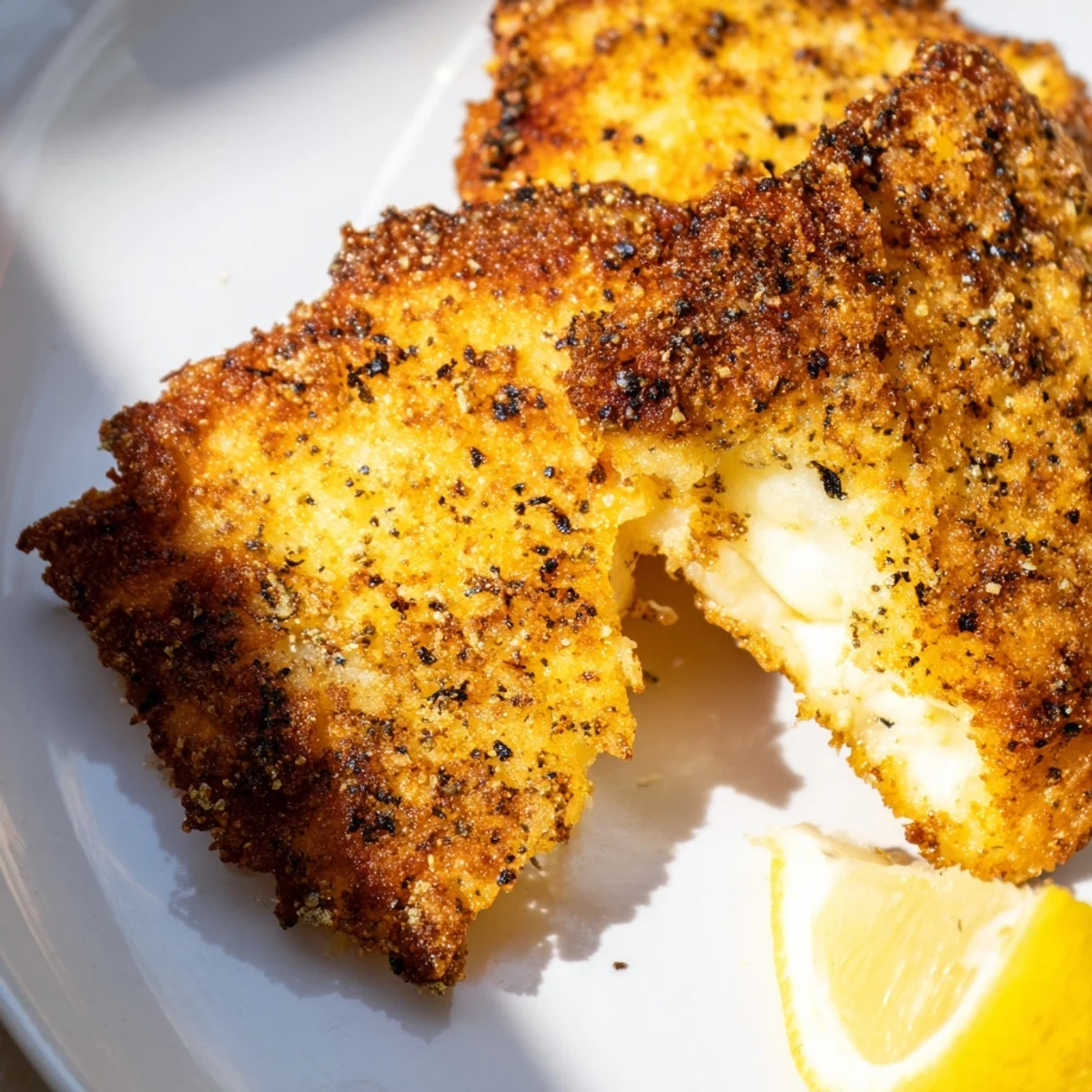
Save This recipe became our go-to emergency dinner when friends drop by unexpectedly. Something about watching cheese fry makes people instantly happy, like you have performed kitchen magic right before their eyes.
Choosing The Right Cheese
After years of experimentation, I have learned that cheese texture matters more than the specific variety. You want something firm enough to hold its shape but with enough fat content to melt beautifully inside that crispy coating.
Temperature Secrets
Medium-high heat is your sweet spot, too low and the cheese will ooze before crisping, too high and you will burn the coating before the inside warms through. I have ruined enough batches to know there is no rushing this part.
Serving Suggestions
While lemon is classic, I have discovered that a drizzle of honey and pinch of dried oregano creates the most incredible sweet and savory combination. The way it balances the salty cheese is absolute perfection.
- Pair with chilled white wine or ouzo for authentic Greek vibes
- Serve as part of a meze platter with olives and warm bread
- Make extra because these disappear remarkably fast
 Save
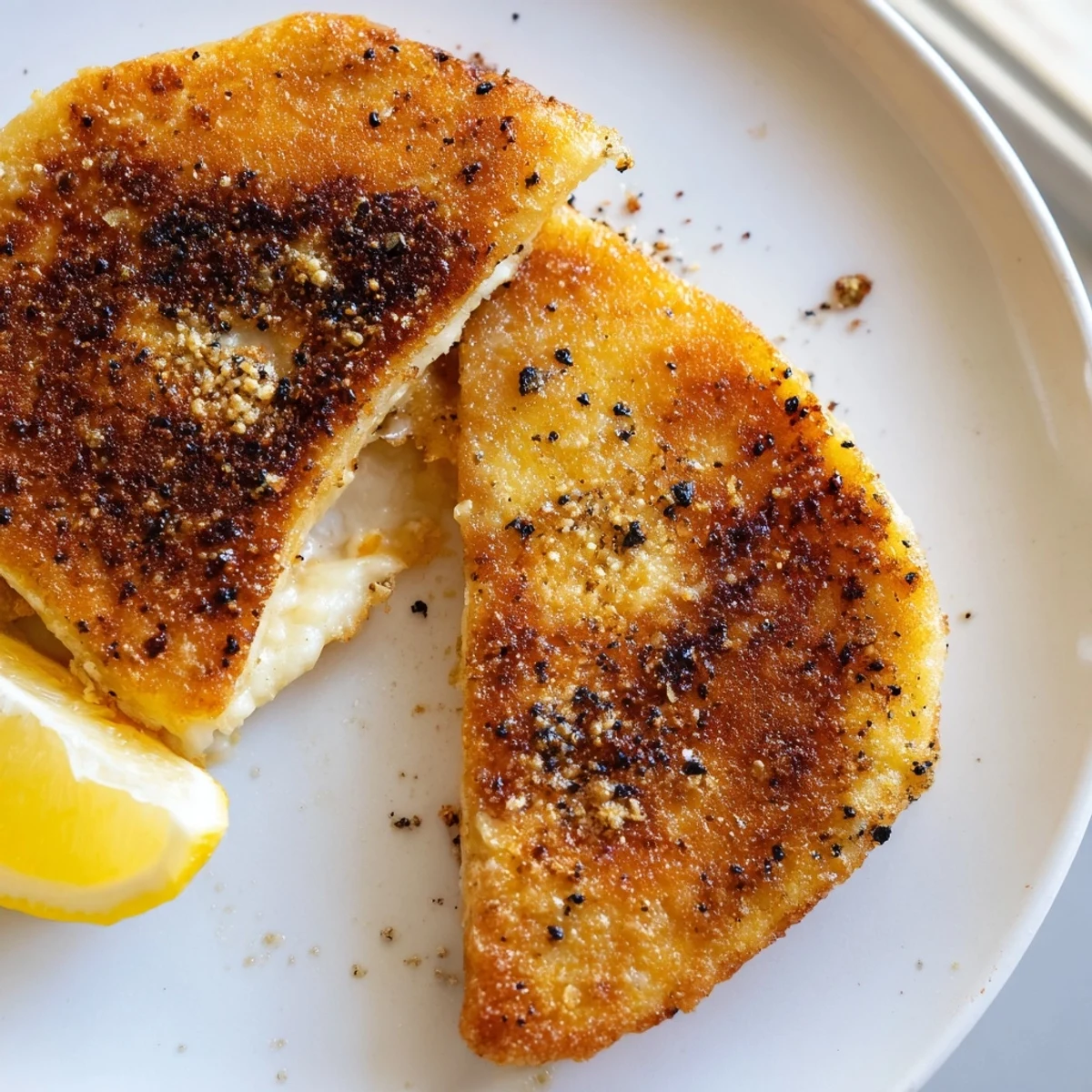
Save There is something uniquely satisfying about making something so delicious with such humble ingredients. This is the kind of recipe that turns an ordinary Tuesday into something worth celebrating.
Recipe FAQs
- → What type of cheese works best for frying?
-
Firm Greek cheeses like Kefalotyri or Graviera are traditional choices because they hold their shape well when heated. Halloumi is an excellent alternative with similar properties. These cheeses develop a beautiful golden crust while becoming meltingly tender inside without losing their structure in the hot pan.
- → Can I make this ahead of time?
-
This appetizer is best enjoyed immediately after frying while the exterior is at its crispest and the interior is perfectly melted. You can prepare the cheese slices and coat them in flour up to an hour before cooking, storing them covered in the refrigerator. However, for optimal texture and flavor, fry just before serving.
- → Is gluten-free flour necessary?
-
Use gluten-free flour if you need to accommodate dietary restrictions. Regular all-purpose flour works equally well for creating the crispy coating. The key is choosing a flour that adheres properly to the cheese surface and browns nicely in the hot oil. Either option delivers excellent results.
- → Why is lemon served alongside?
-
Fresh lemon wedges provide bright acidity that cuts through the rich, savory fried cheese. Squeezing lemon over the hot slices creates a perfect balance of flavors—the citrus notes complement the salty, milky character of the cheese while enhancing the Mediterranean experience. This traditional pairing elevates the entire dish.
- → What oil should I use for frying?
-
Extra virgin olive oil is the traditional choice and adds wonderful Mediterranean flavor. It has a medium-high smoke point suitable for this quick frying method. The oil imparts subtle fruity notes that complement the cheese beautifully. If preferred, other neutral oils like canola or vegetable oil work, though olive oil provides the most authentic taste.
- → How do I prevent the coating from falling off?
-
Pat the cheese slices thoroughly dry before dredging to remove surface moisture. This helps the flour adhere properly. Lightly shake off excess flour after coating rather than rubbing it off. Place the coated slices carefully into the hot oil without overcrowding the pan, which ensures even browning and maintains the crispy coating.