
 Save
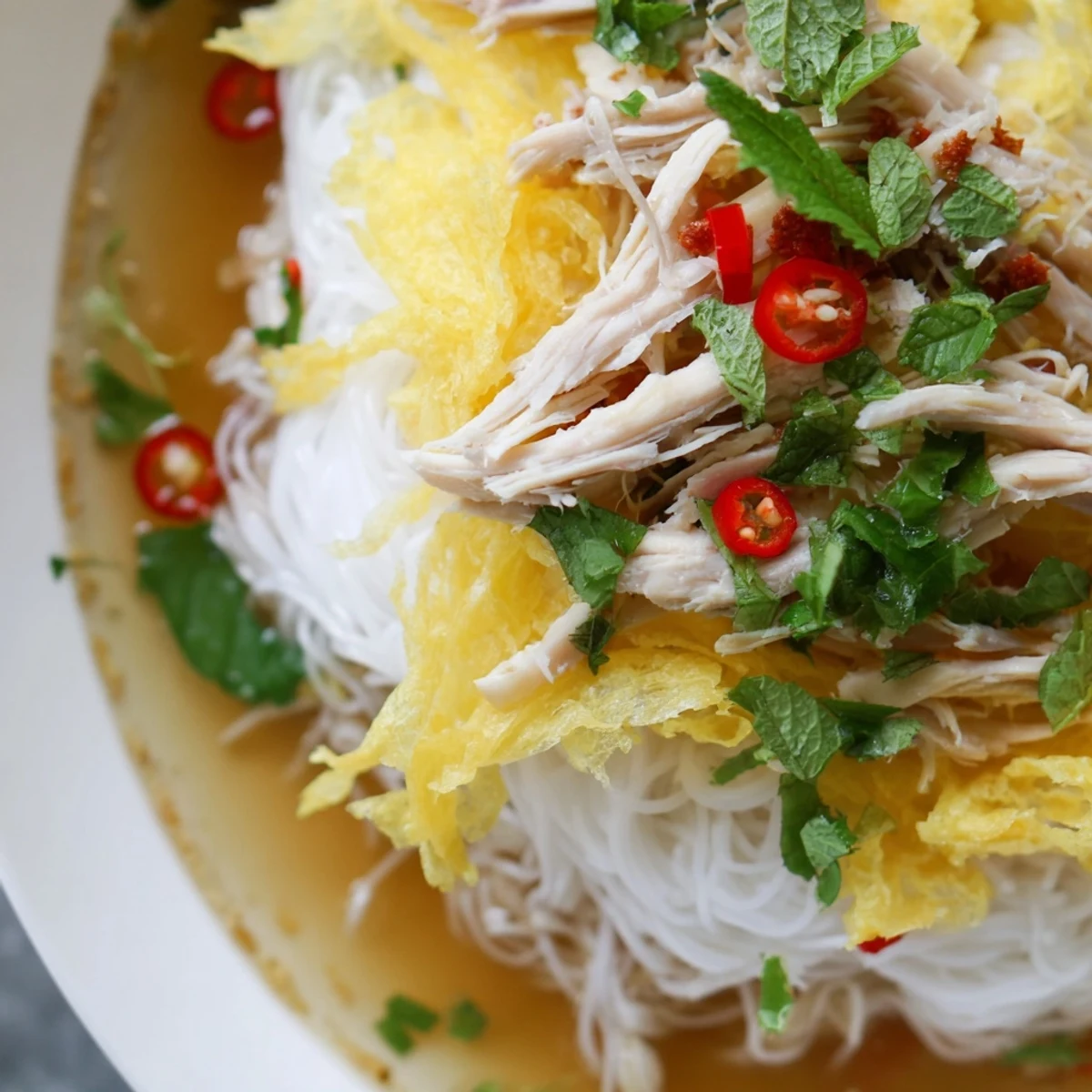
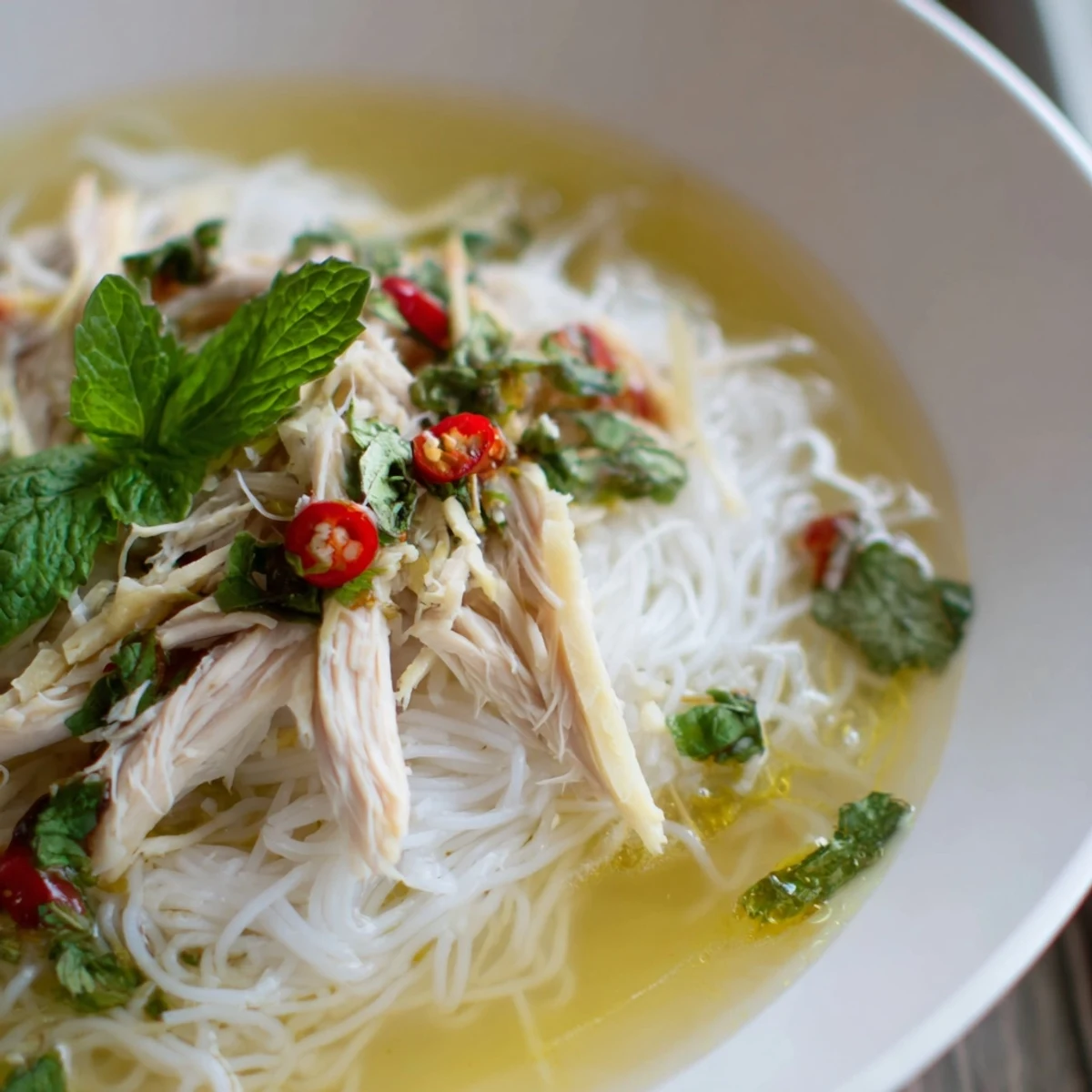
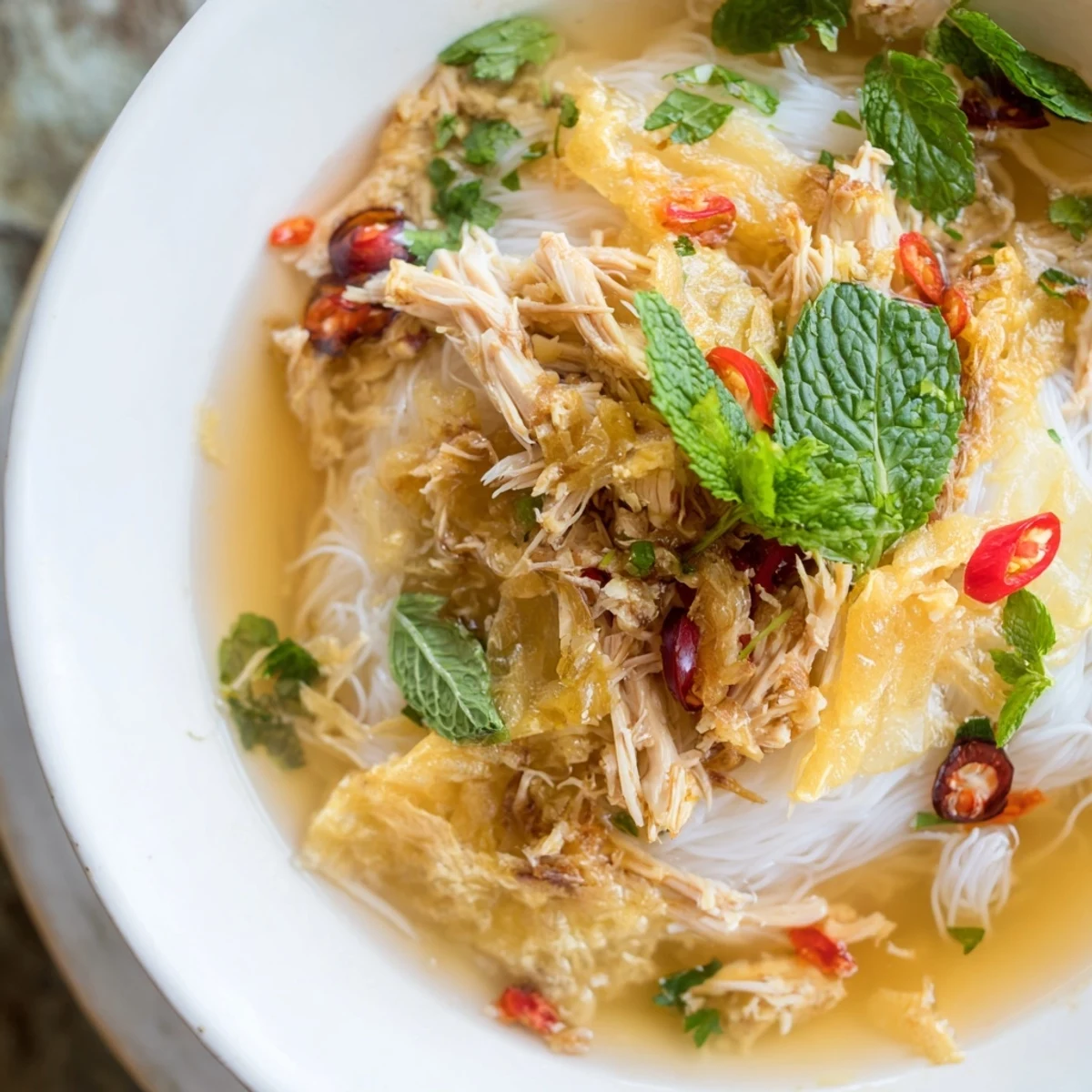
Save Bun Thang represents the pinnacle of Hanoi's refined culinary tradition, combining delicate textures and complex flavors in a single bowl. This iconic dish features a crystal-clear broth simmered with chicken, aromatics, and traditional seasonings, topped with an array of precisely cut ingredients including shredded chicken breast, thin egg crepe strips, Vietnamese pork sausage, and fresh herbs. Each component is prepared separately and assembled just before serving, creating layers of taste and texture that showcase the sophistication of Vietnamese cuisine. The dish requires patience and attention to detail, but the result is an elegant, comforting bowl that's perfect for special occasions or when you crave something truly special.
The steam rising from my first bowl of Bun Thang in Hanoi's Old District still haunts me in the best way possible. I had ducked into a tiny street corner shop to escape an unexpected spring rain, watching an elderly woman work with the kind of graceful precision that only comes from decades of practice. When she set that crystal clear broth before me, I honestly thought it was going to be simple and mild. Then I took my first spoonful and realized how wrong I was about what delicate flavors could achieve.
My friend Linh watched me attempt this recipe for the first time and gently corrected my julienne cuts. You are treating this like a stir fry she said laughing but Bun Thang requires patience. She showed me how the egg crepes should be translucent and how each component deserves its own moment of attention. That afternoon in her small kitchen taught me that this soup is really about meditation and care.
Ingredients
- Whole chicken: The foundation of your broth so choose one with good color and skin intact for richness
- Yellow onion and ginger: Char these slightly over an open flame first if you want that authentic Hanoi depth
- Fish sauce: Use a good quality brand like Red Boat because cheap fish sauce will ruin hours of work
- Rock sugar: Dissolves more cleanly than regular sugar and gives the broth that characteristic Vietnamese balance
- Eggs: Room temperature eggs will create smoother more pliable crepes for your toppings
- Rice vermicelli: Soak these in cold water not warm to prevent them from becoming mushy
- Vietnamese pork sausage: Look for gio lua at your Asian market the texture is completely different from regular ham
- Fresh herbs: Do not skip the Vietnamese coriander it is what makes this taste like Hanoi and not just generic noodle soup
Instructions
- Build your foundation:
- Place chicken in a large pot with onion ginger and water then bring everything to a rolling boil before reducing heat
- Develop the broth:
- Simmer for 30 minutes while skimming foam then remove chicken and continue cooking the liquid another 45 minutes with aromatics
- Season thoughtfully:
- Add salt fish sauce and sugar then strain through cheesecloth for that restaurant quality clarity
- Prep your proteins:
- Shred cooled chicken breast into thin strips and slice pork sausage into delicate matchsticks
- Create egg ribbons:
- Whisk eggs with salt then cook into thin crepes in a nonstick pan and slice into fine julienne strips
- Cook the noodles:
- Prepare vermicelli according to package directions then rinse immediately with cold water to stop the cooking
- Compose the bowl:
- Layer noodles then arrange toppings in separate sections on top like a beautiful mosaic
- Finish with flair:
- Ladle hot broth over the bowl and add fresh herbs chili and a squeeze of lime right before serving
 Save
Save Last winter my father requested this for his birthday meal. He had traveled to Vietnam years ago and kept talking about some soup he could not find in restaurants. Watching him take that first bite and close his eyes with recognition made every tedious julienne cut worth it.
The Art of Broth Clarity
Strain your broth twice once through a coarse sieve and again through cheesecloth. This extra step is what separates home cooking from the crystal clear bowls you see in Hanoi street stalls.
Making Ahead Like a Pro
Bun Thang actually tastes better the next day when flavors have had time to marry. Prepare everything separately and store broth toppings and noodles in different containers.
Assembly Secrets
Arrange each topping in its own little section on top of the noodles rather than mixing them together. The visual presentation is half the experience of this elegant soup.
- Keep your broth hot and your noodles cool until the moment you serve
- Put shrimp paste on the side not directly into the soup
- Serve immediately after pouring the broth or noodles will overcook
 Save
Save This soup will teach you that patience and precision can transform simple ingredients into something transcendent. Worth every minute of the prep.
Recipe FAQs
- → What makes Bun Thang different from other Vietnamese noodle soups?
-
Bun Thang stands out for its delicate presentation and refined preparation. Unlike hearty beef pho or spicy bun bo hue, this dish features a crystal-clear broth topped with precisely shredded ingredients arranged in distinct sections. Each component—chicken, egg crepe, pork sausage, and herbs—is cooked separately and cut into uniform strips, creating a visually stunning and texturally complex bowl that represents the sophistication of Hanoi's culinary tradition.
- → How do I achieve a clear broth?
-
Start by bringing the pot to a rolling boil initially, then immediately reduce to a gentle simmer. Skim off any foam or impurities that rise to the surface throughout cooking. After removing the chicken, continue simmering the broth with aromatics for an additional 45 minutes. Finally, strain the liquid through a fine mesh strainer or cheesecloth for maximum clarity. Avoid boiling vigorously once the chicken is removed, as this can cloud the broth.
- → Can I prepare components in advance?
-
Absolutely. In fact, Bun Thang is ideal for advance preparation. You can make the broth up to 2 days ahead and store it refrigerated. The shredded chicken, egg crepes, and sliced sausage can be prepared a day in advance and kept in separate containers. Fresh herbs should be prepped the same day for optimal flavor. When ready to serve, simply reheat the broth, refresh the noodles in hot water, and assemble the bowls.
- → What can I use if I can't find Vietnamese pork sausage?
-
You can substitute with thin slices of roasted pork belly, Chinese ham, or even lean deli ham. For a homemade version, steam a mixture of ground pork, fish sauce, and starch until firm, then slice thinly. Some cooks also use steamed pork loaf or even thinly sliced baked tofu for a vegetarian option. The key is achieving that smooth, bouncy texture that contrasts with the other toppings.
- → Why is this dish considered difficult to make?
-
Bun Thang requires multiple cooking processes and precise knife work. Each topping must be prepared separately—simmering the broth, poaching and shredding chicken, making delicate egg crepes, and julienning various ingredients. The real challenge lies in cutting everything into uniform, thin strips and assembling the bowl with attention to both aesthetics and balance. However, the process rewards patience with an elegant, restaurant-quality result that showcases the refinement of Vietnamese cuisine.
- → What's the purpose of shrimp paste in this dish?
-
Shrimp paste (mam tom) is a traditional condiment served alongside Bun Thang for those who enjoy its intense, pungent flavor. A small amount adds depth and umami to the broth when mixed in. However, it's quite strong and optional—many Hanoi locals enjoy it while others prefer the pure, clean flavors of the broth and toppings without it. Serve it on the side and let diners decide whether to incorporate it.