
 Save
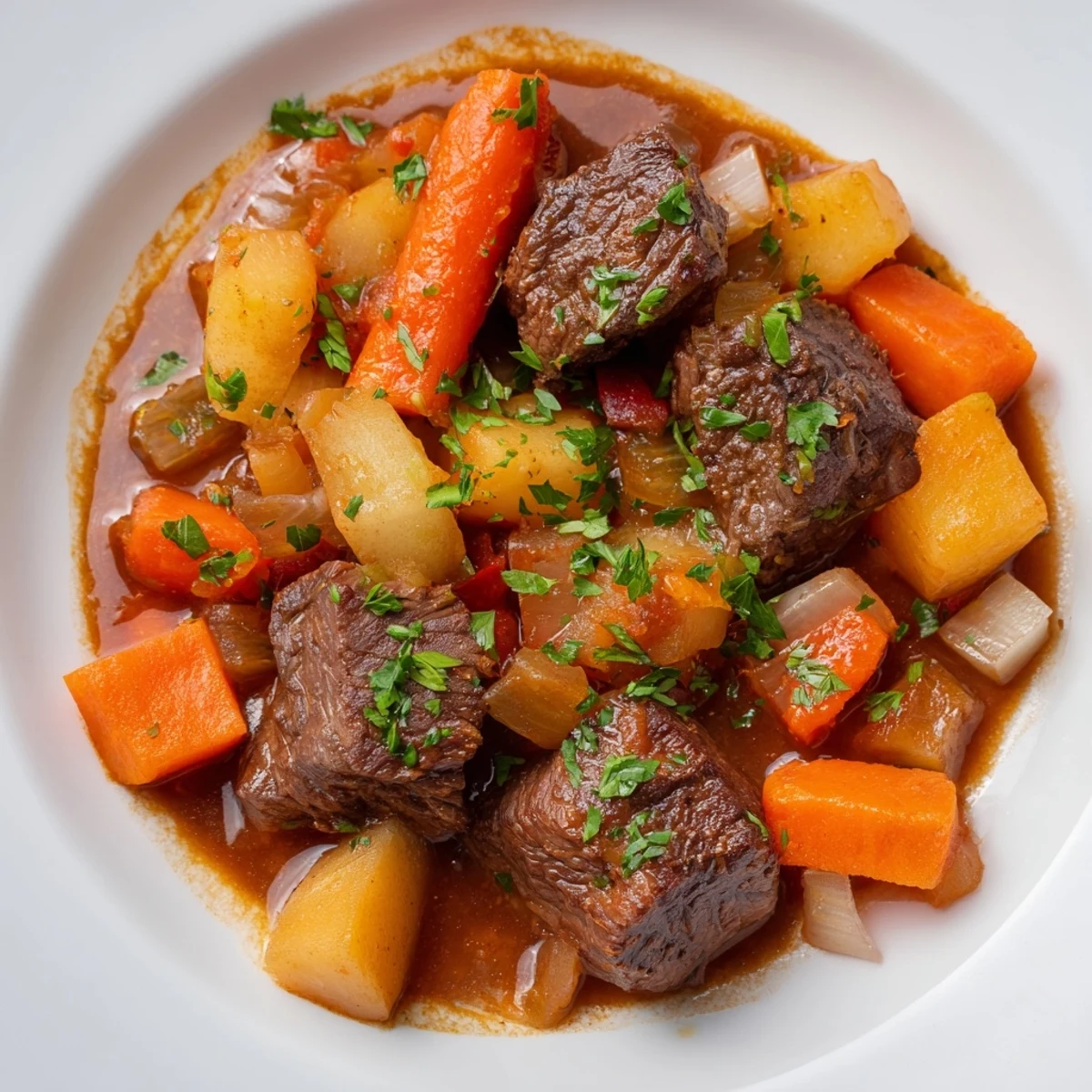
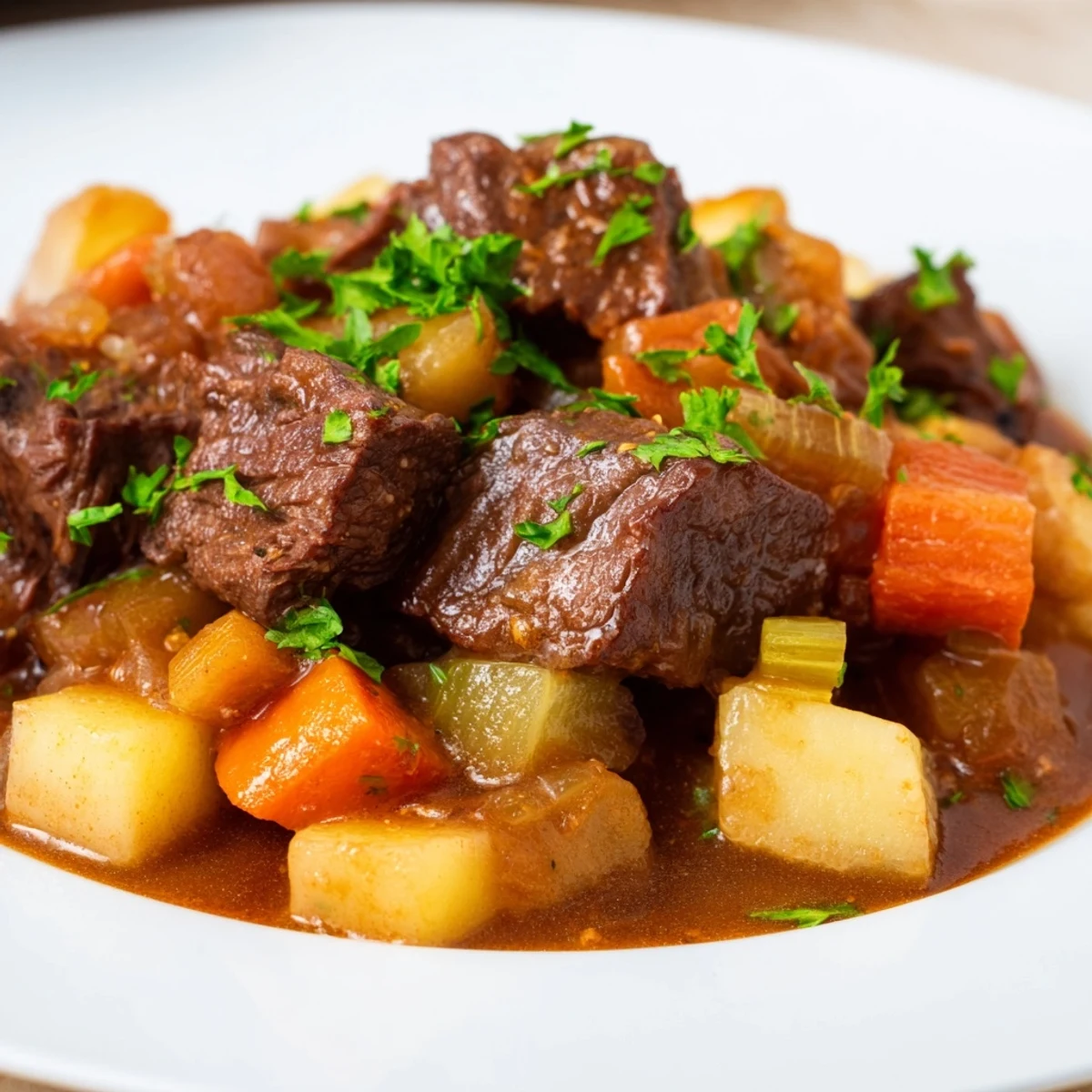
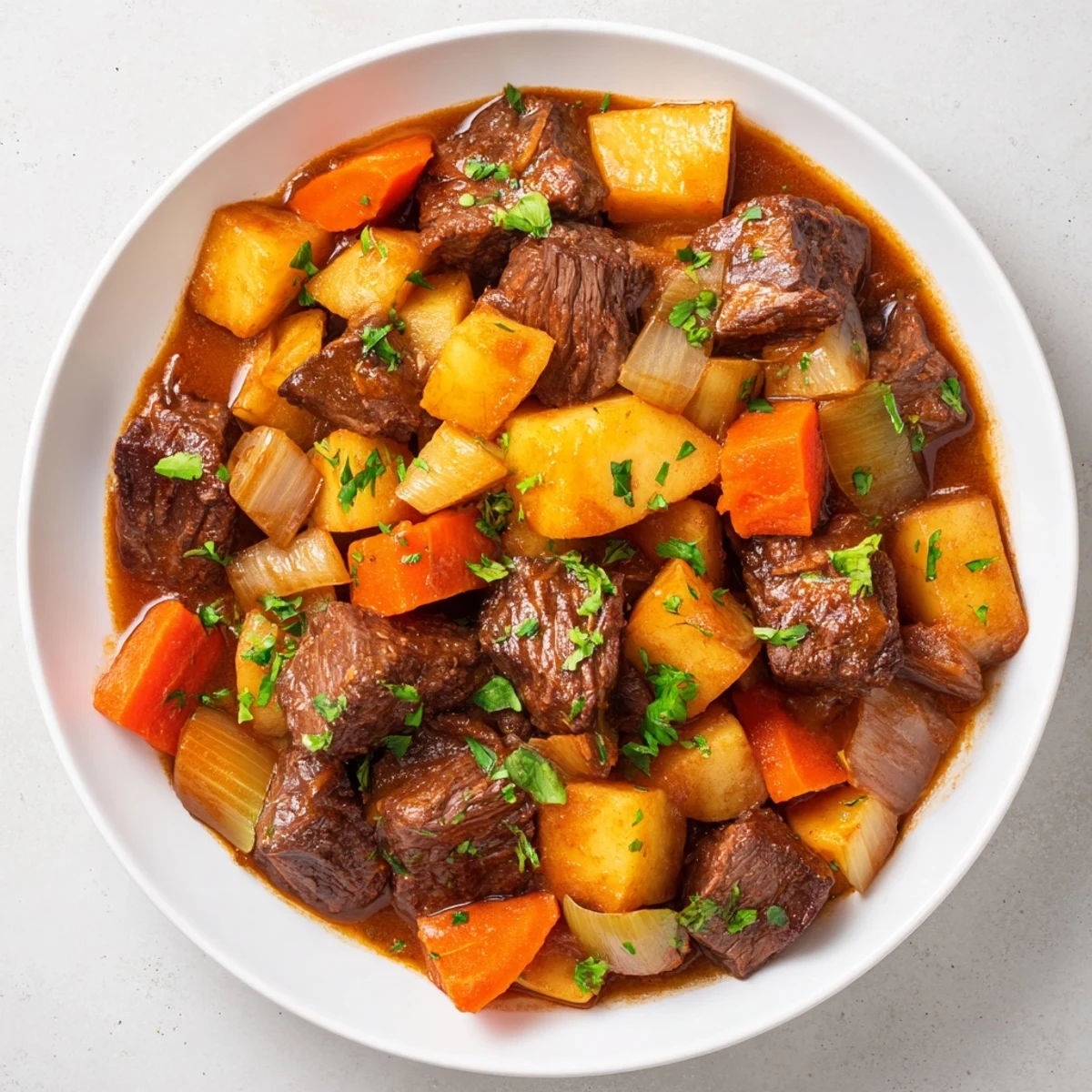
Save This hearty dish features tender chunks of beef chuck simmered with a blend of root vegetables like carrots, parsnips, potatoes, and rutabaga. The beef is browned first for depth of flavor, then slowly cooked in a savory broth enriched with red wine, tomato paste, and aromatics such as garlic, thyme, and rosemary. Vegetables are added midway to retain their texture while absorbing the rich spices. The final dish is garnished with fresh parsley and delivers a comforting blend of savory and earthy flavors perfect for a satisfying main course.
The first snowfall had just started when my grandmother announced it was officially stew weather. Something about the way she said it made the kitchen feel like the most important room in the house. Now whenever the temperature drops below forty degrees, my hands automatically reach for the Dutch oven before I even check the weather forecast.
Last February I made a double batch for a Super Bowl gathering and people kept drifting away from the game toward the kitchen. Something about that slow-simmering aroma just pulls people in. The best part was watching my friend who swore he hated parsnips go back for thirds.
Ingredients
- 2 lbs beef chuck: Chuck roast develops the deepest flavor during long cooking and becomes impossibly tender
- 2 large carrots and 2 parsnips: These root vegetables add sweetness that balances the savory beef broth
- 2 medium potatoes: Yukon Gold or russet hold their shape beautifully while absorbing all the surrounding flavors
- 1 large onion and 2 celery stalks: This aromatic foundation builds layers of flavor from the very bottom
- 2 cloves garlic: Mince it fresh since jarred garlic loses its punch in long simmer times
- 1 small rutabaga or turnip: This secret ingredient adds an earthy sweetness most people cannot quite identify
- 4 cups beef stock: Homemade stock is ideal but a good quality store-bought version works perfectly well
- 1 cup dry red wine: A modest Cabernet or Merlot adds acidity and complexity to the broth
- 2 tbsp tomato paste: This concentrate gives the stew a gorgeous deep color and subtle richness
- 2 tbsp Worcestershire sauce: The umami bomb that makes the beef taste beefier than beef itself
- 2 bay leaves and dried herbs: Thyme and rosemary are classic partners for beef that never clash
- 3 tbsp olive oil: Use a neutral oil with a high smoke point for the initial browning
- 2 tbsp all-purpose flour: This lightly thickens the broth into a velvety consistency
- Fresh parsley: The finishing touch that adds a bright pop of color and fresh flavor
Instructions
- Season and prepare the beef:
- Pat the cubes completely dry with paper towels then sprinkle them generously with salt and pepper on all sides.
- Brown the beef in batches:
- Heat 2 tablespoons olive oil in your Dutch oven over medium-high heat and sear the beef in batches for 3-4 minutes until deeply browned.
- Cook the aromatic vegetables:
- Reduce the heat to medium and cook the onion and celery for 4 minutes until softened then stir in the garlic for 1 minute.
- Add the flour and tomato paste:
- Sprinkle the flour over the vegetables and stir for 1-2 minutes then add the tomato paste and stir until everything is coated.
- Deglaze with red wine:
- Pour in the wine while scraping up all the caramelized bits from the bottom of the pot.
- Combine all liquids and seasonings:
- Return the beef to the pot and add the stock Worcestershire bay leaves thyme and rosemary.
- Simmer gently:
- Bring everything to a simmer then cover and cook on low heat for 1.5 hours stirring occasionally.
- Add the root vegetables:
- Stir in the carrots parsnips potatoes and rutabaga then cover and cook for 45-60 more minutes until everything is tender.
- Finish and season:
- Remove the bay leaves and adjust the salt and pepper to your taste.
- Garnish before serving:
- Sprinkle fresh parsley over each bowl for a beautiful finishing touch.
 Save
Save This stew became my go-to comfort food the year I lived alone in a drafty apartment. Something about filling the whole place with that smell made even the coldest winter night feel cozy and manageable.
Building Flavor Layers
The most important lesson I learned about stews is that each ingredient needs its moment to shine. Brown the beef properly even though it takes extra time. Cook the flour with the vegetables to remove that raw taste. These small steps add up to something extraordinary.
Vegetable Timing Matters
Root vegetables cook at different rates so I add them all at once but cut them to the same size. The rutabaga takes the longest while carrots might soften faster than potatoes. Uniform cutting keeps everything fork-tender together.
Serving Suggestions
A crusty slice of sourdough bread is all you really need to make this a complete meal. The bread soaks up that incredible broth and suddenly you have the best part of the stew right there on your plate. Sometimes simple accompaniments let the main dish shine brightest.
- Crusty bread absorbs every drop of the flavorful broth
- A simple green salad with bright vinaigrette cuts through the richness
- Light red wine like Pinot Noir pairs beautifully without overpowering
 Save
Save There is something deeply satisfying about a recipe that rewards patience and cares more about comfort than perfection. This stew feeds more than just hunger.
Recipe FAQs
- → What cut of beef works best for slow cooking?
-
Beef chuck is ideal for slow cooking as it becomes tender and flavorful when simmered over low heat for extended periods.
- → Can I substitute vegetables in this dish?
-
Yes, sweet potatoes or other hearty root vegetables can replace or supplement carrots, parsnips, and rutabaga to add variety and flavor.
- → How do I thicken the broth naturally?
-
Sprinkling flour over the softened vegetables before adding liquids helps thicken the broth for a rich, velvety texture.
- → Is it necessary to brown the beef first?
-
Browning the beef develops deeper flavors and a richer color in the finished dish, enhancing the overall taste.
- → What herbs complement the flavors best?
-
Bay leaves, thyme, and rosemary impart earthy and aromatic notes that balance the richness of the beef and vegetables.