
 Save
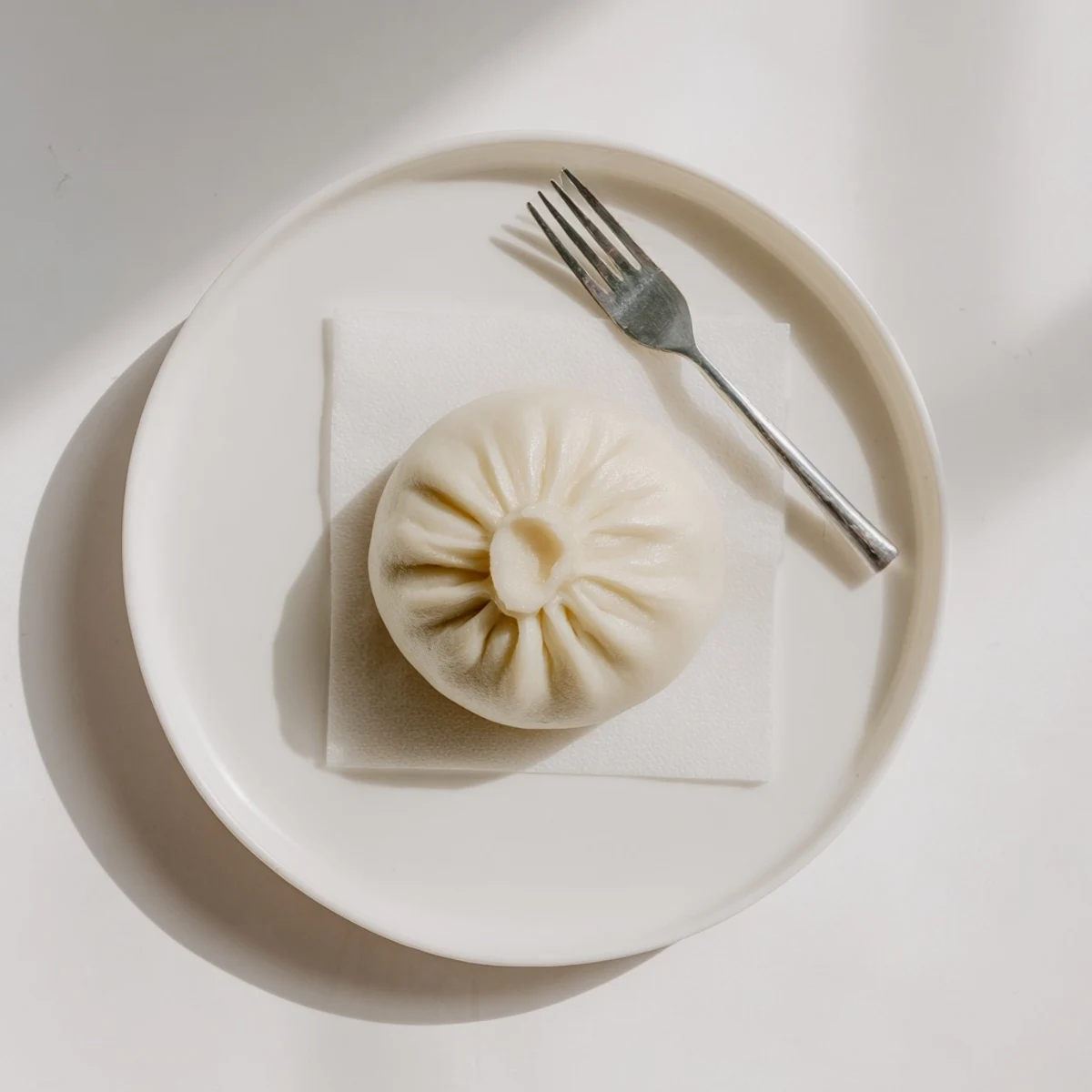
Save Banh Bao are beloved Vietnamese steamed buns featuring a cloud-soft, pillowy dough wrapped around a savory filling of seasoned ground pork, Chinese sausage, woodsy shiitake mushrooms, and tender hard-boiled egg. The magic lies in the perfectly balanced dough—fluffy, slightly sweet, and wonderfully airy thanks to the yeast and baking powder combination. Each bite delivers satisfying textures and rich, umami flavors that make these portable treats irresistible for breakfast, snacks, or light meals.
The process involves preparing a simple dough that rises until doubled, creating a filling that's packed with aromatic ingredients, then expertly wrapping and sealing before steaming until cooked through and beautifully white. The result is eight handheld bundles of comfort food that capture the essence of Vietnamese home cooking.
My grandmother's tiny kitchen would fill with steam every Sunday morning, the bamboo steamer clanking rhythmically on her gas stove. She never measured anything exactly, yet her banh bao always emerged perfectly fluffy and snow-white. I've spent years trying to capture that cloud-like texture she achieved so effortlessly. This recipe comes closest to her method, with a few modern tweaks I've discovered along the way.
Last Lunar New Year, I made thirty of these buns for our family gathering. My uncle took one bite and immediately declared they tasted exactly like the street vendor from his childhood in Saigon. The steam had fogged up my glasses, but seeing everyone's faces light up made every minute of kneading worth it. Now it is not a celebration without a basket of these warm fluffy buns on the table.
Ingredients
- 400 g all-purpose flour: Bread flour works too but all purpose gives the tenderest crumb, just what you want for that cloudlike texture
- 2 tbsp sugar: This subtle sweetness balances the savory filling and helps the yeast bloom beautifully
- 1 tsp instant yeast: Instant yeast eliminates the need for proofing, though active dry works if you bloom it first in warm water
- 1/2 tsp baking powder: The secret to extra fluffiness that I discovered after dozens of slightly dense batches
- 200 ml warm milk: Warm to about body temperature, any hotter and you will kill the yeast before it can work its magic
- 2 tbsp vegetable oil: Keeps the dough tender and adds subtle richness without overpowering the delicate flavor
- 1/4 tsp salt: Just enough to enhance the flavors without making the dough taste salty
- 300 g ground pork: Fatty pork blends best, creating a moist filling that stays juicy even after steaming
- 2 Chinese sausages: These sweet cured sausages add depth and that authentic Vietnamese flavor you cannot substitute
- 4 dried shiitake mushrooms: Soak them in warm water for at least 30 minutes to rehydrate fully before chopping
- 1 small onion: Finely diced so it cooks through in the filling and does not create crunchy pockets
- 2 garlic cloves: Minced fresh garlic provides that aromatic base that makes the filling so fragrant
- 2 tbsp oyster sauce: The umami backbone that brings all the filling ingredients together harmoniously
- 1 tbsp soy sauce: Adds color and saltiness while deepening the savory notes
- 1 tsp sugar: A touch of sugar in the filling creates that perfect sweet and savory balance
- 1/2 tsp ground white pepper: White pepper is traditional and provides gentle heat without black specks
- 2 hard-boiled eggs: The creamy yolk center is essential and cannot be skipped for authentic banh bao
- 1 spring onion: Chopped fresh adds a pop of color and mild onion flavor to finish the filling
Instructions
- Prepare the dough base:
- Combine all dry ingredients in a large bowl, then gradually pour in warm milk and oil while stirring. Knead by hand for about 10 minutes until the dough is smooth, elastic, and slightly tacky but not sticky. Cover the bowl with plastic wrap and let it rise in a warm spot until doubled in size, usually about an hour.
- Mix the savory filling:
- In another bowl, combine ground pork, sliced Chinese sausage, chopped mushrooms, onion, garlic, oyster sauce, soy sauce, sugar, pepper, and spring onion. Mix everything thoroughly with your hands or a spoon until well combined. The filling should be sticky and hold its shape when scooped.
- Shape the buns:
- Punch down the risen dough and divide it into 8 equal portions. Roll each piece into a smooth ball, then use your hands or a rolling pin to flatten it into a disc about 10 cm across. Place a spoonful of filling and one quarter of hard-boiled egg in the center of each disc.
- Seal and prep for steaming:
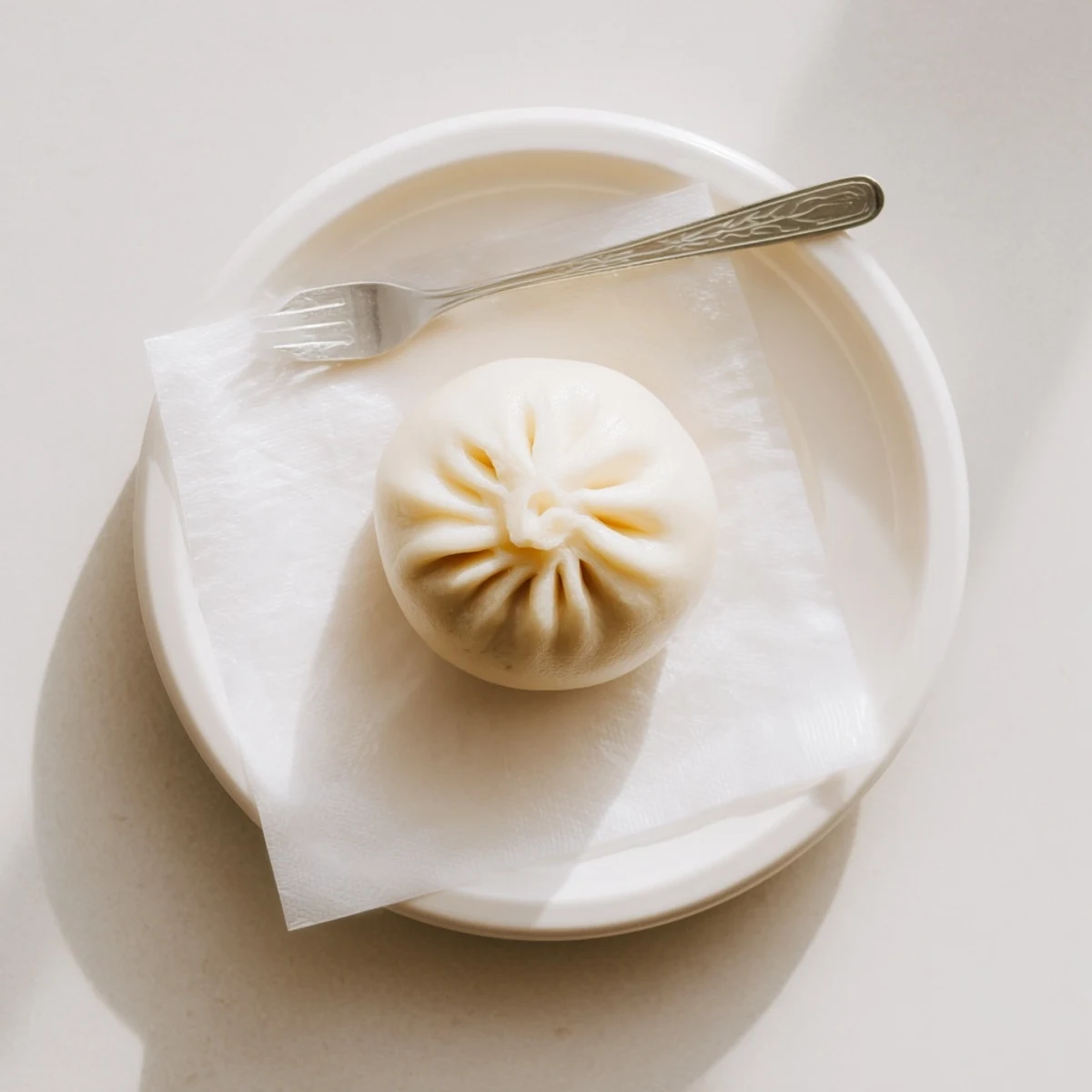
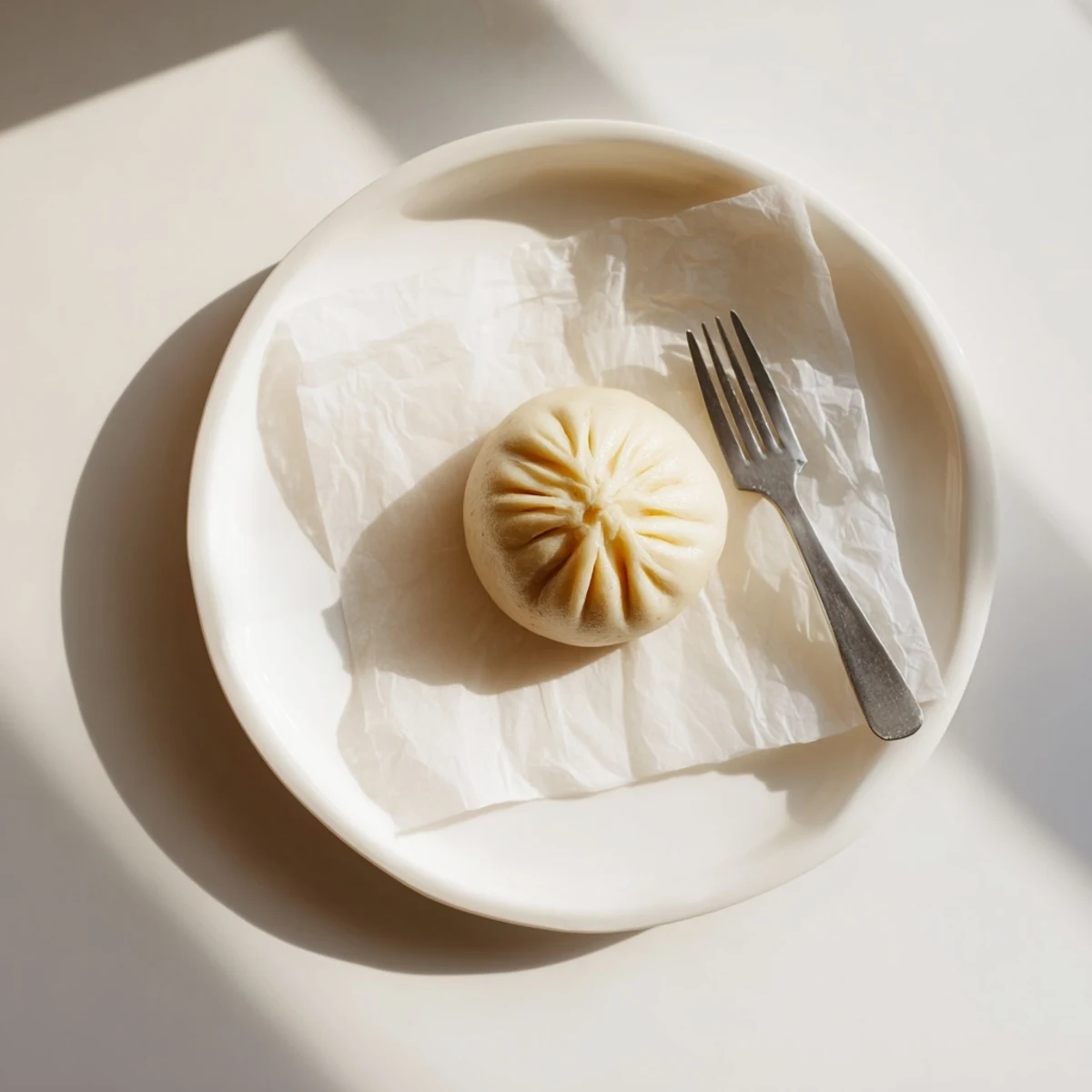
- Gather the edges of each dough disc around the filling and pinch them together at the top to seal completely. Place each finished bun on a small square of parchment paper to prevent sticking. Let them rest for about 15 minutes while your steamer comes to temperature.
- Steam to fluffy perfection:
- Arrange buns in your steamer with space between them for expansion. Steam over boiling water for 15 to 20 minutes until the dough is cooked through and springy to the touch. Serve warm while still soft and fluffy.
 Save
Save These buns have become my go-to comfort food on rainy weekends when I need something warm and satisfying. The steam filling the kitchen always brings back memories of my grandmother's patience and skill. Somehow food made this way just tastes better.
Freezing For Later
I always make a double batch and freeze the uncooked buns on a baking sheet until firm, then transfer them to freezer bags. When you are ready to eat, just steam them straight from frozen, adding about 5 extra minutes to the cooking time. This has saved me countless times when unexpected guests arrive or I just do not feel like cooking from scratch.
Getting That Perfect Shape
The trick to smooth, round buns is pinching the dough closed tightly at the top, then giving each sealed bun a quick gentle roll between your palms to smooth out any creases. If the dough feels too sticky and hard to work with, lightly oil your hands instead of using flour, which can create tough spots on the finished bun surface.
Serving Suggestions
While these buns are perfect on their own, I love serving them with pickled vegetables and sriracha mayo for dipping. The tang and heat cut through the richness beautifully. You can also split them in half and pan fry the cut sides until golden and crispy for a completely different texture experience.
- Make a quick dipping sauce by mixing equal parts sriracha and mayonnaise
- Pickled carrots and daikon add bright acidity that balances the rich filling
- Leftover buns reheat perfectly in the microwave for 30 seconds or a quick steam
 Save
Save There is something deeply satisfying about pulling a basket of freshly steamed buns from the steamer, each one puffed up and perfect. I hope this recipe brings warmth to your kitchen table the way it has to mine.
Recipe FAQs
- → What makes Banh Bao dough so fluffy?
-
The combination of instant yeast and baking powder creates exceptional lift and fluffiness. Kneading develops gluten structure while the one-hour rise allows the dough to double in size, resulting in that characteristic cloud-like texture Vietnamese buns are known for.
- → Can I make Banh Bao without a steamer?
-
You can improvise by setting a heatproof plate on a trivet or inverted bowl inside a large pot with a tight-fitting lid. Add water below, ensuring it doesn't touch the plate. Cover and steam as directed, checking water level periodically.
- → How do I store leftover Banh Bao?
-
Place cooled buns in an airtight container and refrigerate for up to 3 days. Reheat by steaming for 5-8 minutes until warm throughout. For longer storage, freeze uncooked buns on parchment paper, then transfer to freezer bags for up to 2 months.
- → What can I substitute for Chinese sausage?
-
If lap xuong isn't available, use sweet Portuguese chorizo, thinly sliced ham, or simply increase the ground pork. The sausage adds sweetness and depth, but the filling remains delicious with just well-seasoned pork and mushrooms.
- → Why add vinegar to steaming water?
-
A splash of vinegar in the steaming water helps prevent oxidation, keeping the buns snowy white rather than developing slight grayish tones from the steam. It's a traditional technique for maintaining that pristine, appetizing appearance.
- → How do I know when Banh Bao are fully cooked?
-
Steamed buns are done when the surface feels dry and springy to the touch, about 15-20 minutes. Insert a toothpick into the center—if it comes out clean without sticky dough clinging to it, they're ready. The buns should have doubled in size and feel light when lifted.